
Challenges Facing PROCEPT BioRobotics Corporation
ED
Editorial
Cashu Markets·5 min read
TL;DR
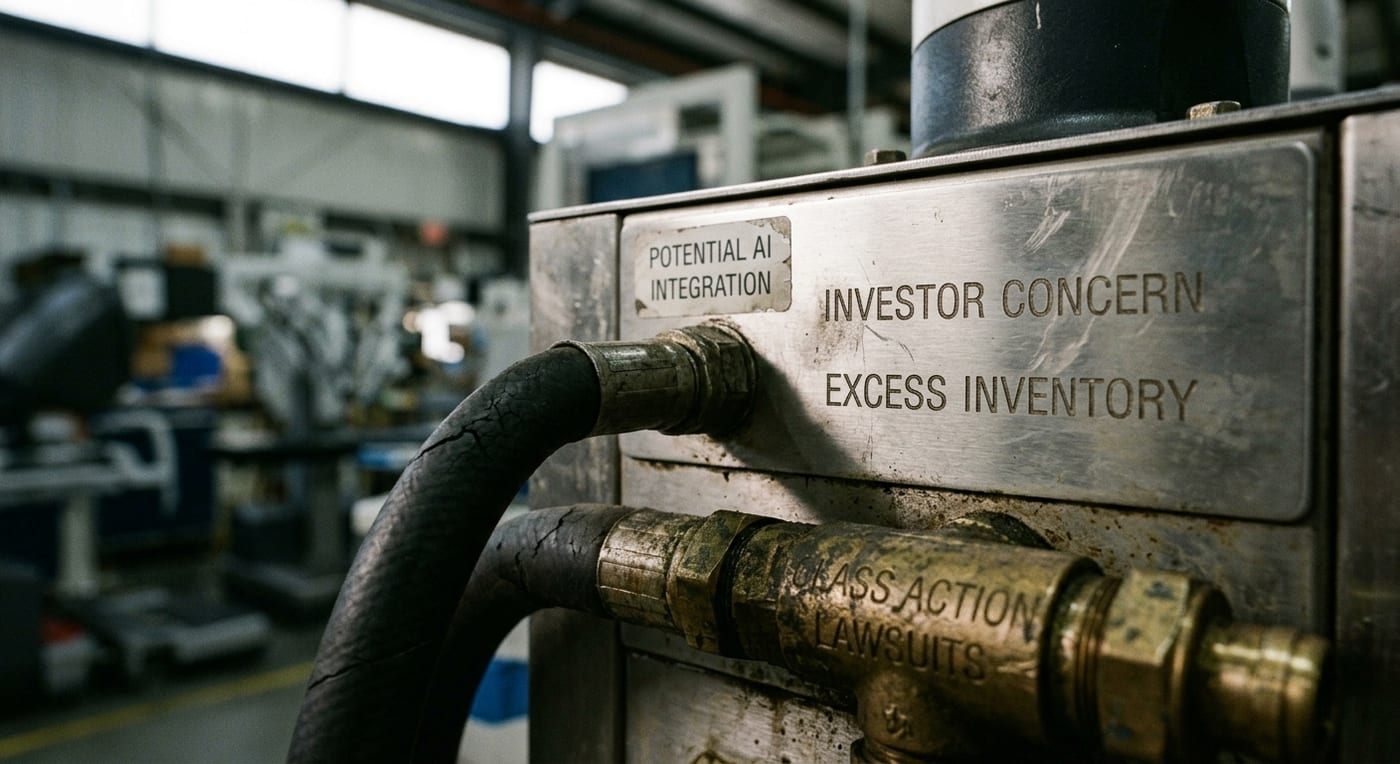
- PROCEPT facing class action lawsuits over sales practices.
- Excess inventory causing significant investor concern.
- Potential AI integration may aid operational efficiency.
PROCEPT BioRobotics Corporation PRCT is currently navigating a tumultuous period marked by significant legal challenges and operational setbacks that have profoundly impacted its market position and investor confidence. The company, known for its innovative medical technologies, particularly in treating enlarged prostates through its proprietary Aquablation therapy, is entangled in ongoing class action lawsuits and facing scrutiny over its sales practices. This article will explore the current state of PROCEPT BioRobotics, the challenges it faces, and its potential pathways to recovery.
Overview of Current Challenges
The downward spiral for PROCEPT began with revelations regarding the company's aggressive discounting strategies that seemingly inflated sales figures. This strategy ultimately led to a troubling excess inventory situation, creating significant tension with investors and consequently affecting stock prices. Recent class action lawsuits accuse PROCEPT of misleading shareholders by failing to adequately disclose the disconnect between its reported handpiece sales and the actual number of procedures carried out. As such, the company is facing intense scrutiny over its operational transparency.
In the lawsuit filed by the DJS Law Group, it was alleged that PROCEPT manipulated its financial data by utilizing aggressive discounting to improve sales appearances. This approach led to an alarming surplus of handpieces in inventory, exceeding over 10,000 units as reported in ongoing legal challenges. Such inventory levels contradict management's previous assurances and bring to light the ethical implications of their sales strategies. Investors, now acutely aware of the legal exposure, are understandably concerned about the impact these issues will have on future performance.
Legal Troubles: A Closer Look
The legal landscape pertaining to PROCEPT is indeed complex and fraught with implications for its viability. The multiple securities class action lawsuits currently against the company essentially revolve around claims that PROCEPT misled the market regarding its sales figures and inventory disclosures. The ongoing litigation has catalyzed investor skepticism, contributing to the company's plummeting stock performance. For example, revelations of north of 10,000 excess units in inventory have led to significant drops in stock value, highlighting the precarious balance the company must maintain between operational practices and investor confidence.
Given the gravity of these allegations, PROCEPT's management must work diligently to resolve these issues. The pressure to restore transparency and build back trust with investors is paramount, especially as the company aims to leverage innovation to bounce back from this tumultuous period.
Operational Strategy and Outlook
Looking forward, PROCEPT BioRobotics Corporation faces a critical juncture. Consistent efforts to revitalize operational efficiency are crucial. In this context, advancements in artificial intelligence may serve as a potential pathway for recovery. Embracing AI for inventory and demand management could facilitate better alignment between reported sales and actual procedure demands. Recent discussions around the integration of AI within medical technology present an opportunity for organizations like PROCEPT to rethink their operational strategies and potentially gain a competitive edge in a demanding marketplace.
However, any strategic moves made by PROCEPT must be executed with precision to avoid further damaging investor relations. The current environment is radically different from just a few quarters ago; thus, clarity and caution are imperative in their communications going forward. Continuous engagement with shareholders about operational strategies and performance metrics may be key to regaining their trust.
Investor Implications
As legal and operational challenges continue to impact PROCEPT's reputation, investor sentiment remains fragile. Shares of the company fell over 18% following the announcement of increased inventory levels, marking a significant decline tied directly to declining investor confidence amid class action lawsuits. The complexities of these cases only amplify the stakes for potential and current investors, as the litigation surrounding the company unfolds.
Investors are encouraged to stay informed as the litigation continues, particularly given the deadline of September 22, 2026, for participating in the ongoing class action against the company. For anyone who purchased shares between February 28, 2024, and February 25, 2026, knowing the implications of these legal processes will be essential in deciding the next steps regarding their investments in PROCEPT.
In light of these circumstances, and in order to secure long-term investor interests, the corporation must ensure that it communicates transparently about its operational capabilities and strategies moving forward. Long-term, innovation remains the key to survival in this competitive sector; however, it must be balanced with ethical operational practices to build the integrity necessary for a robust recovery.
Conclusion
In sum, PROCEPT BioRobotics is at a critical point, where the convergence of legal challenges and operational difficulties has led to heightened scrutiny from investors and market analysts alike. The integration of AI into their operations could offer avenues for improvement, but it is their commitment to transparency and ethical practices that will ultimately dictate their future success. Investors will be watching closely as the company navigates these turbulent waters, seeking to rebuild its reputation and capitalize on innovative technologies in the competitive landscape of medical technology. The same pressure is reflected in recent reporting on the issue, which helps explain why the company's pricing decisions remain under scrutiny.