
Chevron: Energy Giant Thrives Amid Market Dynamics
ED
Editorial
Cashu Markets·5 min read
TL;DR
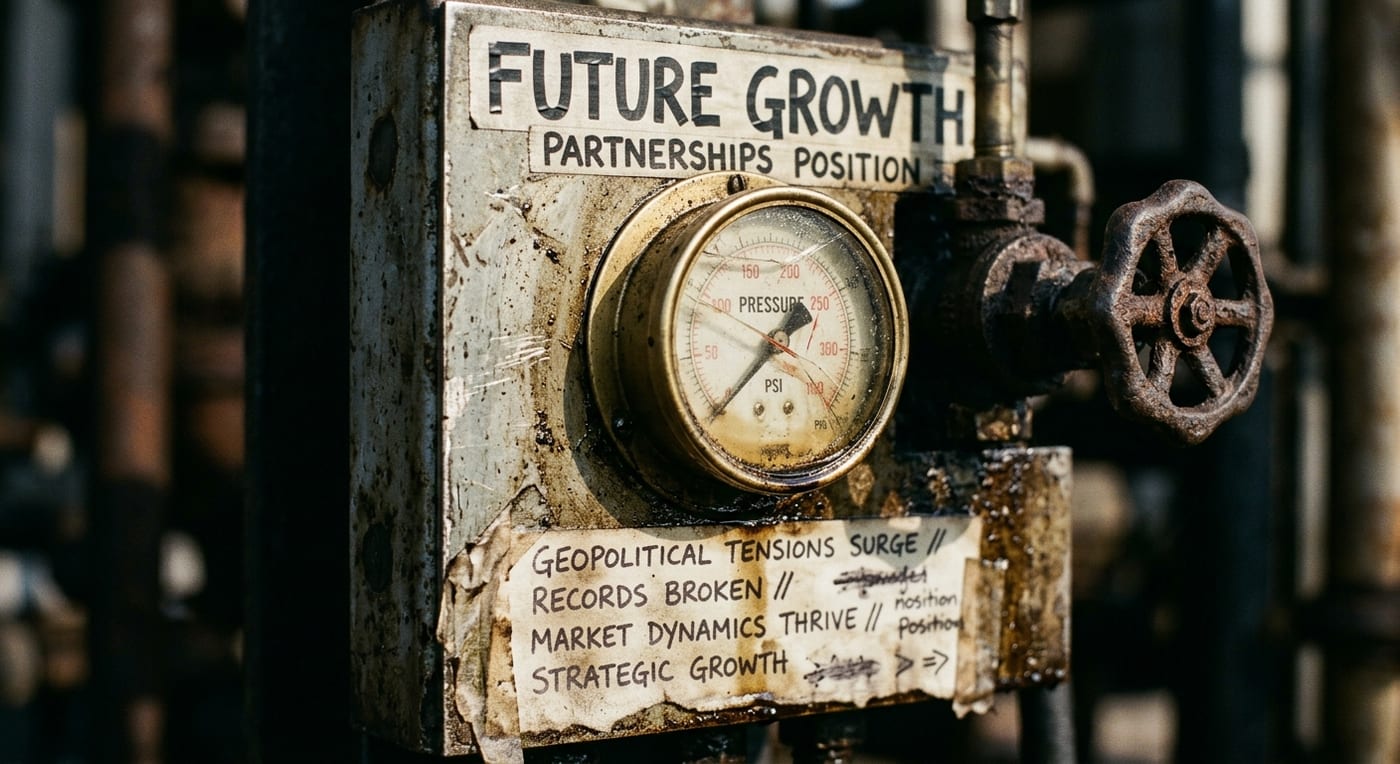
- Chevron reports record earnings and cash flow - Geopolitical tensions drive oil price surges - Strategic partnerships position Chevron for future growth
Chevron Corporation (CVX) is drawing attention as the latest developments come into focus. Chevron Corporation (CVX) has been navigating through a tumultuous energy landscape, and recent developments underscore its resilience and innovative strategies. In the second quarter of 2026, Chevron reported extraordinary earnings that not only shattered market expectations but also illuminated the company's strategic positioning within the oil and gas sector. As crude oil prices surged, driven by geopolitical tensions, Chevron's performance was a testament to its operational efficiency and robust market demand.
Remarkable Earnings and Cash Flow
Chevron's financial results revealed a net income of $12.1 billion, showcasing an impressive 446% increase compared to the previous quarter and a staggering 385% year-over-year growth. The adjusted earnings of $6.05 per share exceeded analysts' predictions, reinforcing investor confidence in the company's profitability. Notably, Chevron's cash flow was even more remarkable, with $22.6 billion generated from operations. This cash flow surge allowed the company to not only comfortably cover its $3.5 billion dividend payout but also to engage in significant stock buybacks and debt reduction efforts.
The strong cash generation was propelled by record U.S. oil and gas production alongside high refinery throughput, with Brent crude averaging $104 per barrel during the quarter. Such conditions provided Chevron with a competitive edge as it continues to diversify and adapt its operations.
Geopolitical Factors Influencing Performance
Amidst Chevron's remarkable earnings, the backdrop of rising oil prices due to geopolitical uncertainties notably influenced its results. The ongoing conflicts in the Middle East, particularly the situation surrounding Iran, led to a 27% increase in U.S. crude oil futures. Consequently, Chevron's production soared to an all-time high of approximately 2 million barrels per day, contributing to its enhanced profitability. Similar to its industry peer, ExxonMobil, which reported a doubling of profits in the same timeframe, Chevron's benefits from the supply disruptions underscore its integral role in the global energy ecosystem.
Strategic Partnerships in the Face of Change
Chevron's innovative strategies extend beyond its core oil and gas operations, particularly evident in its collaborative efforts with Microsoft. The long-term agreement between Chevron and Microsoft aims to supply natural gas for Project Kilby, a major data center development in Texas. This strategic initiative represents Chevron's commitment to addressing the energy needs of burgeoning AI and technology sectors while maintaining a balance with sustainability goals.
This alignment with technological growth is not merely a business venture; it signifies a broader shift in energy consumption patterns. The partnership illustrates Chevron's adaptability in transitioning towards innovative energy solutions to meet the demands of modern data infrastructures. Such efforts are crucial as the company seeks to solidify its position as a leading supplier in the energy market while managing the challenges posed by fluctuating oil prices and increasing demand from the digital economy.
Moreover, as discussed in a previous article, Chevron's collaboration with Microsoft signifies more than just a business arrangement; it reflects the company’s focus on sustainability and technological integration amid rising demand for natural gas solutions. The evolving energy landscape requires an intricate balance—a challenge that Chevron is adeptly meeting through strategic alliances. Read more here.
The California Energy Landscape and Its Implications
Amid these developments, Chevron faces a unique set of challenges within the California energy environment. Rising gas prices, currently averaging $5.58 per gallon, significantly impact the company’s operations and consumer sentiment. Lawmakers in California are pressing for energy policies that maintain economic viability while pursuing environmental responsibility. Such legislative pressures could necessitate adaptations to Chevron’s operational strategies within the state, as they navigate the delicate dynamics between affordability and sustainability.
With the attention on California's impending gas tax increase—expected to raise the excise tax on gasoline—a pathway emerges for Chevron to advocate for policies that balance corporate interests with consumer affordability. Energy legislation debates often revolve around these themes, with companies like Chevron positioned at the intersection of economic output and regulatory scrutiny. If consumers continue to feel the weight of elevated fuel costs, this could influence public and political sentiment towards energy policies, adding more complexity to Chevron’s operational landscape.
Future Outlook: Sustaining Growth and Demand
As Chevron continues to showcase resilience, attention turns to its long-term strategies and market adaptability. The company’s optimistic outlook centers on sustained demand for oil and gas, alongside its commitment to innovation and diversification. Chevron has maintained a remarkable dividend track record, with increases expected as cash flows remain robust amid elevated oil prices.
While navigating both burgeoning demand and increased operational pressures, Chevron's strategic maneuvers—ranging from partnerships to energy supply agreements—position it favorably within a competitive marketplace. The emphasis on gas supply to meet the needs of various sectors, particularly technology, embodies a broader recognition of the shifts occurring within global energy dynamics.
As Chevron forges ahead, the interplay between strategic partnerships, market conditions, and regulatory environments will continue to shape its path. Investors and analysts alike will be watching closely, drawn by the promise of innovation and sustainability that Chevron exemplifies in its approach to the energy sector. The same pressure is reflected in recent reporting on the issue, which helps explain why the company's pricing decisions remain under scrutiny.