
CompoSecure's Turbulent Path Forward
ED
Editorial
Cashu Markets·5 min read
TL;DR
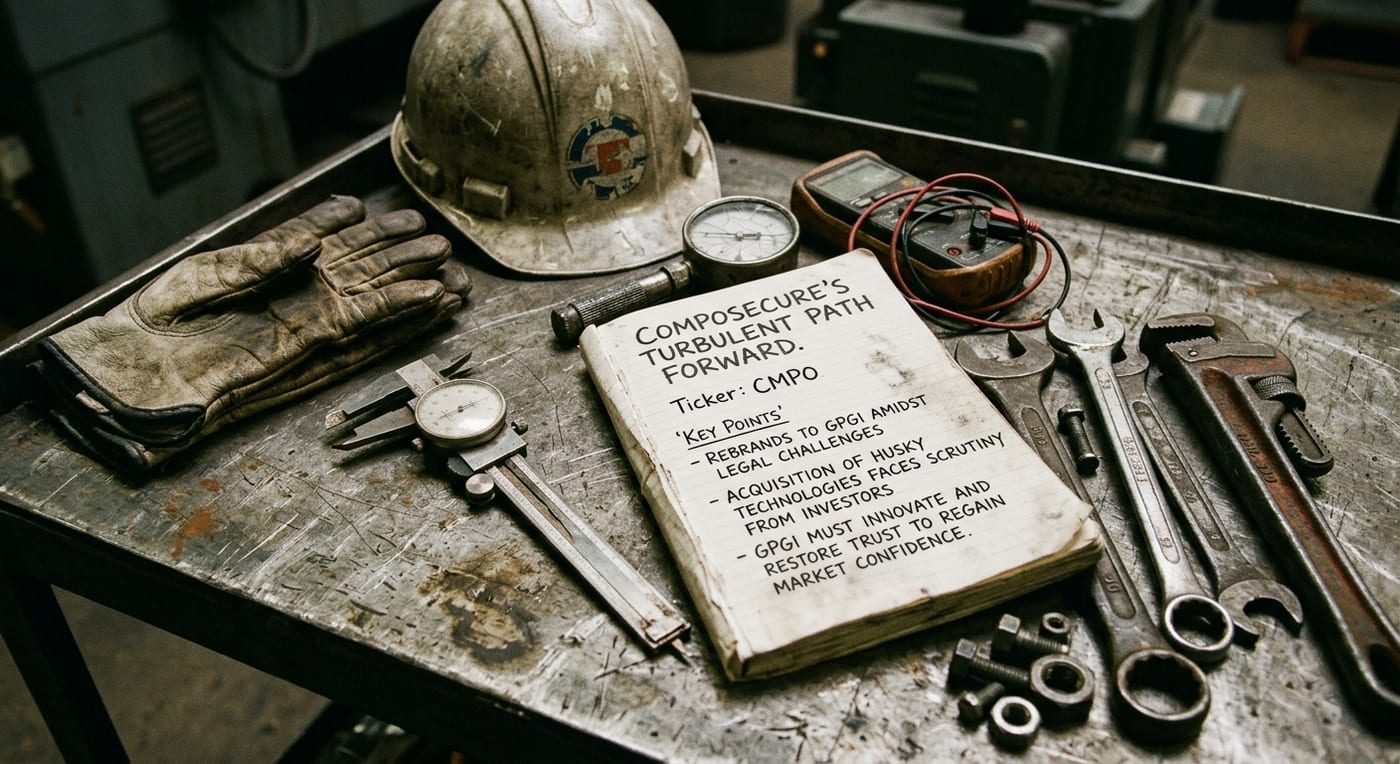
- CompoSecure rebrands to GPGI amidst legal challenges.
- Acquisition of Husky Technologies faces scrutiny from investors.
- GPGI must innovate and restore trust to regain market confidence.
CompoSecure, Inc. (CMPO) is currently navigating a tumultuous period marked by significant legal challenges and investor scrutiny following its recent transformation into GPGI, Inc. This shift, intended to broaden the company's reach in the fintech landscape, has instead spiraled into controversy related to the acquisition of Husky Technologies. Notably, the backlash from investors regarding the acquisition—seen by some as fundamentally flawed—has raised alarms about the company's operational integrity and future viability. As GPGI attempts to stabilize amid these growing challenges, it faces an urgent need to restore trust and redefine its investor strategy. This article explores the ramifications of current events, the company's adaptation strategies, and potential future trajectories in this uncertain environment.
Rebranding and the Husky Acquisition
In January 2026, CompoSecure underwent a strategic rebranding to GPGI, Inc. This move was portrayed as a bold step toward enhancing the company's footprint in the fintech sector, which has seen exciting growth prospects. The centerpiece of this transformation was the announcement of the acquisition of Husky Technologies, aimed to bolster GPGI’s operational capabilities. However, the acquisition's reception has been lukewarm at best, with notable skepticism from the investment community regarding the real value and implications of this deal.
As outlined in earlier reports, the acquisition of Husky was supposed to position GPGI as a formidable player in the market. Yet, investor concerns about the inflated valuation of Husky—highlighted by allegations that GPGI’s management may have overstated its financial projections—led to legal scrutiny. These allegations have taken a toll on GPGI’s market confidence, compelling potential investors to reassess their positions and the expected growth trajectory of the entity.
Legal Challenges and Investor Confidence
The legal landscape surrounding GPGI has deepened with multiple class-action lawsuits filed by concerned shareholders. These lawsuits contend that the company misrepresented the business landscape of Husky prior to the acquisition. Key assertions from these legal actions include claims that GPGI failed to disclose crucial information that could have significantly affected investor decisions. More specifically, it's alleged that the rationale for the Husky acquisition was greatly misrepresented, triggering alarms over the company’s strategic intent and financial health.
This sentiment was echoed in multiple articles, including a detailed examination emphasizing how GPGI is currently facing significant hurdles tied to its operational strategy and investor confidence. The developments have become critical, not only for current investors but also for the company’s reputation in the broader market. Stakeholders are keenly watching to see how GPGI will navigate these tumultuous waters, as any tarnish in reputation could delay its objectives of establishing a strong foothold in the fintech arena.
The Path Forward: Innovation vs. Scrutiny
For GPGI, the road ahead necessitates a dual approach of innovation alongside transparency to regain trust. Given the competitive nature of the fintech landscape, where innovation can be both a differentiator and a survival mechanism, the need for GPGI to introduce new solutions that resonate with market demands is essential. Going forward, GPGI must strike a balance between leveraging existing technologies and innovating new products that cater to evolving consumer preferences.
Moreover, a focus on transparency, especially in the light of accusations related to the Husky acquisition, will be crucial in shaping investor outlook and market perception. Analysts suggest that GPGI must clearly communicate its intentions and performance metrics to rebuild investor confidence. The emphasis on accountability may allow GPGI to weather the backlash and turn a corner toward stability and growth.
Strategic Measures: Restoring Trust
GPGI's leadership must engage actively with its investors, clearly outlining corrective measures being taken in response to the ongoing legal challenges. This may include revisiting their communications strategy to ensure stakeholders are adequately informed about operational insights and future strategies. Such measures could encompass regular updates on the company’s progress related to innovation and the management of the Husky acquisition fallout, as well as any legal developments.
Furthermore, the company should consider revising its operational framework to enhance compliance and governance practices. This pivot could focus on reinforcing investor relations through more frequent dialogues about company direction, key developments, and responses to any criticisms raised.
In tandem with these initiatives, GPGI can harness technological advancements to deliver new, value-added services that could differentiate it from competitors, thereby expanding its market share. If executed effectively, these measures could position GPGI on a path toward recovery and create new value for investors.
Conclusion
The challenges facing CompoSecure, now rebranded as GPGI, are emblematic of the difficulties companies experience during transformative periods. While the acquisition of Husky Technologies was intended to facilitate GPGI’s aspirations in the fintech space, it has instead become a point of contention that could either make or break investor confidence. As GPGI moves forward, the tasks of restoring trust, innovating responsibly, and remediating legal concerns will be crucial for its longevity and success. Stakeholders remain observant, and their verdicts will ultimately determine the trajectory of GPGI in the unpredictable finance landscape. The same pressure is reflected in recent reporting on the issue, which helps explain why the company's pricing decisions remain under scrutiny.