
Cracker Barrel's Strategic Shift and Financial Resilience
ED
Editorial
Cashu Markets·4 min read
TL;DR
- Cracker Barrel shifts back to traditional branding to reconnect with loyal customers.
- The sale of Maple Street Biscuit Company aids in debt reduction and operational focus.
- Promotional initiatives enhance customer engagement during critical summer travel season.
Cracker Barrel Old Country Store (CBRL) is navigating a complex landscape as it redefines its brand strategy in response to evolving consumer expectations. Recent initiatives depict a significant pivot back to the company's traditional roots, strengthening its relationship with long-time customers while aiming to stabilize its financial performance amidst external pressures. The transition isn’t just superficial; it leverages valuable lessons learned during challenging periods, underscored by a commitment to enhance profitability and investor confidence.
Reassessing Brand Strategy
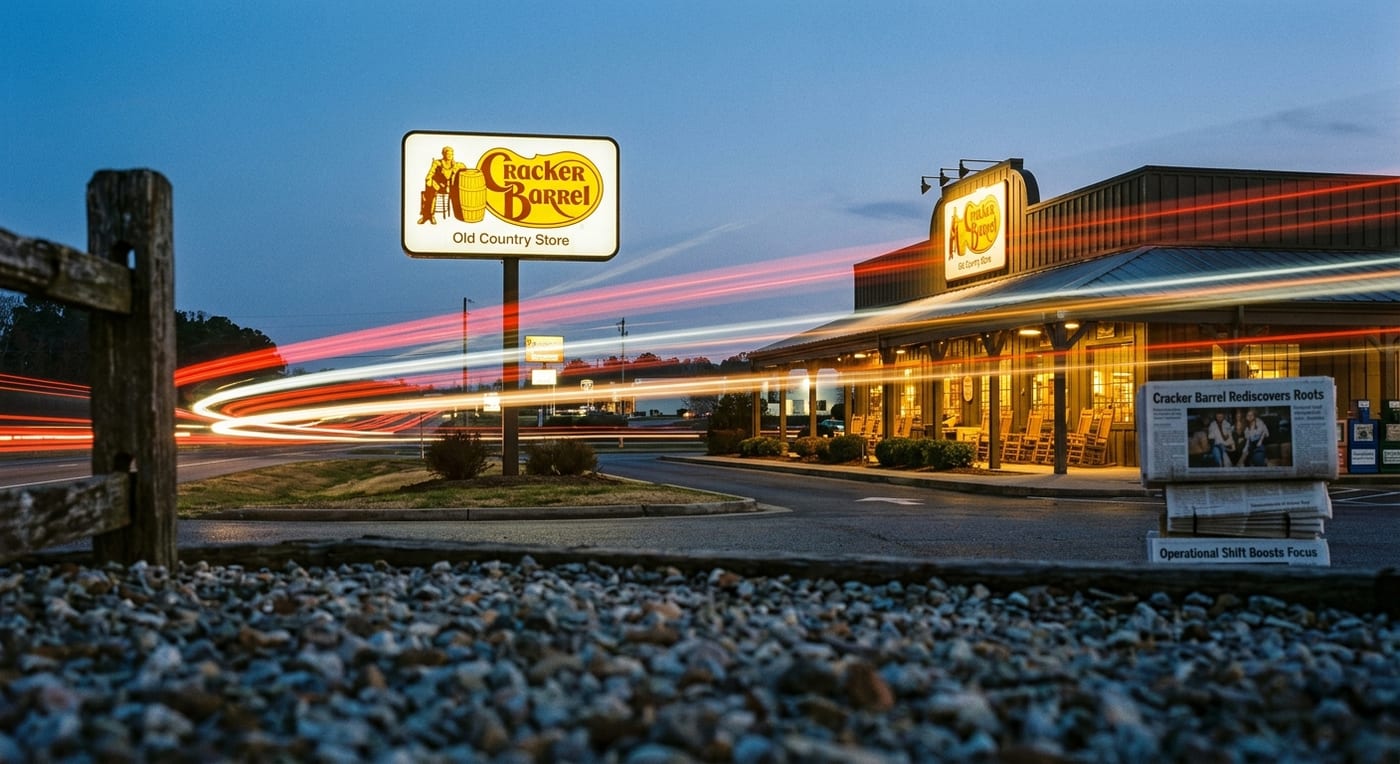
In the wake of negative feedback regarding its recent modernization efforts, Cracker Barrel is embracing a more nostalgic approach that resonates with its core customer base. The company initially sought to attract a younger demographic with updated branding, including a new logo and restaurant redesigns, which backfired significantly. CEO Julie Felss Masino acknowledged that the alterations failed to connect with loyal patrons, sparking a reassessment of the company's branding strategy. As a result, Cracker Barrel has decided to step back from many of these changes, striving to reaffirm its identity as a cherished family dining destination.
This pivot has been positively received by the public, as seen in reports of increased customer traffic and a nearly 37% rise in stock value post-recalibration. The chain is re-emphasizing classic elements that have long characterized its charm, aiming to deepen customer loyalty while simultaneously addressing profitability pressures. The renewed focus on traditional dining experiences underscores the importance of balancing modern trends with established brand identities.
Financial Maneuvers for Future Growth
As part of its financial strategy, Cracker Barrel is also taking decisive steps to reduce debt and optimize its operations. Recently, the company announced the divestment of its Maple Street Biscuit Company, selling the brand and its 35 locations to Biscuit Belly LLC and closing the remaining 16 restaurants. This decision follows an ongoing effort to streamline operations and concentrate resources on the primary Cracker Barrel brand, which is expected to enhance profit margin performance.
These financial maneuvers included a lucrative sale-leaseback agreement involving 26 company-owned properties, generating approximately $77 million in proceeds. This strategy exemplifies Masino’s commitment to managing the business with a focus on shareholder value creation, allowing for a more strategic allocation of resources while supporting operational stability.
The decision to divest from Maple Street is expected to improve adjusted EBITDA and reflects a shift to sharpen focus on core operations as Cracker Barrel confronts market dynamics head-on. Although Maple Street accounted for less than 2% of the company’s annual revenue, exiting this segment is seen as a critical move to enhance profitability beginning in fiscal 2027.
Customer Engagement and Experience Revitalization
Understanding the pivotal role customer experience plays, Cracker Barrel launched promotional initiatives to further engage patrons, particularly during the summer months. The 'Fuel Your Summer Road Trip' sweepstakes, which offers $250,000 in food and fuel giveaways, is tailored to enhance customer engagement and promote the restaurant as an essential stop for summer travelers. This initiative not only incentivizes repeat visits but also taps into the American tradition of summer road tripping—a central theme for the brand.
The program encourages Cracker Barrel Rewards members to earn entries through qualifying purchases, thereby enhancing customer loyalty and ensuring continued foot traffic. With over 660 locations across 43 states, such initiatives showcase the brand's commitment to reconnecting with its audience and reinforcing its reputation as a go-to dining destination.
Key Takeaways
The company's recent strategies illustrate a multifaceted approach that fuses operational efficiency with brand integrity. Cracker Barrel’s overall strategy to return to its traditional offerings while optimizing financial performance indicates a prudent balance of innovation and nostalgia that reflects in improved brand loyalty and market presence. As reported in other analyses, this focus on customer sentiment and core offerings is essential to capturing a larger share of a competitive dining landscape while navigating broader economic challenges.
Cracker Barrel's recent shifts, from altering its branding strategy to selling off underperforming segments, represent a critical recalibration aimed at sustaining long-term viability. While challenges lie ahead, the company appears to be well-positioned to enhance its profitability and customer engagement through its renewed focus on its heritage and core values, effectively threading nostalgia through its operational and financial decision-making processes. The same pressure is reflected in recent reporting on the issue, which helps explain why the company's pricing decisions remain under scrutiny.