
Delta Air Lines: Navigating Challenges and Opportunities
ED
Editorial
Cashu Markets·4 min read
TL;DR
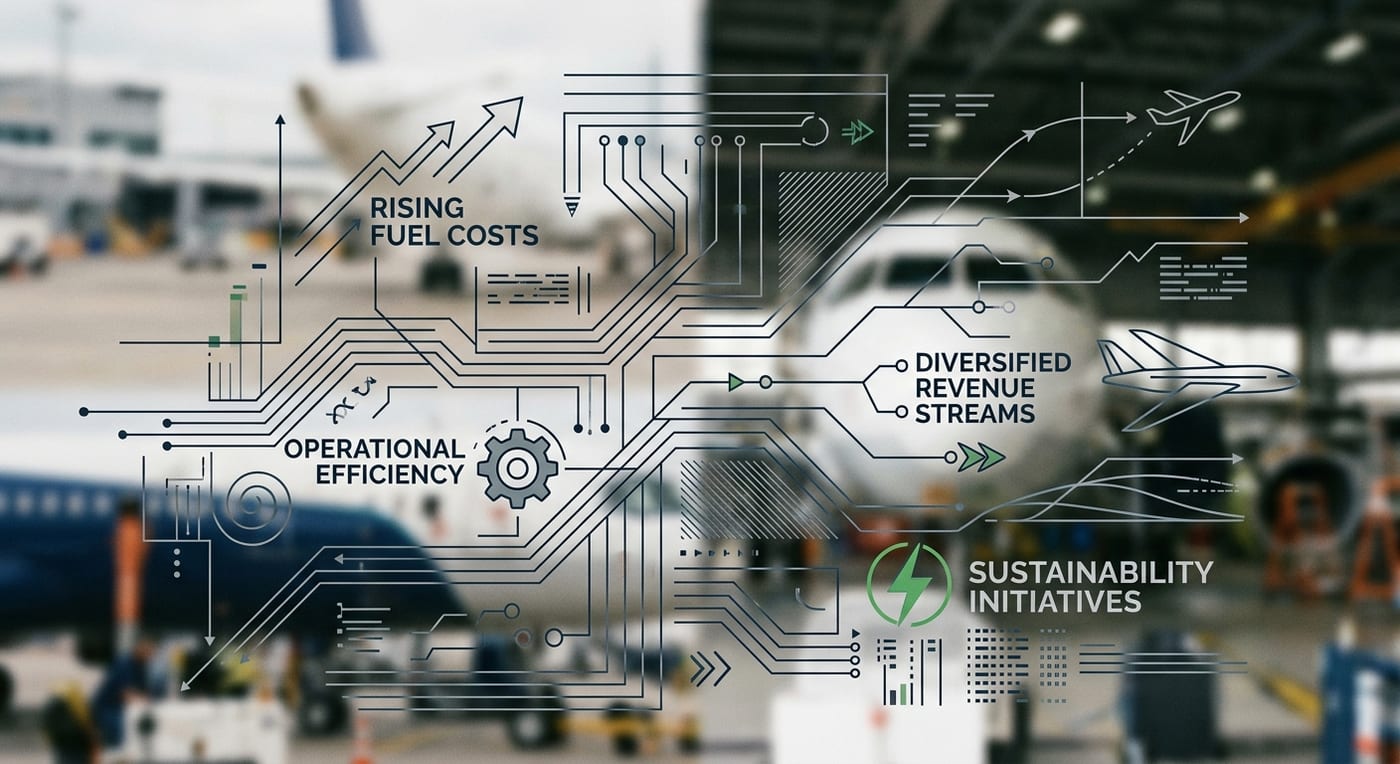
- Delta Air Lines navigates rising fuel costs and competitive challenges.
- Strategic adjustments enhance financial resilience and operational efficiency.
- Sustainability initiatives and diversified revenue streams fortify Delta's market position.
Delta Air Lines, Inc. (DAL) is drawing attention as the latest developments come into focus. Delta Air Lines, Inc. (DAL) is positioning itself to thrive amidst the complexities of the airline industry, despite facing rising fuel costs and competitive challenges. The company's strategic adjustments over recent quarters reflect a commitment to financial resilience, operational efficiency, and enhancing customer experience. As airlines globally grapple with fluctuating demands and economic pressures, Delta's responses illustrate its proactive approach in maintaining profitability and market relevance. That backdrop echoes earlier coverage of the issue, especially around how pricing, strategy, and demand feed into the current story.
Strategic Emphasis on Pricing Power
Delta Air Lines is experiencing robust demand, which has enabled it to maintain high airfare levels, a factor that both executive leadership and analysts believe will persist. CEO Ed Bastian emphasized that Delta is successfully passing on increased fuel costs to customers, suggesting sustainable pricing power even as oil prices retract from record highs. In a recent interview, Bastian conveyed confidence that fares would remain elevated, attributing this longevity to a disciplined airline industry and Delta's commitment to adjusting capacity in line with demand dynamics. This adaptability is crucial, especially as the airline reported a significant 27% increase in airfare over the year prior, showcasing Delta's ability to respond to inflation within the travel sector.
Enhancing Operational Capacity amidst Fuel Challenges
Delta is acutely aware of the pressures that rising fuel costs impose on its operations and pricing framework. In another related discussion, the company's strategies further reflect this understanding, as outlined by Bastian, who highlighted the need for increased flight supply to stabilize or potentially lower ticket prices. This strategy aligns with Delta’s long-term objectives to enhance operational capacity while simultaneously navigating the evolving landscape of fuel economics. The introduction of initiatives to invest in aviation infrastructure is part of this drive, as Delta seeks to alleviate air traffic congestion and improve service reliability, vital for attracting and retaining customers. As Delta moves forward, operational efficiency remains crucial in offsetting the persistent challenge posed by escalating energy prices.
Differentiated Revenue Streams
In its pursuit of a diversified revenue base, Delta reported an increase in various high-margin revenue streams, accounting for 61% of total revenue. Enhanced demand for premium cabin tickets, which rose significantly, underscores a strategic focus on catering to higher-income customers who are less affected by economic fluctuations. The airline's Group of premium products, including Delta Comfort and Delta Premium Select, have driven corporate travel sales exceeding 25% growth. With the introduction of new fare types, Delta aims to expand its market reach by offering more flexible pricing options for premium cabins, thus appealing to a broader spectrum of travelers. This initiative, particularly the introduction of a basic tier for business class, illustrates Delta's adaptable strategy to attract both price-sensitive customers and retain traditional business travelers. The firm is responding strategically amidst competitive pressures to unbundle services, a trend observed throughout the industry.
Sustainability Initiatives and Future Outlook
Delta’s pursuit of sustainability is another pillar of its business strategy. The airline is making noteworthy advancements in its sustainability journey, notably through the installation of Vortex Control Technologies (VCT) on its aircraft to improve fuel efficiency and lower emissions. This initiative aligns with Delta's goal to achieve net-zero carbon emissions by 2030, showcasing a commitment to technological innovation and environmental responsibility. Such efforts not only enhance operational efficiency but also resonate with increasing consumer demand for environmentally friendly travel options.
As Delta moves forward with its planning, the solid financial outlook remains optimistic. Anticipated earnings per share for the upcoming third quarter are projected between $2.00 and $2.50, affirming Delta’s guidance for annual earnings growth of between $6.50 and $7.50 per share. This positioning is bolstered by broad demand across various sectors, including strong performance in corporate travel, further illustrating the resilience of Delta's business model in a fluctuating economic landscape.
Conclusion: Positioning Delta for Success
Through strategic pricing, operational efficiency, and a keen emphasis on sustainability, Delta Air Lines is navigating its future with a focus on adaptability in a volatile marketplace. The ongoing expansion of its international routes, combined with firm efforts to enhance the passenger experience, showcases Delta's dedication to remaining a leader in the aviation industry. With a robust financial foundation and a diversified revenue model, it stands ready to meet challenges head-on while capitalizing on emerging opportunities, serving as a beacon of resilience in the highly competitive airline sector.