
Delta Air Lines Strategizes to Combat Rising Fuel Costs and Improve Operational Capacity
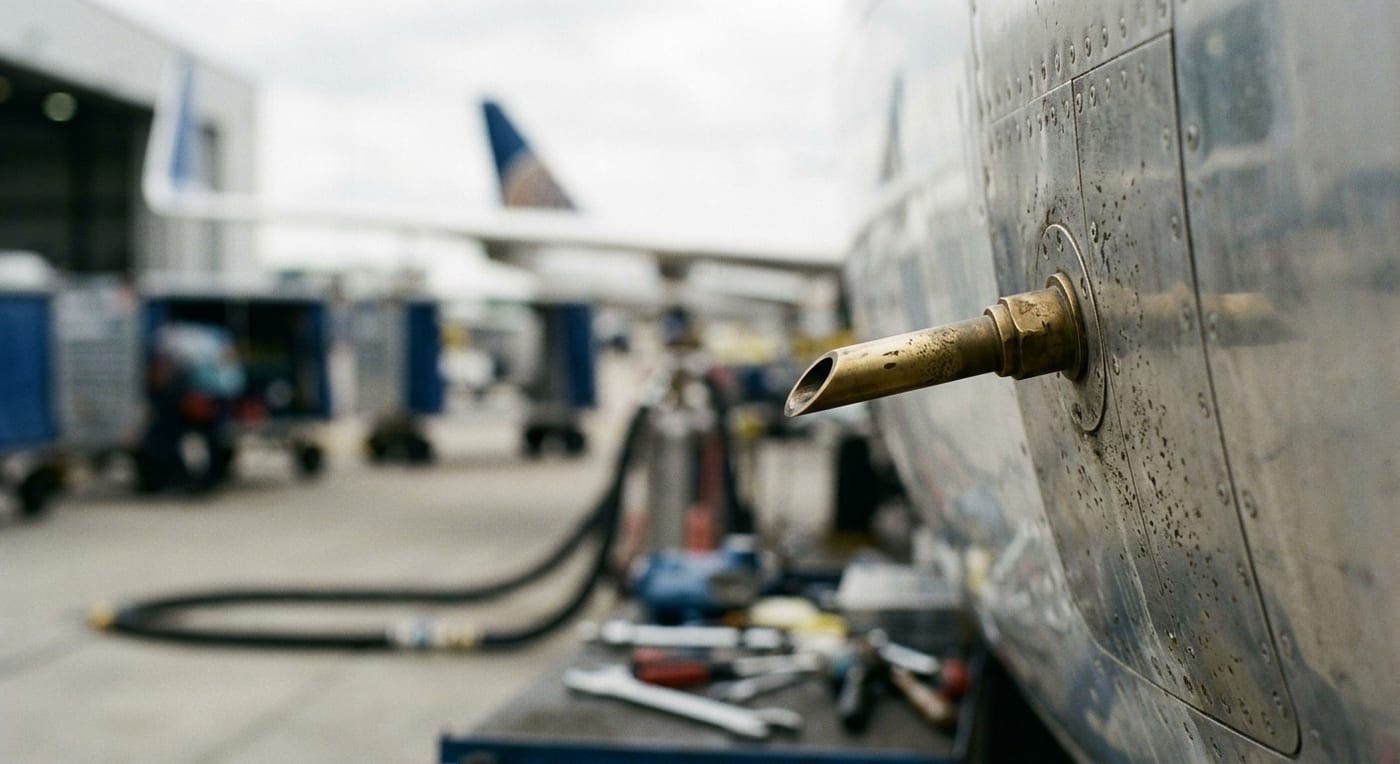
- Delta Air Lines is exploring strategies to counteract rising fuel costs and improve operational capacity.
- CEO Ed Bastian emphasizes that increased flight supply could stabilize or lower ticket prices amid rising costs.
- Delta advocates for investments in aviation infrastructure to alleviate air traffic congestion and enhance operational efficiency.
Delta Air Lines (DAL) is actively addressing the evolving challenges of the airline industry as CEO Ed Bastian outlines potential strategies to mitigate rising fuel costs and enhance operational capacity. In a recent interview on "Mornings with Maria," Bastian emphasizes how increased energy prices, driven by geopolitical tensions, prompt ticket price surges of 10 to 15%. Despite the financial strain from these rising costs—amounting to a $2 billion blow for Delta—Bastian remains optimistic about the future of air travel pricing. He voices that prices could stabilize or decrease with an increase in flight supply, asserting that improved capacity could balance the current supply-demand dynamics.
Addressing Capacity and Congestion in Aviation
Bastian articulates that the congestion within the air traffic control system is a significant barrier to expanding Delta's capacity, which is key to mitigating ticket price inflation. He advocates for investment in aviation infrastructure to ease existing bottlenecks, suggesting that such efforts have already demonstrated promise over the past year and a half. The CEO purports that by addressing these operational inefficiencies, the airline could eventually increase its flight frequency, offering more seats in the market and thus relieving upward pressure on ticket prices.
Geopolitical Impacts on Air Travel and Pricing
Additionally, Bastian remarks on the potential for geopolitical developments to bring stabilization to market conditions. As tensions ease and commercial traffic resumes through critical waterways, such as the Strait of Hormuz, Delta's operational costs may also be positively impacted. He underscores the necessity of effective government policies and deregulation to foster a more competitive pricing landscape, ultimately benefiting consumers. Amid these challenges, Delta remains committed to navigating the complexities of the aviation sector while positioning itself for future growth.
Safety and Operational Efficiency in Focus
In a related safety context, recent aviation incidents, including a near-collision at Boston Logan International Airport, highlight the pressing need for stringent air traffic management protocols. These occurrences remind the industry of the crucial balance required between operational efficiency and safety measures.
The airline industry, as exemplified by Delta Air Lines, faces ongoing pressures from fluctuating fuel prices, necessitating a strategic response to manage operational costs and service offerings. As Delta continues to adapt, the need for enhanced infrastructure and regulatory support remains paramount to ensure it meets both consumer demand and safety standards.
Related Cashu News

UPS Invests $48 Million to Enhance Global Healthcare Logistics with Temperature-Controlled Facilities
United Parcel Service (Ticker: UPS) is making a significant leap in enhancing its healthcare logistics segment by investing $48 million in the development of 27 temperature-controlled facilities globa…

American Airlines Partners with Starlink to Enhance In-Flight Connectivity and Customer Experience
American Airlines Group (Ticker: AAL) is set to elevate the passenger experience significantly with its upcoming partnership with SpaceX's Starlink. As the demand for in-flight connectivity continues…

ASUR Proposes Internalization to Enhance Efficiency and Shareholder Returns with New Capital Plans
Grupo Aeroportuario Del Sureste S.A. (Ticker: ASR) undertakes critical initiatives to enhance operational efficiency and bolster shareholder returns. Internalization of Services: A Strategic Move In a…

Avis Budget Group Resolves Legal Dispute with $650 Million Settlement, Strengthening Financial Position
Avis Budget Group (Ticker: CAR) secures a notable $650 million cash settlement with hedge fund Pentwater Capital Management, resolving a lingering dispute related to short-swing profits. This developm…