
Disney's Autopia Ride Faces Environmental Compliance Challenges Amidst Transition to Electric Engines
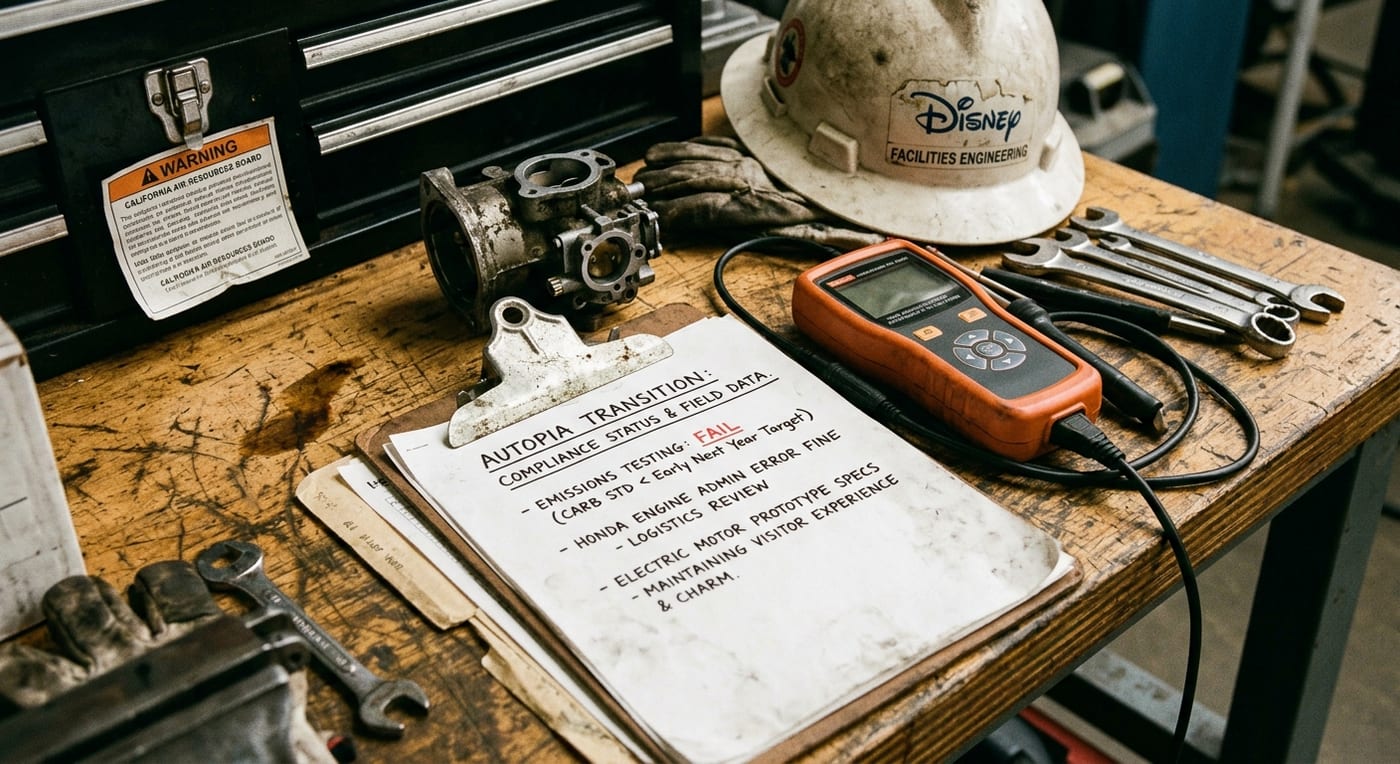
- Disney must transition the Autopia ride to cleaner engines by early next year to meet California's emissions standards.
- An administrative error by Honda resulted in a fine for Disneyland, complicating the ride's modernization timeline.
- Disney aims to balance sustainability with visitor engagement, maintaining Autopia's charm while adopting eco-friendly technologies.
Disney faces significant challenges as it navigates environmental regulations impacting one of its iconic theme park attractions. The Autopia ride at Disneyland, which has been thrilling visitors since its inception in 1955, is required to transition from gas-powered engines to cleaner alternatives by early next year. This shift is in compliance with California's stringent emissions standards, which take full effect by February 2027. Autopia, the last remaining attraction in the Tomorrowland section of the park, has been an enduring symbol of Disneyland, offering visitors a nostalgic driving experience through scenic highways. However, the timeline for its transformation has become complicated due to an administrative error by Honda, the ride's sponsor, which failed to certify the necessary engines in time, leading to a violation from the California Air Resources Board and a subsequent fine of $56,250 imposed on Disneyland.
Urgent Transition Needed for Autopia Ride
As Disney works to comply with the new environmental requirements, it faces the urgency to not only modernize the Autopia ride but also to ensure that it continues to attract guests. The ride's future now hinges on its ability to transition to electric engines that meet regulatory standards, highlighting the broader challenges theme parks face in balancing visitor engagement with legislative obligations. Disneyland's commitment to sustainability underscores its role as a leader in the industry, but the pressure to innovate while preserving the charm of its attractions poses a significant test for the company.
Balancing Legacy and Sustainability
The emphasis on cleaner technologies reflects a wider trend within the theme park industry towards sustainability, as companies initiate steps to reduce their carbon footprints and meet evolving consumer expectations regarding environmental stewardship. This adaptation is especially crucial in California, known for its robust environmental policies. Disney aims to preserve the essence of the Autopia ride while transitioning to a more eco-friendly operation, demonstrating its commitment to both its legacy and its responsibilities as an entertainment provider.
While the challenges are significant, they also present an opportunity for Disney to lead by example, paving the way for future attractions that honor both innovation and environmental integrity.
Related Cashu News

Live Nation Partners with Lowe's for Innovative Experiential Marketing Initiative to Boost Customer Engagement
Live Nation Entertainment (Ticker: LYV) forges a groundbreaking partnership with Lowe's, transforming customer engagement through experiential marketing strategies. This unique collaboration introduce…

Walt Disney Co Settles $50 Million Antitrust Lawsuit Over Streaming Pricing Practices
Walt Disney Co (The) is poised to pay a $50 million settlement in relation to a class action lawsuit alleging antitrust violations in its streaming service pricing. This settlement stems from claims m…

Meta Platforms Enters Cloud Market to Diversify Revenue and Alleviate Investor Concerns
Meta Platforms (Ticker: META) announces a significant move to enter the cloud infrastructure market by offering excess AI computing power and models to external customers. This strategic pivot aims to…

Netflix Enhances Advertising Strategy with AI Partnership to Boost Engagement and Revenue
Netflix (Ticker: NFLX) continues to sharpen its focus on enhancing advertising through the strategic integration of artificial intelligence (AI). In recent news, the company announces a partnership wi…