
Embecta Corp. Faces Serious Challenges
ED
Editorial
Cashu Markets·5 min read
TL;DR
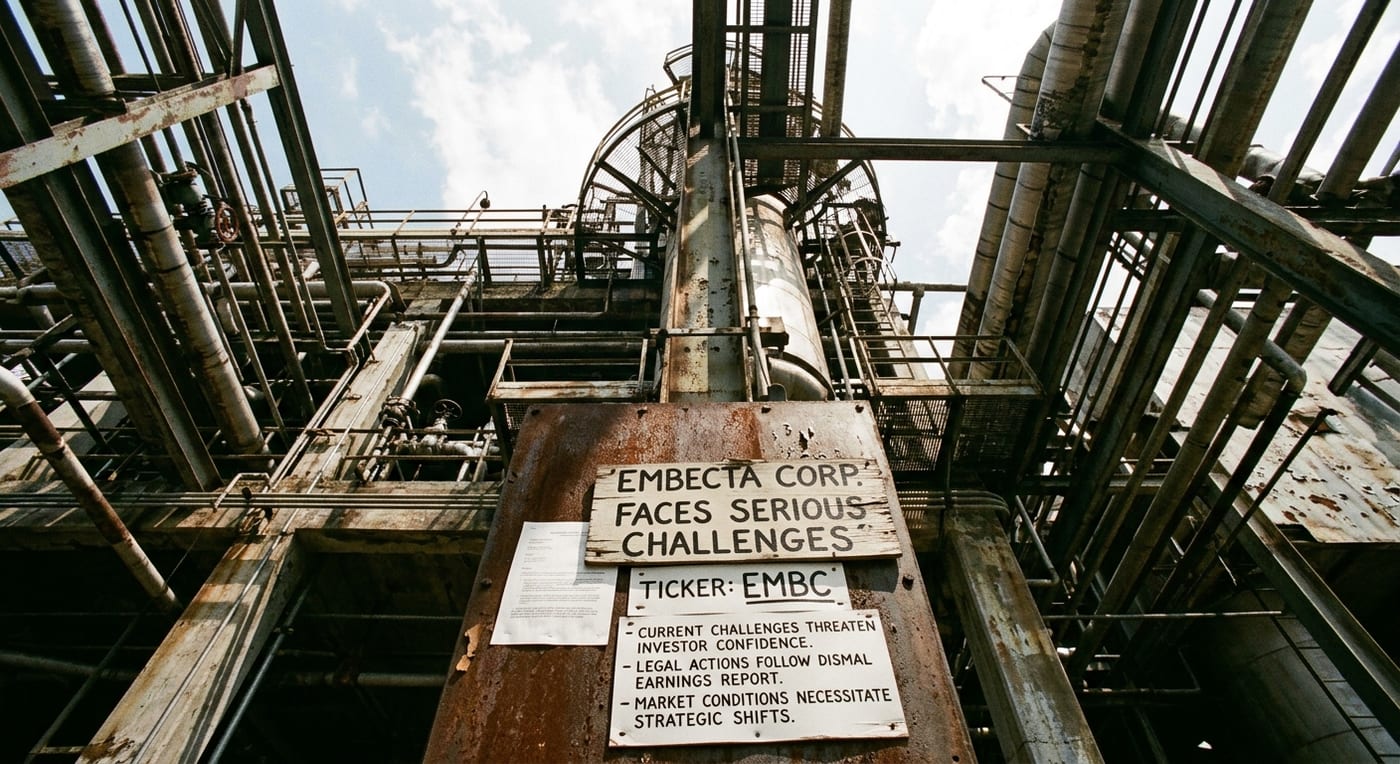
- Current challenges threaten investor confidence.
- Legal actions follow dismal earnings report.
- Market conditions necessitate strategic shifts.
Embecta Corp. EMBC is navigating a tumultuous period marked by severe operational and financial challenges that have eroded investor confidence and significantly impacted its market valuation. Known primarily for its pen needle products used in insulin delivery, the company has faced a perfect storm of declining sales, legal scrutiny, and damaging market conditions. This article provides an in-depth analysis of the factors contributing to Embecta's current struggles, the potential ramifications for its future, and what investors can anticipate moving forward.
Earnings Report Shockwaves
The origins of Embecta's current crisis can be traced back to its Q2 2026 earnings report released on May 5, 2026. Investors were blindsided when the company disclosed an adjusted earnings per share (EPS) of just $0.27, representing a staggering 61% drop from the previous year. This shocking revision sharply contrasts the optimistic forecasts that company management had previously provided, which projected an adjusted EPS range of $2.80 to $3.00 for 2026. The unexpected downturn in performance raised urgent questions about the viability of Embecta’s business model in a highly competitive market.
The drastic downward revision forced the company to slash its annual guidance, lowering projections for adjusted EPS to a range between $1.55 and $1.75. Such a decline in earnings, especially in a company whose pen needle products accounted for over 70% of total revenue, sent the stock tumbling nearly 58% in one day—from $9.25 to $3.90. This event triggered widespread panic among shareholders and highlighted the fragility of the company’s operational prospects, particularly regarding its core product offerings.
Market and Competitive Pressures
The pen needle market, historically a strong revenue driver for Embecta, is currently facing significant challenges. The company admitted during its earnings call that there has been an overall decline in insulin pen prescriptions, coupled with increasing competition from both established players and new entrants in the medical device sector. The decline in demand for pen needles can also be attributed to a shift in patient preferences and treatment regimens that may favor alternative delivery methods such as insulin pumps.
Efforts to stabilize the portfolio have thus far failed to deliver the expected results, leading to ongoing concerns among investors about the company's long-term trajectory. Analysts have raised serious doubts regarding Embecta's ability to regain market share in a climate where innovation and adaptability are crucial to maintaining consumer interest.
As earlier noted in a related analysis, Embecta’s shrinking segment revenues have exacerbated the need for a recalibration of its business strategy—a sentiment echoed by declining sales reports that highlight the ongoing volatility the company is experiencing. Investors are left questioning whether the company can effectively manage these shifts while maintaining its commitment to profitability.
Legal Troubles and Investor Backlash
The fallout from the poor earnings report has been compounded by numerous legal challenges facing Embecta. Following the dismal financial disclosures, several class-action lawsuits have been initiated, alleging that the company and its executives misled shareholders regarding the health of its pen needle business. Claims within these lawsuits focus on allegations that management downplayed risks associated with declining sales and neglected to provide timely disclosures about deteriorating market conditions.
The specifics of these allegations include accusations that Embecta repeatedly assured investors of the stability and resilience of its business, despite signs of market weakness emerging prior to the earnings report. The legal ramifications of these lawsuits may lead to substantial financial liabilities for the company, further straining its resources during this critical period.
Hagens Berman, a firm investigating the situation, emphasizes the importance of transparency and accountability, noting that the credibility of Embecta's managerial strategies is now under severe scrutiny. Investors are left grappling with potential losses amidst the growing sentiment of betrayal caused by what many perceive as reckless or misleading communications from company leadership.
For further reading on the ongoing legal challenges, you may refer to a related article that discusses Embecta Corp. in crisis mode and the implications of its operational difficulties.
The Road Ahead for Embecta Corp.
As Embecta aims to navigate through these turbulent waters, its path forward will likely require significant restructuring and strategic pivots. The company is under pressure to implement robust measures to rebuild trust with investors while enhancing its market presence. Analysts suggest that addressing product innovation, evaluating competitive forces, and improving operational efficiencies will be vital components of any recovery strategy.
Furthermore, with the deadline for lead plaintiff applications in the ongoing lawsuits set for August 17, 2026, the legal landscape surrounding the company could evolve rapidly, further impacting its already fragile stock performance.
In conclusion, the challenges facing Embecta Corp. are far from trivial. With a radical decline in stock price, ongoing lawsuits, market share erosion, and the critical need for a refreshed strategic approach, the coming months will be decisive in determining whether Embecta can reclaim its standing within the medical device sector and return to a path of growth. Investors are eagerly awaiting clarity on how the company intends to address both its internal and external challenges while aiming to restore profitability and investor confidence. The same pressure is reflected in recent reporting on the issue, which helps explain why the company's pricing decisions remain under scrutiny.