
Energy Transfer's Strategic Growth Amidst Market Challenges
ED
Editorial
Cashu Markets·5 min read
TL;DR
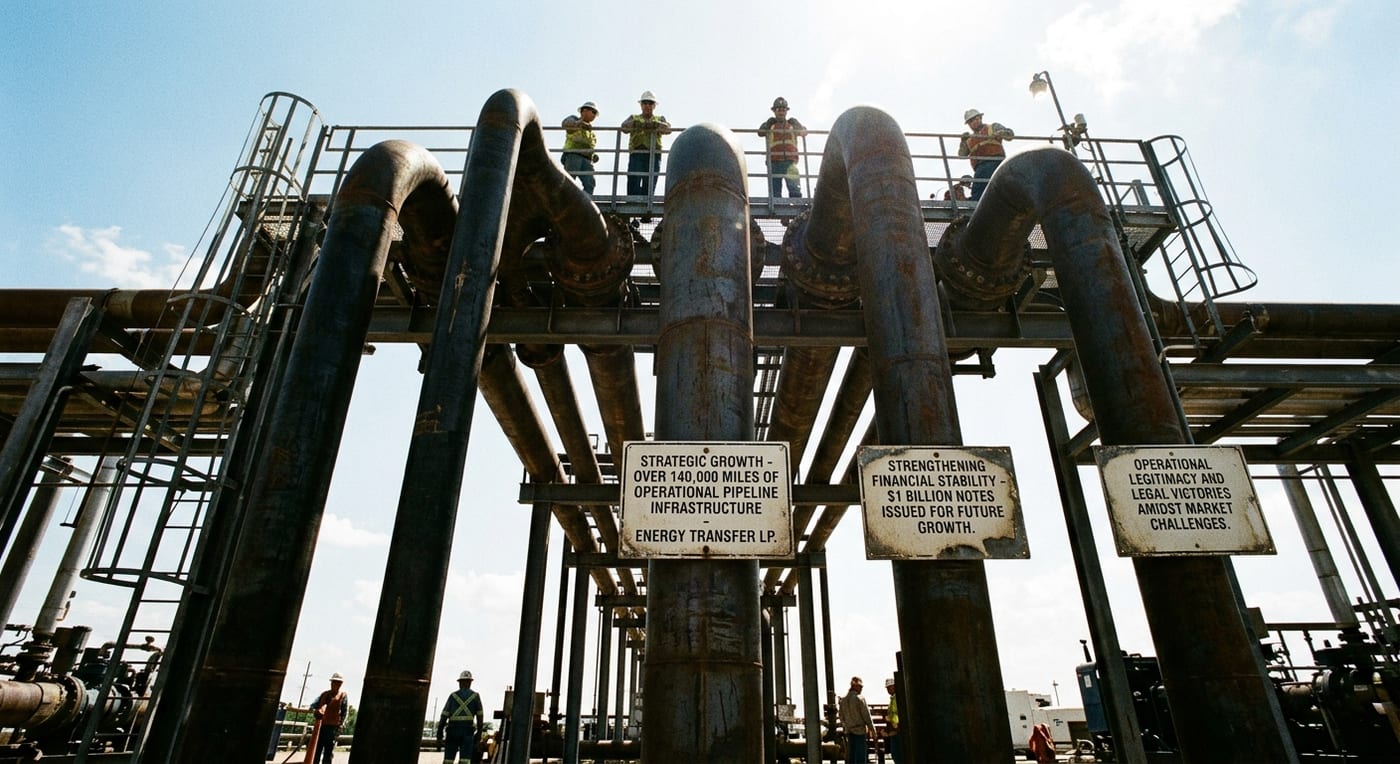
- Energy Transfer LP has a significant market presence with over 140,000 miles of pipeline.
- The company strategically raised $1 billion in notes to strengthen financial stability.
- Recent legal victories reinforce Energy Transfer's operational legitimacy amidst market challenges.
Energy Transfer LP (
ET) is navigating a rapidly evolving landscape in the energy sector, characterized by complex dynamics and shifting demand. With an extensive network of over 140,000 miles of pipeline across the United States, the company stands as a significant player in the midstream energy market. In this article, we will explore Energy Transfer's recent strategic maneuvers, financial position, and outlook in light of market challenges and opportunities, providing a comprehensive view of its operational strategies and future trajectory.
Energy Transfer's Robust Infrastructure
Energy Transfer operates an impressive infrastructure that includes pipelines for natural gas, crude oil, and a variety of refined products. This infrastructure is not just extensive but also strategically critical, enabling the company to generate revenue through fee-based contracts for the transportation of energy products. This model provides a degree of stability; however, it's contingent on the volume of commodities being transported rather than the fluctuating prices of those commodities. Strong demand, therefore, is essential for Energy Transfer's continued success.
Financial Strategies to Enhance Stability
In recent months, Energy Transfer has been focusing on strengthening its financial position amidst a backdrop of rising interest rates and global market uncertainties. Notably, its subsidiary, Sunoco LP, executed a successful offering of $1 billion in senior notes, which is expected to bolster financial stability by reducing debt. This strategic maneuver underscores Energy Transfer's commitment to maintaining a robust balance sheet and ensuring liquidity amid fluctuating operational conditions. The proceeds from this offering will primarily be directed towards paying down existing debts and improving financial flexibility.
Additionally, this note offering is part of a broader trend where Energy Transfer is adopting more conservative financial practices post the dramatic restructuring that occurred during the financial downturn of 2020. After cutting distributions, the company is now targeting a more sustainable growth path with annual distribution increases of 3% to 5%. While this growth rate may not appeal to aggressive investors, it reflects a prudent strategy aimed at long-term stability and investor confidence.
Navigating Market Volatility
The geopolitical tensions, especially surrounding oil supply routes in the Middle East, have led to rising oil prices, impacting energy supply chains globally. For Energy Transfer, however, being a midstream operator means that its revenue model is less susceptible to commodity price volatility compared to exploration and production companies. Although energy prices spike due to supply constraints, Energy Transfer's business model allows it to benefit primarily from increased volume in transportation, effectively insulating it from the more volatile aspects of the market.
As outlined in discussions regarding Energy Transfer's positioning against competing energy firms, the company remains a favorable option for conservative investors seeking stable returns without the heightened risk associated with commodity price fluctuations. The company's strategy to maintain a high distribution yield—currently at around 6.5%, surpassing major competitors like Enterprise Products Partners and Enbridge—positions it well for those prioritizing income over aggressive growth.
Legal and Regulatory Environment
Energy Transfer has also faced significant legal challenges, particularly concerning the Dakota Access Pipeline. Recently, a jury ruled in favor of Energy Transfer in a lawsuit against Greenpeace, ordering the organization to pay over $660 million for damages related to protest activities. This legal victory not only strengthens Energy Transfer's position regarding operational legitimacy but also reinforces its commitment to advancing infrastructural projects while maintaining the legal frameworks governing such developments.
The ruling signals a positive outcome for Energy Transfer, as it emphasizes the importance of balancing energy infrastructure development with community impacts and environmental considerations.
The Road Ahead: Market Positioning and Investor Outlook
Looking forward, Energy Transfer is poised to continue its strategy of gradual growth while capitalizing on its expansive network and established market presence. The focus on enhancing operational efficiencies and expanding its service offerings aligns well with both current market demands and long-term industry trends. With increasing calls for diversified energy solutions and sustainable practices, Energy Transfer's ongoing adaptation to regulatory pressures and environmental standards will be crucial.
In summary, Energy Transfer LP's strategic initiatives, including its recent debt reduction tactics and successful legal outcomes, collectively contribute to a narrative of resilience and adaptability in a complex market environment. As the company aims for gradual growth and stability with a clear focus on generating reliable cash flows, it stands as a constructive choice for conservative investors looking for income while navigating the unpredictable energy landscape.
Conclusion
As geopolitical factors and market dynamics fluctuate, Energy Transfer LP's ability to leverage its substantial infrastructure while maintaining financial prudence stands out. While some investors may seek opportunities in more volatile sectors of the energy market, Energy Transfer's robust distribution yield and strategic positioning allow it to remain a leading choice for those prioritizing stability and income in their investment portfolios. The same pressure is reflected in recent reporting on the issue, which helps explain why the company's pricing decisions remain under scrutiny.