
GeneDx Holdings: Crisis Management and Recovery
ED
Editorial
Cashu Markets·5 min read
TL;DR
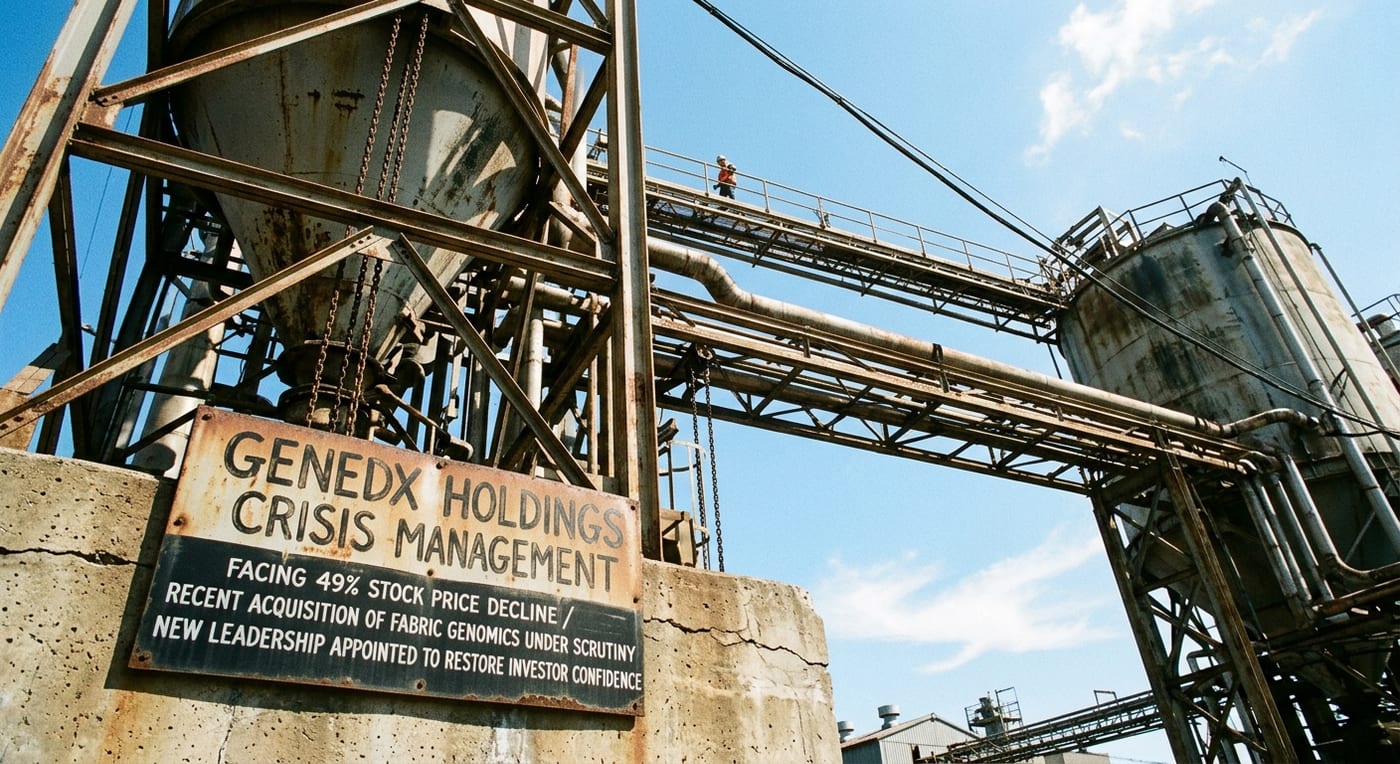
- GeneDx Holdings facing a 49% stock price decline.
- Recent acquisition of Fabric Genomics under scrutiny.
- New leadership appointed to restore investor confidence.
GeneDx Holdings Corp. (WGS) is navigating turbulent waters following a significant downturn in its stock, resulting from financial struggles and a controversial acquisition. Over the past months, the company has faced intense scrutiny from investors and legal challenges that threaten its stability. This article delves deep into GeneDx's predicament, offering insight into the factors contributing to its current situation, the implications for its future, and the strategies being employed to restore investor confidence.
Stock Price Plummet
On May 5, 2026, GeneDx's stock price witnessed a staggering decline, plummeting by 49% after disclosing dismal first-quarter earnings. The earnings report revealed not only an alarming net loss that surpassed expectations but also highlighted a significant decrease in gross margins from 74% to 69%. Such financial misjudgments have sent shockwaves through the investor community, raising questions regarding the management's effectiveness and the company's overall business strategy.
The core of the issue appears to be linked intimately to the company's acquisition of Fabric Genomics. Initially, this acquisition was seen as a strategic move intended to enhance operational efficiency and expand market reach. However, the recent earnings report indicated that GeneDx incurred a $31.2 million impairment charge associated with this acquisition, demonstrating that the anticipated benefits had not materialized as expected. The substantial drop in stock prices is seen as a direct response to these revelations, prompting discussions among investors about the viability of GeneDx's strategy.
According to previous reports, the implications of the Fabric acquisition brought significant legal scrutiny, as GeneDx faced claims of misrepresentation concerning the potential benefits from this deal. These issues have compounded the concerns already surrounding the financial health of the company, indicating that GeneDx's management will need to take urgent steps to rectify not only its financial situation but also its reputation in the market.
The Fabric Genomics Acquisition Fallout
The troubles surrounding the acquisition of Fabric Genomics have placed GeneDx under a microscope. While the acquisition had initially been touted as a promising avenue for revenue expansion through AI-driven genomic interpretations, its performance has led to further complications. GeneDx reported an unexpected drop in revenues attributed to Fabric Genomics, revealing a $2.5 million shortfall in projected revenue and substantial impairment losses, which compounded the investor sentiment regarding the deal.
This has raised critical scrutiny about the management's decision-making process and the true synergistic potential expected from this acquisition. As noted in related analyses, the legal ramifications tied to the Fabric acquisition have resulted in multiple class action lawsuits filed by investors seeking recovery of losses incurred from the stock collapse.
For instance, lawsuits allege that GeneDx misled investors about the integration of Fabric, projecting a rosy picture of future profitability that starkly contrasts with the current reality. With deadlines for investors to secure counsel approaching, the developments surrounding these legal actions will likely play a pivotal role in the company’s future.
Management Changes and Future Strategy
In response to the market's severe reaction, GeneDx has taken steps to alleviate investor concerns by appointing new leadership. Mark Gardner was named as the company's President, charged with steering the company towards recovery. Gardner’s background in the genomics sector may bring fresh perspectives and effective strategies that can stabilize GeneDx’s operations.
This leadership change is seen as a critical move to regain trust from investors and steer the company back on a growth trajectory. Analysts suggest that Gardner’s fresh leadership could be instrumental in revamping GeneDx's operational strategies and addressing lingering investor skepticism. However, confidence can only be fully restored through demonstrable results in revitalizing the company's financial health and operational effectiveness.
Looking Ahead: Navigating Recovery
GeneDx is at a crucial juncture and the path forward involves navigating a multitude of challenges. With ongoing legal battles and increased scrutiny over its financial disclosures, the company faces an uphill task to regain investor trust. Experts advocate for a comprehensive approach that entails improving transparency, refining operational strategies, and ensuring robust communication with stakeholders to allay fears and drive renewed interest in GeneDx's offerings.
As the market watches closely, the true test for GeneDx will be its ability to communicate effectively about future operational improvements and any corrective measures undertaken in the wake of recent financial missteps. Furthermore, a concerted effort in innovative product development remains vital for GeneDx’s survival in the fiercely competitive genetic testing sector.
As the firm continues to face mounting pressure, maintaining focus on core competencies while judiciously managing its assets will be essential for propelling recovery efforts.
In sum, GeneDx Holdings Corp.'s current difficulties underscore the inherent risks associated with rapid expansion through acquisitions. The fallout from the Fabric Genomics acquisition serves as a cautionary tale for investors and companies alike about the importance of thorough due diligence and realistic expectations in mergers and acquisitions. As GeneDx seeks to emerge from this challenging period, its approach to handling investor relations and operational recovery will be closely monitored across the industry. The same pressure is reflected in recent reporting on the issue, which helps explain why the company's pricing decisions remain under scrutiny.