
Heidmar Maritime's Strategic Expansion in 2026
ED
Editorial
Cashu Markets·4 min read
TL;DR
- Heidmar expands fleet with Q-Shipping acquisition - Strategic focus on sustainability and efficiency - Positioned for growth amid high freight rates
Heidmar Maritime Holdings Corp. ( HMR) is making significant strides in enhancing its operational capabilities and expanding its footprint in the global maritime market. Following a series of strategic maneuvers, including the recent acquisition of Q-Shipping B.V., the company is well-positioned to capitalize on the ongoing demand for professional ship management services amidst a turbulent geopolitical landscape that continues to elevate freight rates. This article delves into Heidmar's initiatives, market dynamics, and the implications for its growth trajectory.
Strategic Acquisition and Fleet Expansion
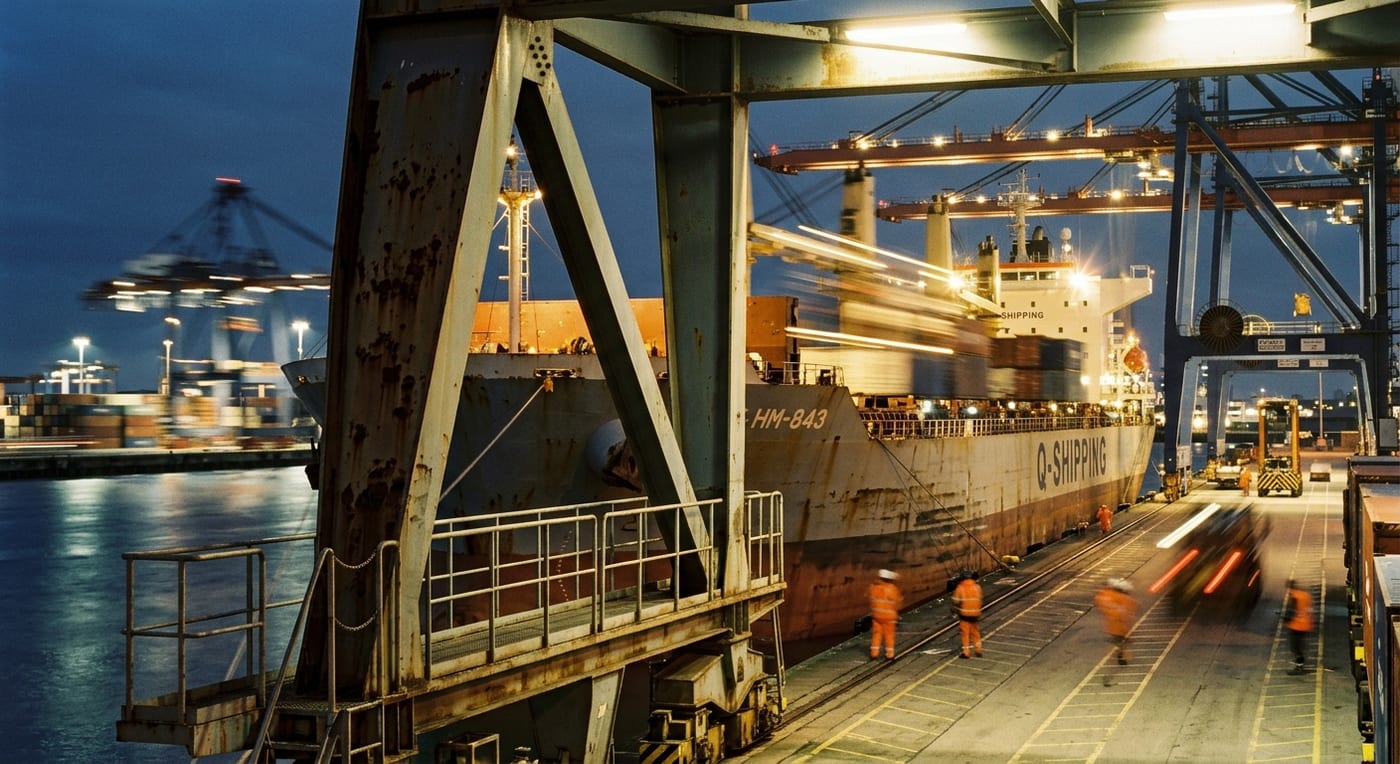
In July 2026, Heidmar announced the acquisition of Q-Shipping B.V., a move that enhances its ship management capabilities and adds nine vessels to its managed fleet. This acquisition not only signifies an increase in scale but also marks Heidmar's entry into vital maritime hubs in the Netherlands and Turkey, as well as establishing crewing operations in Ukraine. Following the completion of this transaction, Heidmar now manages approximately 50 vessels under commercial management and 16 under technical management.
The company’s CEO, Pankaj Khanna, stated, "This acquisition is a clear example of how we intend to grow Heidmar—adding vessels and expanding into new markets with minimal capital and immediate operational upside." This reflects the company’s asset-light growth strategy aimed at maximizing shareholder value without significant capital expenditures.
Navigating the High Freight Rate Environment
Heidmar's expansion comes at a time when the global tanker market is experiencing unprecedented pressure due to sustained high freight rates, driven largely by geopolitical uncertainties and logistical challenges. Recent analyses highlight that the persistence of elevated freight costs complicates shipping dynamics, forcing companies to recalibrate logistics strategies to mitigate rising operational costs.
The article titled "Persistent High Freight Rates Reshape Global Tanker Market Amid Geopolitical Challenges" underscores how geopolitical disruptions are driving shipping costs up, complicating operations for companies like Heidmar. As shipping routes are reevaluated and cargo is rerouted, the need for flexible and efficient ship management services becomes essential. Heidmar's strategic addition of vessels into its portfolio allows it to better navigate these challenges and offer enhanced services to its clients.
Focus on Operational Efficiency and Sustainability
In conjunction with its fleet expansion, Heidmar is committed to improving operational efficiency and sustainability, which have become paramount in the maritime industry. The company is leveraging innovative technologies to modernize its fleet and reduce its operational carbon footprint. Khanna emphasizes that the dedication to sustainability not only aligns with global environmental initiatives but also positions Heidmar as a forward-thinking player in a competitive market.
The emphasis on sustainability is echoed in the broader maritime industry's shift towards responsible practices, especially given the rising scrutiny on environmental impacts. Heidmar's efforts in modernizing its fleet are designed to enhance performance while addressing ecological accountability, thus appealing to environmentally conscious stakeholders.
Implications for Future Growth
The strategic moves undertaken by Heidmar suggest a robust outlook for future growth. By expanding its operational footprint and capabilities in key maritime regions, Heidmar can better capture market opportunities and adapt to fluctuating maritime demands. The acquisition of Q-Shipping B.V. positions Heidmar closer to shipowners and cargo flows, allowing for improved service delivery in the competitive tanker market.
Additionally, the current market environment characterized by high freight rates and operational disruptions presents opportunities for companies that can provide reliable and adaptable management services. Heidmar’s strategy of expanding its managed fleet while maintaining an asset-light approach enables it to seize these opportunities while minimizing financial risk.
Conclusion
In summary, Heidmar Maritime Holdings Corp. is strategically positioning itself for sustained growth amidst a rapidly evolving maritime landscape. The recent acquisition of Q-Shipping B.V., combined with a focus on operational efficiency and sustainability, underscores the company's commitment to enhancing its service capabilities while adapting to market pressures. As Heidmar continues to expand its reach and fleet, it is poised to capitalize on emerging opportunities within the maritime sector, making it a company to watch closely in the years to come.
Ultimately, Heidmar operates at a time of both challenge and opportunity, and its strategic initiatives reflect a comprehensive approach to navigating the complexities of the modern shipping industry. The same pressure is reflected in recent reporting on the issue, which helps explain why the company's pricing decisions remain under scrutiny.