
Hertz Global Holdings Faces Significant Challenges
ED
Editorial
Cashu Markets·5 min read
TL;DR
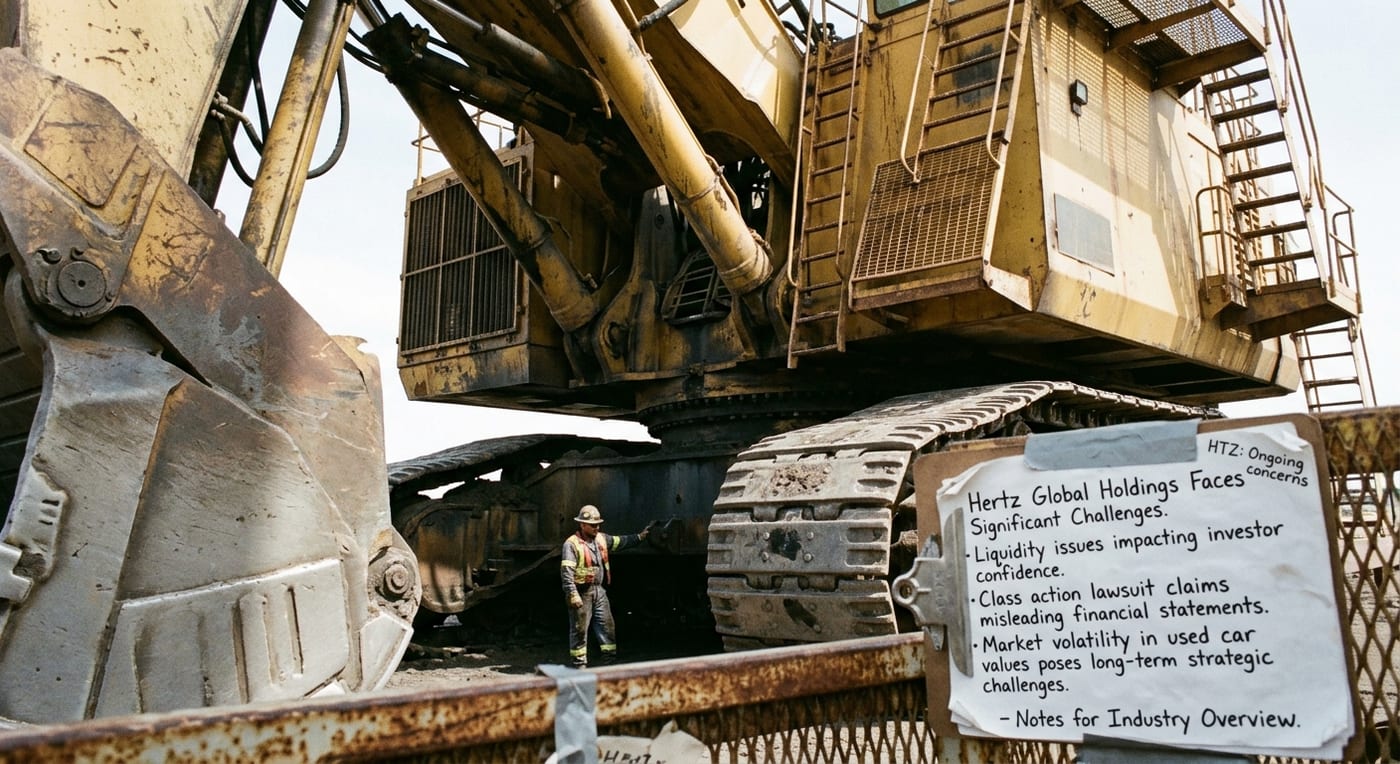
- Hertz faces liquidity issues impacting investor confidence.
- A class action lawsuit claims misleading financial statements.
- Market volatility in used car values poses long-term strategic challenges.
Hertz Global Holdings, Inc. ( HTZ) is currently in a precarious position as it navigates issues related to liquidity, market challenges, and increasing legal scrutiny. This article delves into the current state of Hertz, its operational hurdles, and how the company plans to address investor concerns amidst a turbulent market.
Overview of Current Challenges
In recent months, Hertz has faced notable liquidity issues, which have raised alarms among investors and analysts alike. Following its emergence from bankruptcy, the company's return to stability seemed promising. However, the vehicle rental giant has experienced unexpected softening in the used car market, affecting its operational strategies and financial health. The significant dip in used car values has raised serious questions about the company's inventory management, depreciation rates, and overall financial disclosures.
Legal Turmoil and Class Action Lawsuits
The legal landscape for Hertz has become increasingly hostile, with a class action lawsuit alleging the company misrepresented its liquidity position and overall financial health. The lawsuit claims that Hertz's disclosed liquidity figures were overly optimistic and that the operational challenges the company faced were more severe than acknowledged. According to the complaints, investors believe they were led to invest under false pretenses, which highlights a further erosion in investor confidence.
The class action suit, amidst the backdrop of deteriorating market conditions for used vehicles, paints a concerning picture of Hertz's future. Analysts suggest that if the allegations hold true, this could force the company into a distressed financing situation, which may lead to significant dilution of existing shares, further impacting investor sentiment.
As detailed in a previous article, these liquidity concerns are not just a momentary blip on the radar for Hertz; they reflect a systemic issue within the company that must be addressed for long-term viability. The lawsuit outlines how the company’s liquidity was not as robust as represented, raising doubts about its immediate operational capabilities and future growth potential.
Impact of Used Car Market Volatility
Hertz's struggles with used car valuation and depreciation directly tie into its operational success. The firm has been transparent in recent earnings reports, revealing losses linked to the sale of vehicles, an aspect often overlooked in the broader narrative of car rental companies focusing solely on bookings and revenue growth.
The rapid declines in vehicle resale values, which Hertz had characterized as temporary, are proving to be more persistent. This change not only affects Hertz's net depreciation per unit but has cascading effects on other financial metrics critical to assessing the company's overall health. Investors should keep a close eye on these depreciation trends as they will likely influence margin pressures and operational adjustments in the upcoming quarters.
These developments connect deeply with the earlier class action lawsuit discussions. Both highlight that Hertz's strategic misjudgments may have severe financial ramifications, not just in terms of lost revenue but also in terms of diminished investor trust and potential stock market volatility.
Addressing Investor Concerns
In light of the recent turmoil, Hertz has been prompted to re-evaluate its strategies and bolster its communication with shareholders. Transparency appears to be a focal point in regaining trust. With significant declines in stock prices reflecting investor concern, the company’s management is under pressure to provide clearer insights into operational performance and strategic redirection. This will be critical not only for rebuilding investor confidence but also for maintaining market positioning during tumultuous times.
Furthermore, Hertz needs to develop contingency plans that address not only operational efficiencies but also ways to mitigate risks associated with fluctuating vehicle prices. These may include diversifying fleet procurement strategies and enhancing real-time data analytics capabilities to better predict and react to market changes. A more sophisticated risk management framework could serve as a vital tool in stabilizing the company's financial outlook.
Future Outlook and Conclusion
As Hertz Global Holdings, Inc. (https://cashumarkets.com/stock/htz) looks ahead, it must confront a multitude of challenges that threaten to destabilize its post-bankruptcy recovery. The dual pressures of ongoing litigation and operational volatility necessitate a shift toward greater accountability and strategic resilience.
The class action lawsuit and its allegations against the company serve as a stark reminder of the importance of transparency in corporate governance. For Hertz to regain its footing, addressing these legal challenges head-on, by enhancing the clarity of its financial communications and reassessing its operational strategies in the face of market volatility, will be paramount. The coming months will be critical as Hertz attempts to navigate these turbulent waters.
In summary, the outlook for Hertz is enveloped in uncertainty shaped by liquidity challenges, fluctuating vehicle values, and legal battles that demand immediate attention. Stakeholders will undoubtedly be watching to see how the company adapts and reinvigorates its strategy to emerge stronger from these trials. The same pressure is reflected in recent reporting on the issue, which helps explain why the company's pricing decisions remain under scrutiny.