
Intel's Strategic Shift in AI and Manufacturing
ED
Editorial
Cashu Markets·5 min read
TL;DR
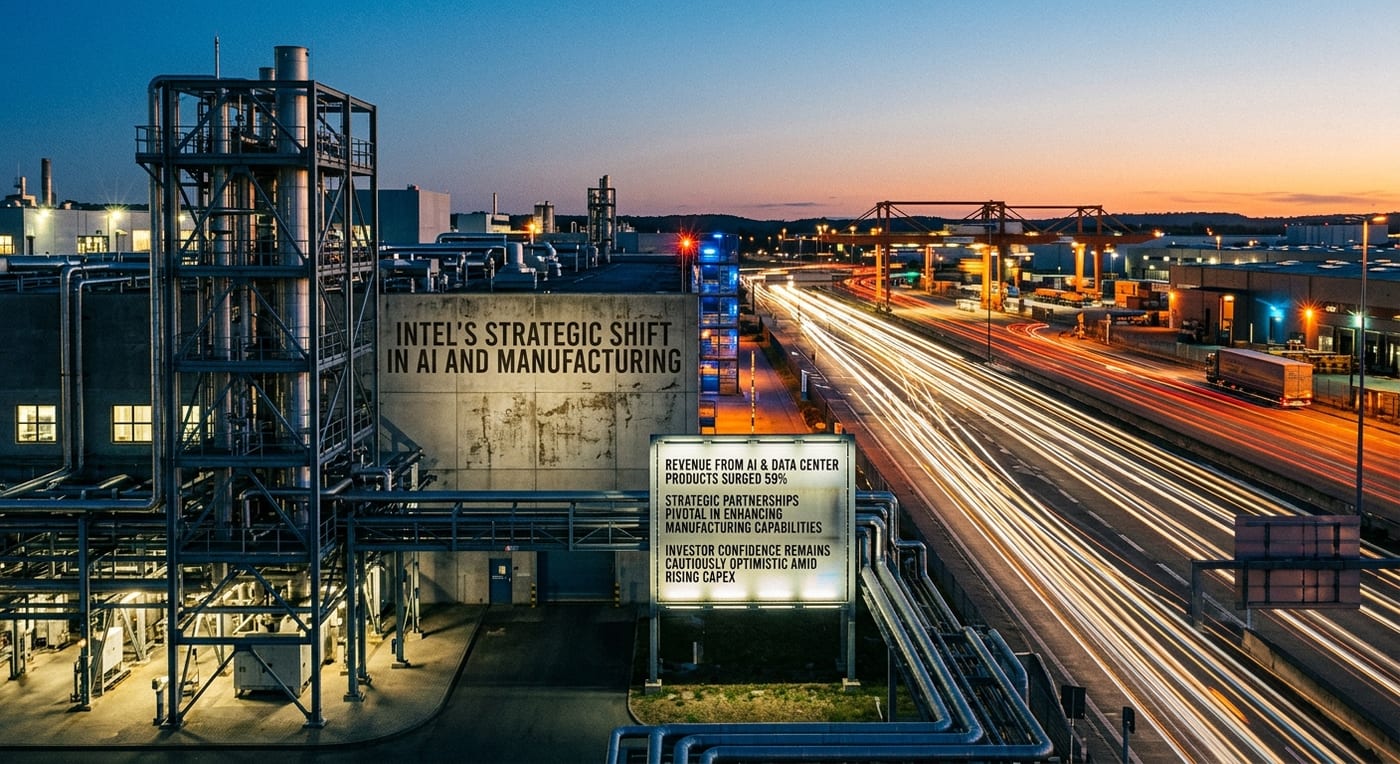
- Intel's revenue from AI and data center products surged 59%.
- Strategic partnerships are pivotal in enhancing manufacturing capabilities.
- Investor confidence remains cautiously optimistic amid rising capital expenditures.
Intel Corp. ( INTC) is at a pivotal moment, charting a course through the burgeoning fields of artificial intelligence (AI) and advanced manufacturing. This strategic pivot, spearheaded by CEO Lip-Bu Tan, aims to reclaim market dominance as the landscape of the semiconductor industry dramatically evolves. By focusing on its data center and AI segments, Intel is poised for significant growth as global demand for advanced computing capabilities surges.
The AI Boom and Intel’s Competitive Landscape
The demand for AI technologies has become a driving force for Intel's recent successes, evidenced by a staggering 59% leap in revenue from its data center and AI products to $6.3 billion in the second quarter of 2026. This has positioned Intel to not only recover from previous declines but to emerge with renewed vigor in the market. The surge is largely attributed to an increasing necessity among hyperscalers to secure server CPUs, which has far outstripped supply, subsequently elevating CPU prices across the board. As traditional sales of consumer PCs begin to plateau, this shift towards data centers and edge computing marks a significant change in Intel's corporate strategy.
According to recent insights, Intel’s remarkable revenue growth isn't merely a product of enhanced operational efficacy, but rather a response to the critical and urgent demands placed upon it by a rapidly evolving industry. The AI infrastructure boom is thus not only a backdrop but the very crux of Intel's recovery narrative. The company has mobilized its resources to meet these demands, which contrasts sharply with memories of slower growth in its legacy business models. Specifically, Intel’s strategic embrace of AI technologies appears to mirror trends seen in its competitors, solidifying its resolve to remain competitive in a landscape increasingly dominated by broader AI applications.
Embracing Advanced Manufacturing
Central to Intel’s ambitious turnaround is its renewed focus on advanced manufacturing capabilities. The company has invested heavily in its foundry business—evidenced by a 31% rise in revenue within that sector, even though it continues to face operating losses. These decisions underpin Intel's need to modernize its manufacturing processes to meet the escalating demand for more advanced technology solutions. The firm’s technology roadmap, particularly the projected roll-out of its Intel 18A innovation, is essential for regaining a competitive edge within semiconductor manufacturing.
The impact of this strategic pivot is multifold. As noted in a recent article, increased capital expenditures, projected to exceed $20 billion for 2026, reflect an aggressive approach towards revitalizing Intel’s manufacturing capabilities. This proactive strategy is coupled with the firm’s intent to establish notable partnerships that aim to enhance production capabilities and bolster technological advancements. Reports indicate that proactive partnerships, such as those with companies like Kontron AG, will be pivotal in fostering developments in AI and edge technology innovations. This collaborative ethos suggests that Intel is keen to solidify its standing not only as a manufacturer but as an innovator in the semiconductor landscape.
Challenges Ahead: Cautious Optimism
Despite its favorable trajectory, Intel faces several hurdles on its path to recovery and growth. While the buoyancy in AI and data center segments bodes well, challenges remain prevalent, particularly regarding capital expenditures and operational restructuring. Market analysts have voiced caution concerning the rise in capex amidst fluctuating stock performance and broader economic conditions. Recent reports highlight that although shares jumped post-earnings announcements, they subsequently fell due to concerns over potential capital expenditure rollouts affecting near-term profits.
Additionally, as Intel strives to enhance its competitiveness amidst rising pressures from rivals like AMD and NVIDIA, the strategic decisions made today will set the foundation for future success. The competition is fierce in the semiconductor industry, with various global players accelerating innovation cycles to cater to the insatiable demand for advanced computing solutions. Intel's response to these pressures—a blend of innovation, strategic partnerships, and an unwavering focus on core competencies—illustrates its dedication to reclaiming its place within the industry.
Investor Sentiment and Market Confidence
As Intel strives to reposition itself within a dynamically shifting semiconductor landscape, market confidence plays a crucial role. A report highlighted that investor sentiment has been cautiously optimistic—underscored by the substantial recovery in share prices over the past 12 months. However, concerns linger regarding the inherent risks tied to high capital investments and the execution of ambitious strategic plans. Intel’s ability to harness its newfound momentum will ultimately depend on improving operational efficiencies and aligning investor expectations with concrete results amidst this transformative phase.
In conclusion, Intel’s ongoing journey through the realms of AI and advanced manufacturing epitomizes a strategic pivot that could herald a renaissance for the semiconductor giant. Through embracing AI capabilities, revamping manufacturing processes, and fostering strategic partnerships aimed at enhancing innovation, Intel is setting the stage for future growth. The interplay between an expanding data center landscape and an evolving manufacturing strategy positions Intel to not only reclaim lost market share but to rise anew as a leader in the semiconductor industry. The same pressure is reflected in recent reporting on the issue, which helps explain why the company's pricing decisions remain under scrutiny.