
Intel's Transition: Navigating the AI and Manufacturing Landscape
ED
Editorial
Cashu Markets·5 min read
TL;DR
- Intel is strategically focusing on AI and edge computing to revitalize growth.
- The introduction of Panther Lake processors highlights advancements in manufacturing and integration.
- Investor confidence is bolstered by Intel's promising strategic partnerships and innovations.
Intel Corp. (INTC) has entered a transformative phase as it adapts to the changing dynamics of the semiconductor industry, particularly through a focused approach toward artificial intelligence (AI) and advanced manufacturing capabilities. This shift represents more than just a response to competitive pressures; it marks a reorientation of Intel's core business strategy to reclaim its place as a leader in the semiconductor sector. As competition from industry peers intensifies, particularly from companies like AMD and NVIDIA, Intel's innovative initiatives and strategic partnerships will play a critical role in defining its future trajectory. This article explores how Intel is leveraging its AI capabilities, enhancing its manufacturing processes, and fostering strategic partnerships to navigate the competitive landscape.
Embracing the AI Boom
The surge in AI demand has proven to be a critical turning point for Intel, steering its focus towards sectors like data center and edge computing. Traditional PC sales have stagnated, prompting Intel to pivot towards AI processing as a primary revenue driver. In line with these efforts, the company has actively formed partnerships that not only solidify its position in the AI ecosystem but also align with the increasing need for advanced computing solutions. Recently, industry analysts have underscored the importance of these partnerships, recognizing them as vital for Intel’s strategy to enhance its competitive edge in a rapidly evolving market. For example, the recent article detailing Intel’s strategic ascent in AI and semiconductor manufacturing emphasizes how these collaborations position Intel to effectively capture market share, setting a foundation for significant growth and operational success.
As Intel ramps up its focus on AI technologies, the company is well-positioned to meet the growing requirements of modern enterprise computing. The emphasis on developing AI capabilities reflects not just Intel’s desire to innovate, but also the broader industry transition toward data-driven solutions.
Strategic Innovations in Manufacturing
Intel's commitment to revitalizing its manufacturing operations is articulated through its IDM 2.0 strategy, which seeks to enhance domestic semiconductor production capabilities while addressing supply chain vulnerabilities. Pat Gelsinger, Intel’s CEO, has highlighted the importance of technical leadership in guiding the company's manufacturing revival. His return to the company in 2021 brought renewed focus on the engineering expertise that Intel needs to compete effectively against rivals like TSMC and Samsung. According to Gelsinger, prioritizing technical acumen over purely financial considerations is critical for making informed decisions that shape the company's future.
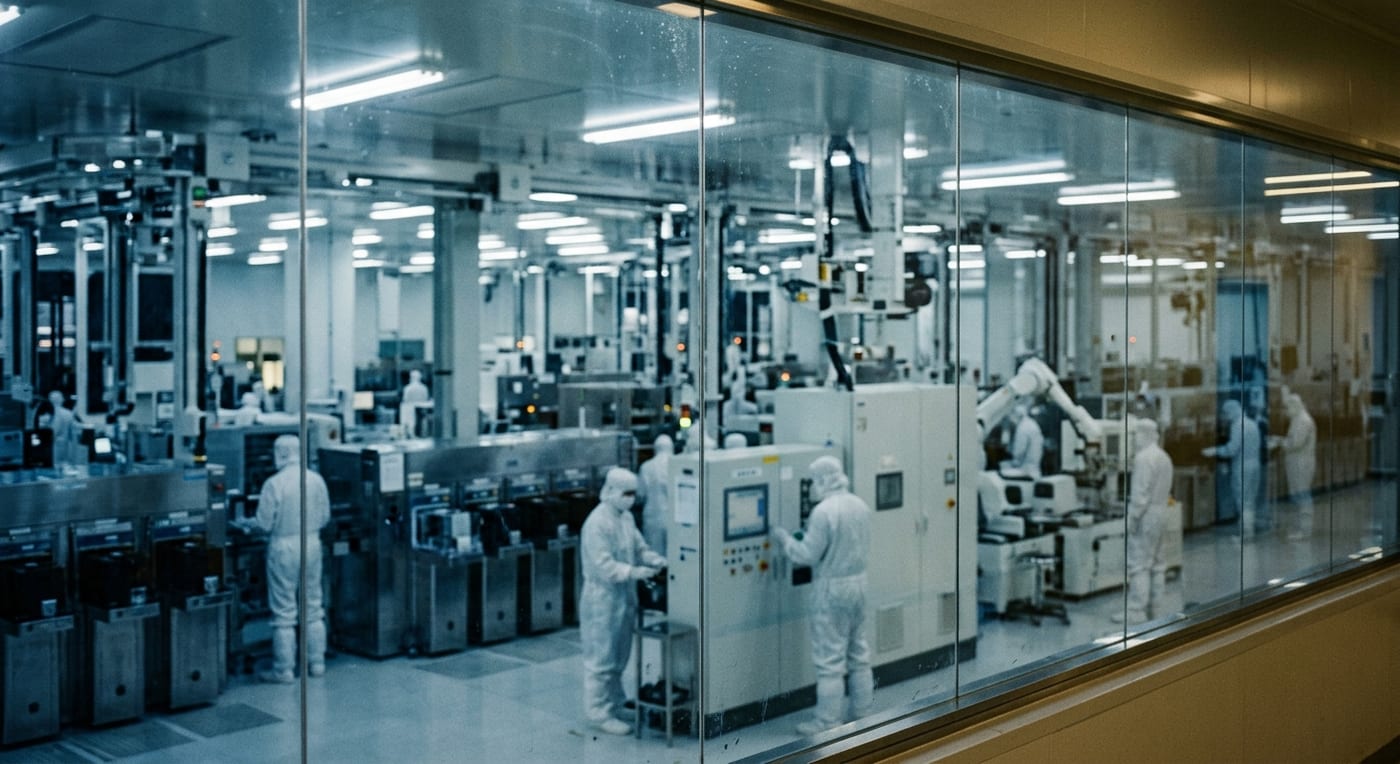
In line with this vision, Intel has taken aggressive steps to advance its foundry services. Recently, the company announced the successful deployment of high-volume production processes for its Core Ultra Series 3 processors, employing the cutting-edge High NA EUV technology developed in collaboration with ASML. This technology provides Intel with a competitive advantage in producing smaller, more efficient chips, a vital requirement for AI applications. The innovations resulting from these advancements not only showcase Intel's commitment to enhancing manufacturing capabilities but also reveal its strategic pivot toward high-performance integration, crucial in today’s competitive landscape.
A Focused Edge: Panther Lake Processors
One of the most notable achievements in Intel's pursuit of innovation is its partnership with Kontron AG to develop edge AI solutions using the Panther Lake processors. These advanced processors integrate CPU, GPU, and NPU functionalities into a single chip, addressing the rising demand for real-time edge computing. The significance of this collaboration lies in its alignment with current industry needs aiming for smarter, autonomous systems capable of operating in diverse environments such as manufacturing and public safety.
By focusing on edge computing, Intel is diversifying its product offering and tapping into new markets that were once underserved or overlooked. As edge computing becomes increasingly vital for businesses seeking efficiency and real-time processing power, Intel’s Panther Lake processors provide an essential solution for enterprises navigating an ever-evolving technological landscape. This proactive approach reinforces Intel’s strategy of addressing market gaps with innovative products and services.
Investor Sentiment Amidst Market Competition
Recent trends in investor sentiment also reflect growing confidence in Intel’s strategic direction. With analysts increasing price targets and bolstering projections based on the company’s enhancements in AI and semiconductor manufacturing, Intel is increasingly viewed as a company poised for sustainable growth. The strategic partnerships cultivated over the past year draw attention to Intel’s commitment to innovation, which, as outlined in another relevant report on investor confidence, further establishes the company’s competitive stance amidst market competition.
Furthermore, the potential partnership with Apple for utilizing Intel's foundry services presents a significant opportunity that could bolster Intel’s revenue and market presence. This alignment with a technology leader not only enhances Intel's production capacity but also diversifies its semiconductor portfolio, positioning the company favorably in a congested market.
Conclusion: Looking Ahead
In conclusion, Intel Corp. is undergoing a strategic transformation as it adapts to the burgeoning demand for AI solutions and revitalizes its manufacturing capabilities. By harnessing the power of strategic partnerships and focusing on innovation, Intel aims to reclaim its prominent position in the semiconductor industry while addressing the complexities introduced by competition from peers. As the tech landscape continues to evolve, Intel’s dedication to developing robust AI solutions, coupled with its commitment to high-performance manufacturing processes, keeps it on a promising trajectory. The company's ability to capitalize on the unfolding growth in AI, operate efficiently in edge computing, and maintain investor confidence will ultimately dictate its success in the coming years. The same pressure is reflected in recent reporting on the issue, which helps explain why the company's pricing decisions remain under scrutiny.