
Kaiser Aluminum's Index Reclassification Enhances Growth-Defensive Perception Amid Economic Uncertainty
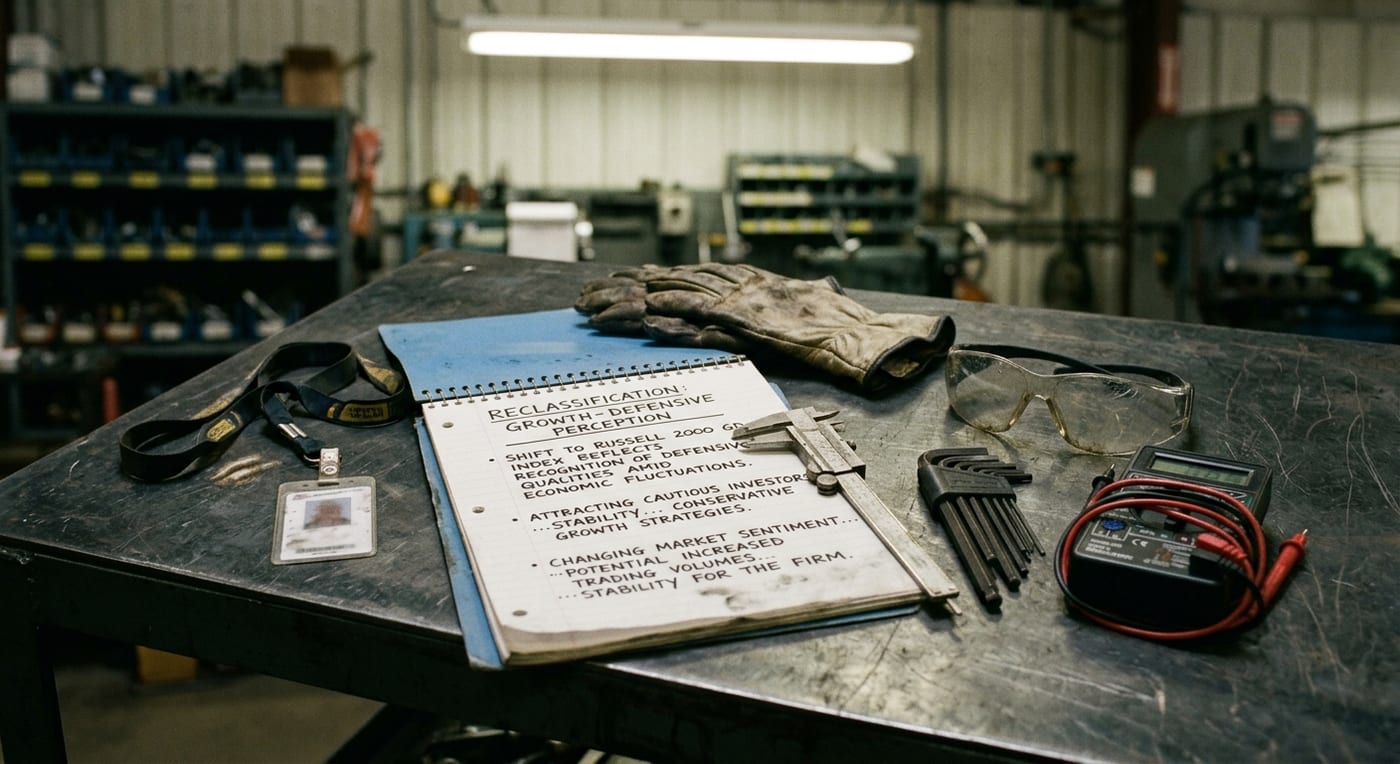
- Kaiser Aluminum's reclassification to Russell 2000 Growth-Defensive indicates investor recognition of its defensive qualities amidst economic fluctuations.
- This shift may attract cautious investors seeking stability, enhancing Kaiser Aluminum's appeal for conservative growth strategies.
- The reclassification reflects changing market sentiments, potentially leading to increased trading volumes and stability for Kaiser Aluminum.
Kaiser Aluminum (KALU) has experienced a notable shift in its market positioning following a significant reclassification within the Russell indices. Recently, the company transitioned from multiple value benchmarks to being included in the Russell 2000 Growth-Defensive and Defensive indices. This change suggests a critical reassessment of Kaiser Aluminum's profile by investors, indicating that the market perceives the company as having defensive qualities that may serve as a buffer during economic fluctuations. By being categorized in these specific indices, Kaiser Aluminum positions itself to attract a more cautious cohort of investors who are seeking stability in their portfolios amidst increasing market volatility.
Strategic Advantages of Reclassification
The reclassification also hints at a broader recognition of Kaiser Aluminum’s growth potential and financial health. Investors are becoming more aware of the strategic advantages that could arise for companies like Kaiser Aluminum, which can provide both growth prospects and defensive traits. This dual classification may lead institutional investors and passive funds to reconsider their investment approaches towards KALU, as they align their positions with the new index memberships. Such strategic shifts can significantly alter the landscape for Kaiser Aluminum, potentially affecting trading volumes and attracting a different demographic of investors focused on conservative growth strategies.
Future Implications and Market Landscape
Moreover, for Kaiser Aluminum, this reclassification not only reflects current market sentiments but also offers insight into future investor strategies. As the company garners a reputation within the more defensive indexes, it could potentially facilitate a stabilization of its market position even as external economic pressures fluctuate. The implications of these changes are multifaceted, as institutions may be prompted to rebalance their holdings, ultimately affecting the trading dynamics surrounding Kaiser Aluminum. Stakeholders may need to actively engage with these developments to adapt to the evolving strategies targeting KALU shares, potentially leading to greater market resilience for the company moving forward.
Potential Recognition in the Industry
In addition to its index reclassification, Kaiser Aluminum's positioning could resonate positively across the industry, particularly as economic uncertainties persist. By highlighting its stability amidst market turbulence, the company may attract increased attention from risk-averse investors, looking for reliable growth opportunities within the aluminum sector.
Conclusion
Overall, the recent changes to Kaiser Aluminum's index alignments underscore an evolving narrative in the market, showcasing how investor perceptions are shifting towards a more strategic recognition of defensive investments. As the company continues to navigate these changes, its ability to leverage this reclassification may prove pivotal for its future growth trajectory and market strategy.
Related Cashu News

Quaker Houghton Expands Operations in China to Boost Manufacturing and Market Presence
Quaker Houghton (Ticker: KWR) is advancing its operational footprint with the opening of a new manufacturing facility in Zhangjiagang, China, alongside the expansion of its laboratory in Shanghai. The…

FMC Corporation Partners with Tessenderlo Group to Enhance Market Position and Innovation
FMC Corporation (Ticker: FMC) announces a significant strategic maneuver as it makes strides in enhancing its market positioning through a prominent investment from Tessenderlo Group. This partnership…

International Paper Restructures Operations, Closes Four Plants for Enhanced Efficiency and Sustainability
International Paper Company (Ticker: IP) actively reshapes its operational strategy to enhance efficiency and sustainability within its North American network. The company announces significant change…

Air Products Shifts Focus to Renewable Ammonia Post Project Cancellations and Financial Setbacks
Air Products & Chemicals (Ticker: APD) pivots towards renewable ammonia amidst project cancellations. Air Products Scraps Louisiana Clean Energy Complex The company announces it will not continue with…