
Kroger Advances Digital Integration Amid Regulatory Scrutiny and Upcoming Earnings Report
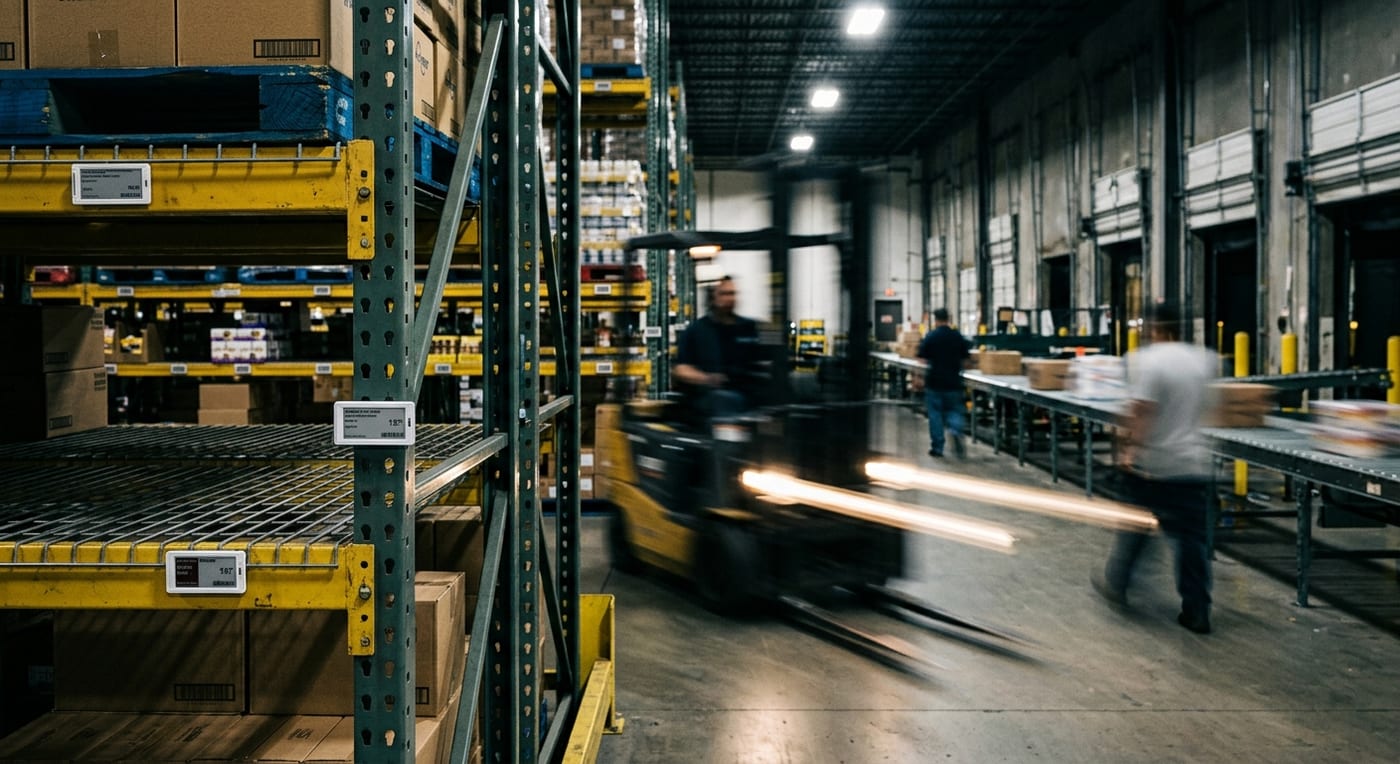
- Kroger is implementing digital shelf labels in 25% of U.S. stores to enhance operational efficiency and customer experience.
- Lawmakers are concerned about potential surge pricing and transparency issues arising from Kroger's digital pricing strategies.
- Kroger's upcoming earnings report may reflect consumer trends amid its technological advancements and legislative challenges.
Kroger Company (KR) is increasingly embracing technology in its operations, as evidenced by its recent implementation of digital shelf labels in approximately 25% of its U.S. grocery stores. This significant advancement marks a shift towards tech-driven solutions aimed at improving efficiency within the retail space. By adopting digital pricing strategies, Kroger seeks to streamline the price adjustment process, reducing manual labor associated with traditional shelf tag updates. The company positions itself to enhance the customer experience, responding to the evolving demands of the market, where quick price changes can be critical in a competitive landscape.
Lawmakers Raise Concerns Over Digital Pricing
Nevertheless, the rollout of this new digital labeling system has sparked a wave of scrutiny from federal and state lawmakers. Concerns primarily center around the potential for surge pricing on groceries, as the technology could alter how prices are communicated to consumers. Lawmakers fear that without adequate oversight, these changes might diminish pricing transparency, leaving customers uncertain about pricing practices. Kroger must navigate this complex regulatory environment while furthering its technological advancements.
The Balance of Innovation and Transparency
As Kroger continues to innovate, the balance between leveraging technology for improved efficiency and maintaining consumer trust in transparency poses its own challenges. The grocery giant's efforts come at a time when digital integration across sectors is becoming a common norm, yet it also highlights the crucial need for regulatory frameworks that ensure consumer protection. Kroger's next steps will be closely watched, particularly as the conversation around responsible pricing strategies in retail evolves.
In broader context, Kroger is set to release its first quarter earnings report on June 18, with analysts anticipating an earnings per share (EPS) of $1.59, signaling a potential increase from the previous year. Kroger's quarterly revenue is estimated to reach $45.49 billion, showing modest growth compared to the same period last year. This earnings announcement will not only provide insights into the company's financial health but may also reflect consumer trends amidst its new technological implementations.
As the company navigates its ongoing digital transformation while addressing legislative concerns, Kroger aims to solidify itself as a leader in the grocery sector. The successful integration of technology could pave the way for a more competitive and efficient operation, but it also highlights the need for transparency to reassure consumers of their pricing practices.
Related Cashu News

PriceSmart Expands in the Caribbean with New Warehouse Club in Dominican Republic
PriceSmart continues to strengthen its presence in the Caribbean region with the opening of its sixth warehouse club in the Dominican Republic. Situated in La Romana, approximately 73 miles from the c…

United Natural Foods Shows Profitability Improvements Amid Sales Decline and Strategic Partnerships
United Natural Foods (Ticker: UNFI) recently enhances its operational capabilities despite a decline in sales, highlighting a strategic partnership that may redefine its growth narrative. The company…

Target Sees Surge in Institutional Investment Amidst Strong Earnings and Strategic Initiatives
Target Corporation (Ticker: TGT) is experiencing a surge of institutional investment, reflecting renewed confidence among investors in the company's strategic direction and operational resilience. Rec…

Dollar General Reports Strong Earnings and Raises Guidance Amid Retail Challenges
Dollar General (Ticker: DG) showcases resilience in the current retail landscape, having recently reported strong first-quarter earnings that exceeded analyst expectations. The company’s performance r…