
Lamb Weston Holdings Restructures Operations in Europe Amid Challenging Market Conditions
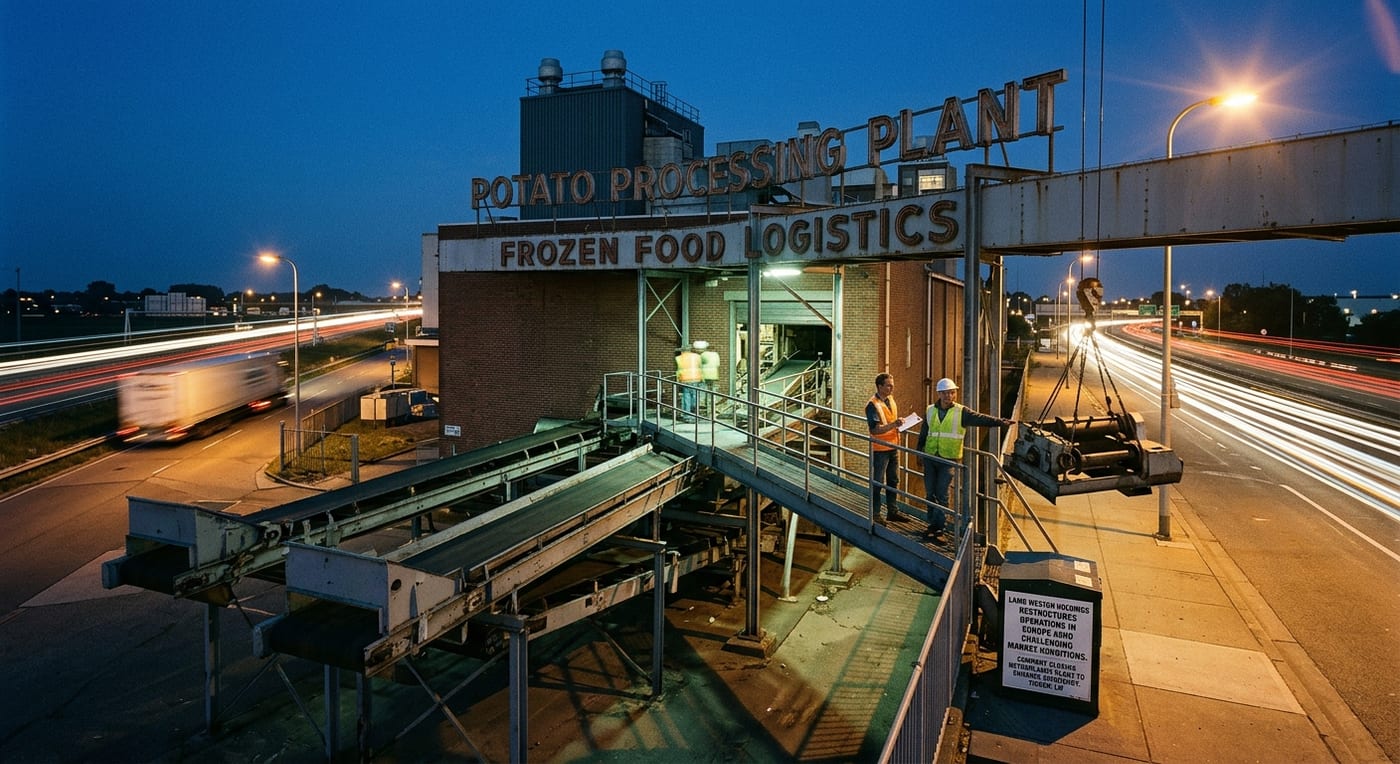
- Lamb Weston Holdings is restructuring operations in Europe to adapt to a challenging market environment and declining earnings.
- The company will close a production facility in the Netherlands, aiming to enhance efficiency and streamline operations.
- This strategic move reflects Lamb Weston's commitment to improving competitiveness amid fluctuating demand in the frozen food sector.
Lamb Weston Holdings, a leading player in the frozen potato industry, adapts to a changing market by restructuring its operations in Europe. The company acknowledges the difficult landscape, characterized by flat organic revenue and a drop in earnings per share, prompting a thorough reassessment of its operational strategies. In a significant move, Lamb Weston will shut down a production facility in the Netherlands. This decision is not simply about cutting costs; rather, it reflects a strategic intent to streamline the company’s operations and enhance efficiency across its European footprint.
Strategic Moves in Response to Market Challenges
The facility closure marks a critical step in Lamb Weston’s efforts to remain competitive as demand fluctuates across crucial markets. By optimizing its production capabilities, the company aims to better align its resources with current market needs while reducing operational redundancies. This restructuring effort is vital as Lamb Weston navigates challenges within the frozen food sector, signaling to investors that the company is proactively addressing evolving demand trends and striving for greater efficiency.
Monitoring the Impact on Market Positioning
As Lamb Weston proceeds with these changes, stakeholders will be closely monitoring the outcomes and adjustments that follow. The impacts of this restructuring go beyond immediate financial logistics; they are expected to influence the company's long-term market positioning within the frozen food industry. The decision demonstrates Lamb Weston’s commitment to not only adapt but also thrive amidst growing competition and fluctuating consumer preferences, suggesting a meticulous recalibration of strategies that will define the company’s future trajectory.
Conclusion
Overall, Lamb Weston’s restructuring strategy signifies a pivotal moment in its operational journey, potentially leading to improved resilience and competitiveness in the frozen food sector.
Related Cashu News

Constellation Brands Achieves Strong Q1 Growth Driven by Premium Beverage Sales
Constellation Brands (Ticker: STZ) exhibits remarkable momentum in the beverage alcohol sector, driven by robust sales of premium products like Modelo beer. The company reports an exceptional first-qu…

PepsiCo's pep+ Initiative Advances Regenerative Agriculture Goals and Enhances Community Wellbeing
PepsiCo (Ticker: PEP) is making significant advancements in sustainable agriculture through its Positive Agriculture (pep+) initiative, reflecting the company's commitment to environmental responsibil…

Coca-Cola and Marriott Announce Exclusive Global Beverage Partnership to Enhance Guest Experience
The Coca-Cola Company (Ticker: KO) and Marriott International, Inc. forge a significant global beverage partnership aimed at enriching guest experiences across Marriott properties. Strategic Partnersh…

General Mills Reports Strong Earnings Amid Mixed Outlook and Economic Challenges
General Mills Inc. (Ticker: GIS) showcases significant operational resilience as it navigates recent challenges, highlighted by its latest fiscal fourth-quarter results. The company reports adjusted e…