
Lowe's Innovates Amid Challenging Market Conditions
ED
Editorial
Cashu Markets·4 min read
TL;DR
- Lowe's reports strong online sales growth amid cautious DIY spending.
- Strategic initiatives include partnerships to enhance customer engagement and loyalty.
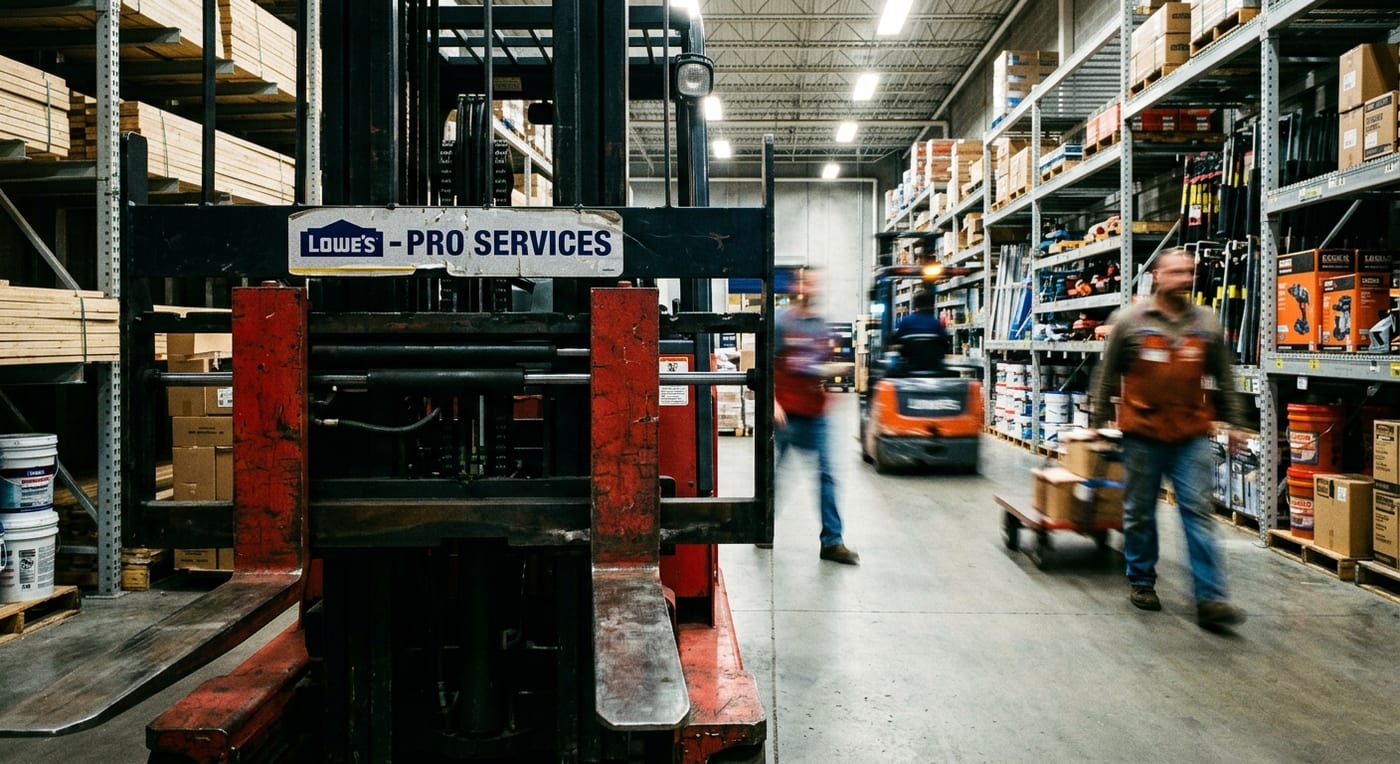
- Pro customer segment represents a key growth opportunity for Lowe's amidst economic uncertainty.
Lowe's Companies, Inc. (LOW) is drawing attention as the latest developments come into focus. Lowe's Companies, Inc. (LOW) faces a complex landscape as the home improvement retailer navigates mixed market signals and evolving consumer preferences. The company's latest earnings report indicates that while Lowe's has experienced growth in specific categories, overall consumer caution regarding DIY projects persists. A crucial aspect of Lowe's strategy is its focus on innovation and customer engagement, which has been instrumental in maintaining a competitive edge in a challenging environment. In this article, we will explore Lowe's recent performance, strategic initiatives, and how these elements align with macroeconomic trends affecting both the company and its customers.
Recent Performance Insights
In its second quarter of 2026, Lowe's reported net earnings of $2.4 billion, mirrored by an adjusted diluted EPS of $4.40. Notably, total sales surged to $26 billion, a considerable increase from $24.0 billion the previous year. While comparable sales rose by only 0.2%, the positive trajectory in online sales—up 15.7%—and strength in the Pro and home services segments are worth noting. CEO Marvin R. Ellison emphasized that this growth, amidst economic challenges, reflects powerful execution by Lowe's teams in advancing its Total Home strategy. These results underscore Lowe's ability to innovate and adapt its offerings in response to consumer needs.
However, the reliance on DIY consumers—who constitute about 60-65% of Lowe's revenue—creates a duality in its performance. The adverse impacts of rising interest rates and homes' unaffordability on consumer spending are evident, compelling Lowe's to broaden its appeal to professionals and contractors who prioritize consistent, project-based purchases. This focus on Pro customers is crucial, especially in an environment where many potential DIY projects can be delayed due to economic uncertainty.
Embracing Innovation and Consumer Engagement
To effectively engage its consumer base, Lowe's has initiated several pioneering programs aimed at enhancing customer loyalty and satisfaction. Notably, the 'Creator: Into the Blue' program invites creators to propose innovative products for Lowe's shelves, reinforcing the company's commitment to innovation. This initiative fosters a collaborative environment where unique ideas can flourish, allowing Lowe's to differentiate its product offerings amid a competitive marketplace. Another notable aspect of customer engagement is Lowe's partnership with Live Nation, which enhances its MyLowe's Rewards program by integrating live entertainment perks, thus creating a unique shopping experience that goes beyond mere transactions.
The combination of these initiatives speaks to a strategic pivot that aligns business objectives with the growing creator economy, effectively enhancing Lowe's brand appeal across diverse consumer segments. This is further illustrated in the company's ability to tap into increased online engagement and enhance loyalty programs that resonate with modern consumers.
Challenges and the Road Ahead
Despite these advances, Lowe's is not without its challenges. Record-high mortgage rates and home price inflation remain structural hurdles, creating an environment where fewer home buyers lead to reduced spending on major renovations. Employment costs also play into Lowe's expenditures, as the company must navigate both labor costs and capital investments while staying committed to providing value to its customers.
In addressing these issues, Lowe's has laid out a forward-looking outlook for 2026 that reflects cautious optimism. The company anticipates total sales to remain at approximately $92 billion and has adjusted its expected sales growth slightly downward from previous estimates. The focus on managing operational efficiencies and strategically capturing more of the professional market will be crucial, especially as macroeconomic factors continue to influence consumer spending habits.
Strategic Growth Through Acquisitions
Lowe's recent acquisitions also play a significant role in its growth trajectory. The purchase of Foundation Building Materials and Artisan Design Group positions Lowe's more firmly within the professional segment, where consistent demand is less susceptible to discretionary spending trends. As Lowe's integrates these new businesses, it aims to enhance operational capabilities and promote deeper customer connections within the Pro market.
This strategic move acknowledges the high potential in pursuing Pro customers, which could offset the volatility from the DIY slowdown. The home-improvement sector, valued at around $1 trillion, presents vast opportunities for Lowe's, particularly if it strengthens its competitive standing against smaller players and effectively expands its service offerings.
In conclusion, while Lowe's Companies, Inc. faces undeniable hurdles in the current economic landscape, its proactive strategies in innovation, customer engagement, and market expansion signal a commendable effort to navigate these challenges. The emphasis on diversifying revenue streams through professional services and enhanced customer experiences lays a robust foundation for long-term success. As the company continues to execute its Total Home strategy, investor outlook remains cautiously optimistic, particularly if broader economic indicators show signs of improvement. source