
Navigating Change: The PayPal Story
ED
Editorial
Cashu Markets·5 min read
TL;DR
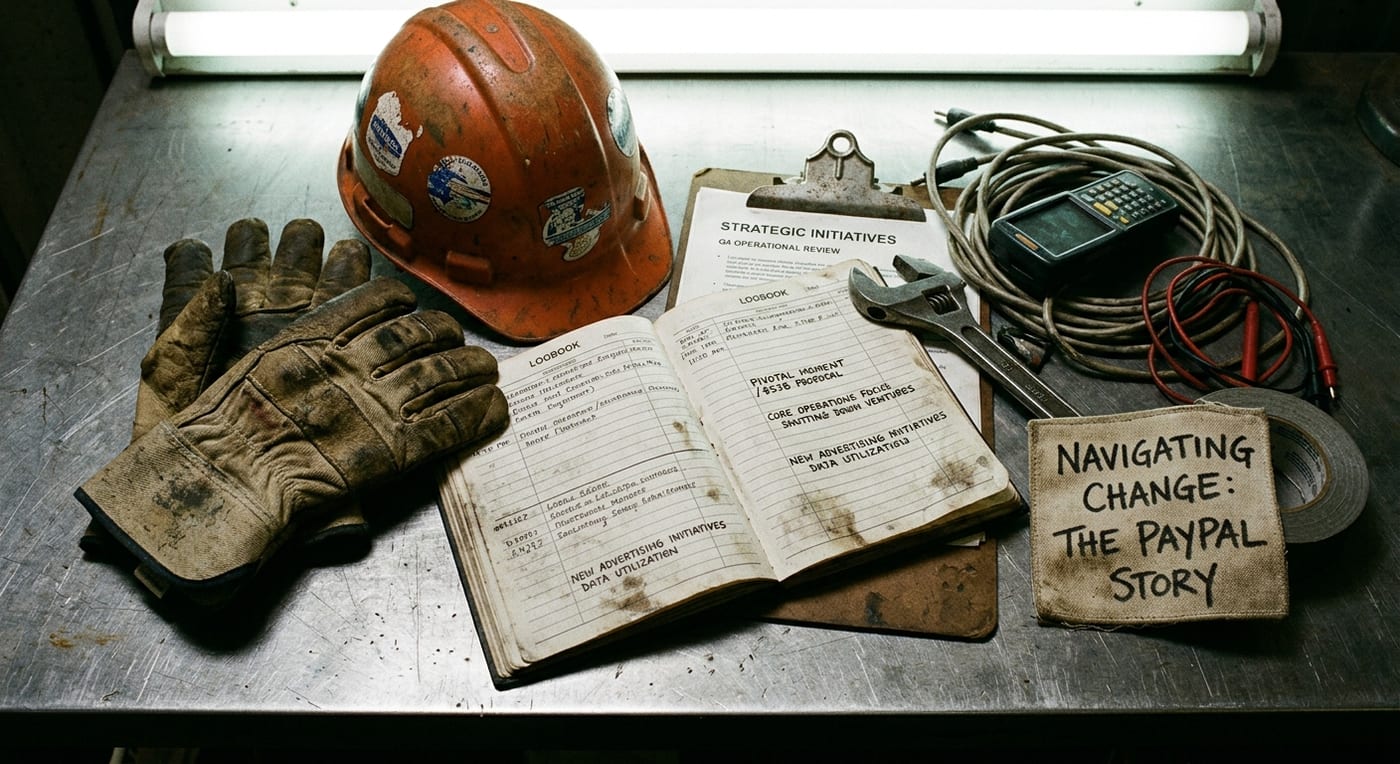
- PayPal navigates a pivotal moment with a $53 billion acquisition proposal.
- The company is refocusing on its core operations and shutting down ventures.
- New advertising initiatives leverage transaction data for enhanced marketing effectiveness.
PayPal Holdings, Inc. (PYPL) is drawing attention as the latest developments come into focus. PayPal Holdings, Inc. (PYPL) finds itself at a pivotal moment in its storied existence within the digital payment sector. Recent developments suggest a critical intersection of opportunity and challenge as the company navigates an acquisition offer while simultaneously implementing transformative internal reforms. With Stripe and Advent International proposing a $53 billion buyout, the discourse surrounding PayPal's strategic direction has intensified, prompting discussions regarding its long-term viability and shareholder value.
Understanding the Acquisition Landscape
The acquisition offer by Stripe and Advent International was announced to the market, causing a significant spike in PayPal's stock price, which surged approximately 17%. The suggested deal, priced at $60.50 per share, represents a noteworthy premium over the previous closing price, but according to analysts, it might undervalue PayPal considering its robust cash flow and assets. The ongoing discourse revolves around whether this offer signifies a warranted interest in acquiring a major player in the fintech landscape or a mere undervaluation of a company striving for a turnaround.
While some investors may find the proposed acquisition appealing, others argue that it is premature. PayPal has recently restructured its leadership and is exploring new operational strategies aimed at regaining its competitive edge. The company appointed Enrique Lores as its new CEO earlier this year, amidst declining stock performance, highlighting the need for a pivot in company strategy. Given these circumstances, the current discussions about a buyout raise critical questions about the potential trajectory of PayPal's operations and its capability to achieve long-standing growth objectives.
PayPal’s Strategic Shift
In the wake of increasing competition and market pressures, PayPal is taking decisive actions to reposition itself within the evolving financial technology landscape. The discontinuation of PayPal Ventures marks a significant strategy shift, focusing resources and attention back to its core business. This move aims to streamline operations, gaining efficiencies that could bolster profitability in a challenging market. Closing PayPal Ventures does not only signify a reduction in investment risk but underscores a serious commitment to enhancing the core digital payment services the company is renowned for.
Moreover, the closure of the venture division can potentially free up financial capital, allowing PayPal to reinvest in service improvement, further product development, and innovative marketing strategies. The recent growth of its advertising initiatives, supported by transaction data, exemplifies this strategic realignment. By leveraging insights gathered from millions of transactions, PayPal has embarked on enhancing advertising efficacy, providing marketers with a more data-driven approach toward consumer behavior.
Competitive Dynamics and Market Positioning
As PayPal seeks to strengthen its market position, recent partnerships have played a vital role in enhancing its service offerings. A notable collaboration with Shopware to facilitate e-commerce payment solutions further reflects PayPal’s strategy to integrate its payment systems into popular platforms. The Shopware Payments initiative, initially launched in Germany and Austria, aims to expand across Europe and the United States, showcasing the company's commitment to facilitating a seamless payment experience for its users.
By allowing merchants to manage a range of payment options, PayPal not only enhances user experience but also strengthens loyalty among retailers who rely on versatile payment solutions. This approach presents a substantial advantage in a marketplace characterized by varied consumer preferences for payment methods. PayPal's determination to maintain an open and non-exclusive payment solution aligns it desirably within a competitive landscape while simultaneously improving merchant operations.
The Investor Outlook Amidst Change
Investor sentiment appears cautiously optimistic as analysts assess the implications of the buyout proposal alongside PayPal’s strategic adjustments. Notably, institutional interest in PayPal has been aligned with growing investor confidence, seen through increased stakes amidst the proposed acquisition discussions. This factor points to a belief that the company's restructured approach under new leadership may yield fruitful returns despite the surrounding uncertainties.
The merger talks with Stripe and Advent raise critical implications for shareholder expectations. If the proposed acquisition is rejected on valuation grounds, it may prompt additional offers that could enhance shareholder value, transforming the current uncertainty into an advantageous scenario for investors. Conversely, the decision to defer a buyout could provide PayPal with the necessary runway to further establish its redefined strategy and strengthen operational performance.
Conclusion: A Pivotal Moment for PayPal
As PayPal navigates through this transformative stage, the implications of the company’s current actions can create a significant impact on its long-term positioning within the highly competitive digital payments industry. With the possibility of a buyout from Stripe and Advent looming over its operational horizon and strategic initiatives underway, PayPal finds itself uniquely positioned to either leap into a new chapter of growth or reinforce its identity within the fintech sector. In either case, the outcome is poised to provide critical lessons about adaptability and resilience in a rapidly changing financial technology landscape. The same pressure is reflected in recent reporting on the issue, which helps explain why the company's pricing decisions remain under scrutiny.