
NuScale Power: Nuclear Energy's Future Unfolding
ED
Editorial
Cashu Markets·5 min read
TL;DR
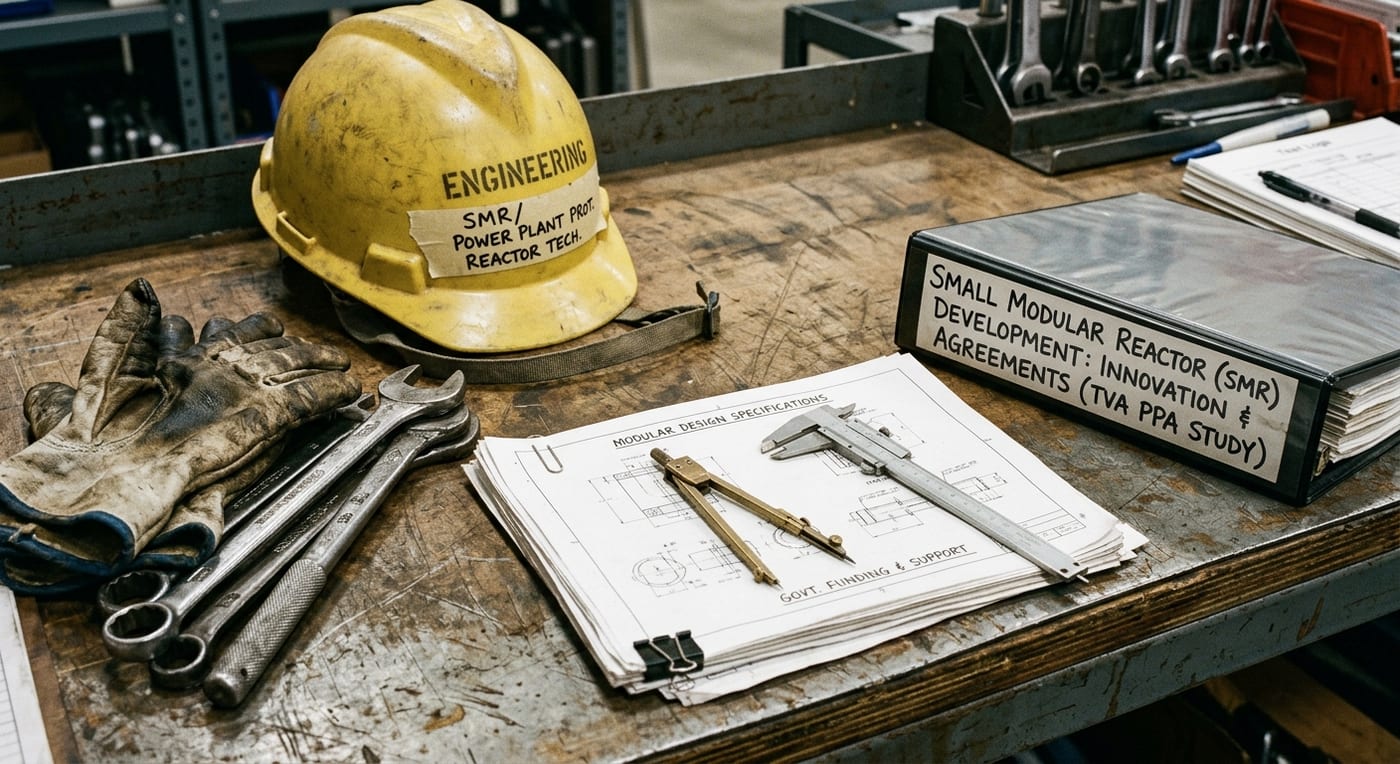
- NuScale Power is leading innovation in small modular reactors.
- The company is set to benefit from increasing governmental support for nuclear energy.
- A pending power purchase agreement with TVA could significantly impact NuScale's future growth.
NuScale Power Corporation ( SMR) is making significant strides in the evolving landscape of nuclear energy, propelling its innovative small modular reactor (SMR) technology into the spotlight. As the global demand for clean, reliable energy sources surges, the advantages offered by NuScale's unique reactors position the company as a leader in the transition towards sustainable energy solutions. This article delves into NuScale's strategy, recent challenges, market opportunities, and the external catalysts potentially influencing the company's trajectory.
Overview of NuScale Power Corporation
Founded in 2007, NuScale Power has emerged as a trailblazer in the nuclear energy sector, particularly with its revolutionary SMR technology. Unlike traditional large-scale nuclear reactors, SMRs can be manufactured in factories and transported to sites, improving safety and reducing construction timelines. The scalability of the NuScale Power Module™, which generates 77 megawatts of electricity, enables configurations that can be expanded to meet diverse energy needs, making them suitable for various applications including electricity generation, district heating, and hydrogen production.
This unique approach coincides with a growing appetite for reliable energy solutions amid increasing electricity demands, projected to swell 60% over the next two decades. Moreover, with rising government support highlighted in several reports, the nuclear sector is poised for a renaissance. Notably, U.S. government initiatives aim to significantly enhance nuclear power capacities, potentially quadrupling the current output.
Challenges in the Nuclear Sector
Despite these optimistic projections, NuScale faces challenges typical of the nuclear industry, which include high capital costs and prolonged construction times. Current estimates for developing nuclear facilities in the U.S. indicate costs reaching as high as $14,400 per kilowatt, which can deter investors. The nuclear fleet has dwindled in number; the U.S. saw the operational count fall from 112 to just 93 plants since 1990, compelling companies like NuScale to innovate and streamline their offerings.
Furthermore, as the renewable sector benefits from continuous advancements and decreasing costs, nuclear power must carve out its niche. The competition from sources such as solar and wind poses a significant challenge, as their Levelized Cost of Electricity continues to decline, while advanced nuclear remains static, highlighting the need for NuScale to emphasize its cost-effectiveness and reliability to investors.
Market Dynamics and Strategy
NuScale Power's strategy is deeply rooted in its forward-thinking approach and the integration of its small modular reactors into the national grid. A notable venture is its ongoing project with the Tennessee Valley Authority (TVA), where a contract signed in September 2025 aimed to develop a 6 GW SMR system. While the project is still in the early development stage, the expectation of a forthcoming power purchase agreement (PPA) is critical. A PPA would provide NuScale the surety of revenue and access to capital necessary for constructing the facility, a pivotal move given the company's current market position.
The current urgency for sustainable solutions amidst rising electricity demands, particularly from burgeoning sectors like AI that are expected to significantly increase energy consumption, aligns perfectly with NuScale's core competencies. The role of government support cannot be overstated, as highlighted in various reports detailing the increasing focus on bolstering the nuclear sector. As the United States ramps up its nuclear ambitions, driven by executive mandates and financial incentives, NuScale stands to gain substantially from this favorable policy environment.
Future Prospects and Investor Outlook
Investors are keenly observing the trajectory of NuScale Power and its response to market pressures. The company's recent stock price fluctuations have been notable, with shares dropping significantly. However, as analysts speculate about a potential doubling of the stock price contingent on signing the crucial PPA with TVA by the end of 2026, there is a palpable sense of urgency regarding this development. The strategic alliance with TVA, coupled with continued government backing for nuclear technologies, creates a potentially lucrative outlook for NuScale.
The import of forming partnerships, as previously explored, cannot be underestimated. For instance, NuScale is expected to collaborate with various stakeholders to enhance its market presence and address the increasing energy demand. By aligning itself with established utilities and entering new markets, NuScale could broaden its operational footprint.
Conclusion: Navigating the Path Forward
In conclusion, NuScale Power Corporation is navigating a complex landscape marked by both immense opportunity and notable challenges. The imperative for sustainable, reliable energy, coupled with governmental support that underscores the nuclear industry's renaissance, positions NuScale favorably. As the company continues to innovate and pursue key partnerships, the next few years will be critical. The aspiration to sign binding agreements such as the pending PPA with TVA could set the stage for transformative growth, enabling NuScale to capitalize on the burgeoning nuclear energy market.
With a dynamic business model poised at the intersection of reliability and innovation, NuScale Power is well-equipped to play a vital role in the future of energy production. The same pressure is reflected in recent reporting on the issue, which helps explain why the company's pricing decisions remain under scrutiny.