
Peabody Energy Faces Significant Hurdles
ED
Editorial
Cashu Markets·5 min read
TL;DR
- Peabody Energy grapples with production challenges at Centurion mine.
- Class action lawsuits increase legal pressure on the company.
- Strategic financial maneuvers aim to stabilize operations amid turmoil.
Peabody Energy Corporation BTU is experiencing a tumultuous period marked by critical operational challenges and legal entanglements that pose significant risks to its future. The company, which has long been recognized as a key player in the international coal market, is now grappling with unforeseen obstacles primarily centered around its Centurion mine in Queensland, Australia. This pivotal asset was initially projected to bolster Peabody's output and reinforce its market position. However, recent developments have raised serious concerns about the company's operational viability and investor trust. As Peabody navigates these turbulent waters, understanding the implications of these challenges is crucial for stakeholders and potential investors alike.
Operational Challenges at Centurion Mine
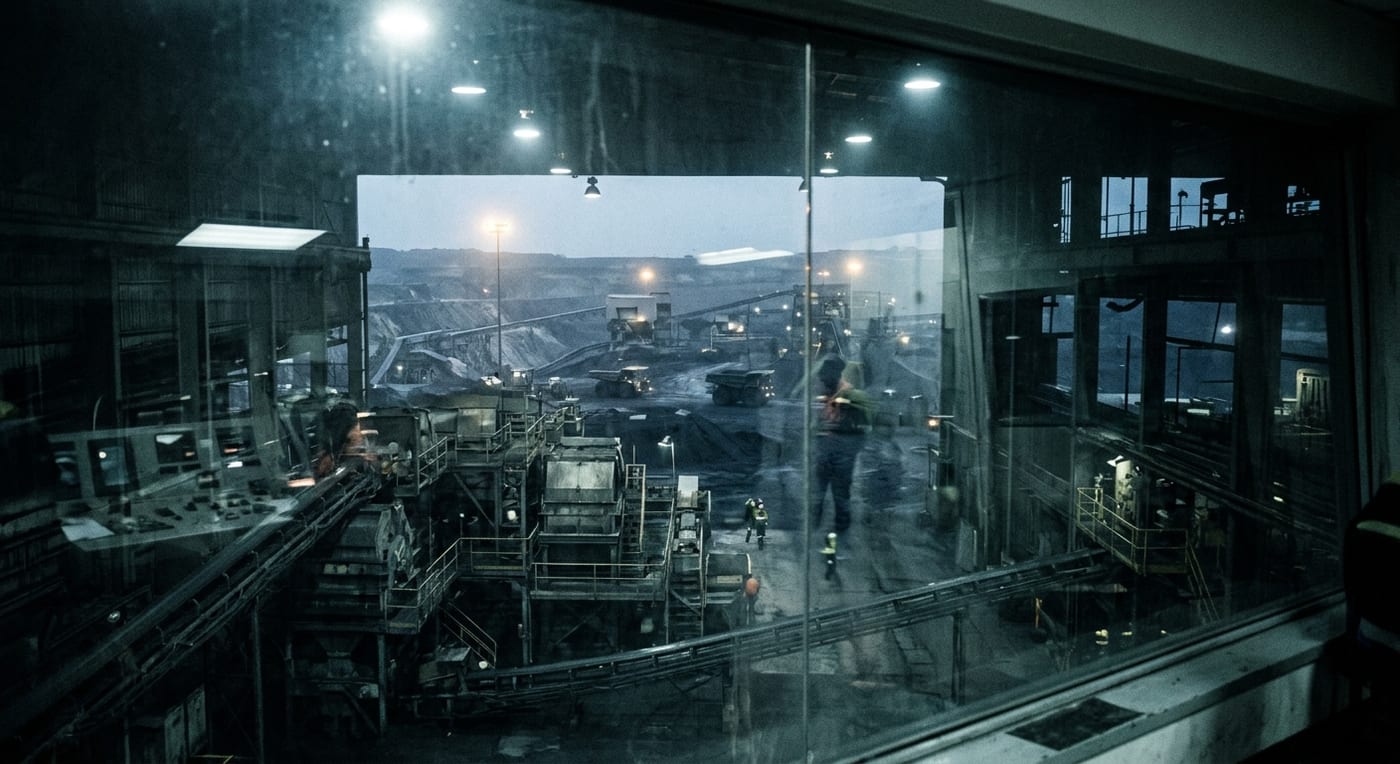
Central to the current issues facing Peabody Energy is the Centurion mine, which had initially been forecasted to produce approximately 700,000 tons of coal in the first quarter of 2026. However, this estimate has been slashed to just 250,000 tons due to significant mechanical and electrical commissioning challenges. This drastic reduction was publicly announced on March 30, 2026, leading to an immediate backlash reflected in the stock market as Peabody’s share price plummeted nearly 10% in just one trading session. The circumstances surrounding this production shortfall illustrate a worrying trend in Peabody’s operational management, as investor confidence wanes significantly amidst revelations of internal struggles.
The mechanical failures and delays have not only hampered current production but also raise serious questions about the strategic planning and execution at Peabody. The company’s viability as a market leader in the coal sector is under scrutiny, as it attempts to reassure stakeholders about its long-term prospects. Furthermore, citing ''greater-than-anticipated mine commissioning challenges'' in their communications, Peabody has seemingly softened its previous optimistic forecasts, compounding concerns about transparency and reliability from its leadership team.
Legal Implications from Production Issues
Further complicating the situation is the fact that Peabody Energy is entangled in multiple class action lawsuits that target its executives for allegedly misleading investors about the production capabilities of the Centurion mine. According to the lawsuits, the executives made statements that painted an overly positive picture of the mine’s operational readiness while neglecting to disclose critical issues that were hindering its ramp-up to full production capacity. This legal pressure coincides with the financial instability broiled by the company's production misfortunes, heightening the stakes for those invested in Peabody.
As detailed in a recent securities fraud class action lawsuit, the company allegedly failed to disclose the myriad of issues plaguing the Centurion mine at a time when they were pushing forward optimistic projections. Investors who relied on these statements may now face substantial financial losses, as the stock price has seen sharp declines following the poor production announcements.
A troubling timeline underscores Peabody's lack of transparency. On May 5, 2026, the company further adjusted its sales outlook for the Centurion mine, cutting expected full-year sales from 3.5 million tons to 2.5 million tons. This adjustment marked yet another blow to investor trust and a clear indication that the operational struggles were more profound than initially communicated.
Financial and Strategic Ramifications
Peabody has secured a $700 million bond facility to improve its liquidity in response to these challenges, a strategic maneuver aimed at stabilizing its financial position. While this move appears to be a positive step, it also highlights the immediate necessity for the company to shore up its financial resources amid declining production and mounting legal costs. The stability provided by this bond facility may serve as a lifeline, allowing Peabody to navigate its operational crises, at least temporarily.
Investors must now weigh these financial maneuvers against the backdrop of the ongoing lawsuits and production shortfalls. The capital raised from the bond may indeed provide some breathing space, but the underlying issues affecting production remain unresolved, and any swift return to operational normalcy seems elusive. Investors and analysts alike have growing concerns about Peabody’s long-term strategy, especially as it pertains to its flagship asset, the Centurion mine.
Investor Outlook
As investors consider their options, the current environment presents a stark contrast to the more optimistic forecasts that may have flourished just months prior. With the imposition of legal challenges and continuing production setbacks, Peabody’s overall investor outlook is decidedly bleak. The prospect of a further decline in stock price remains real, begging the question of whether investors can find reprieve amidst the company's ongoing operational turbulence.
It's essential for current and prospective investors to thoroughly assess the implications of Peabody Energy’s current standing before making any financial commitments. The operational challenges at Centurion, compounded by legal entanglements and a shifting financial landscape, present a complex risk profile that warrants careful consideration. Those navigating this uncertain environment would be wise to keep abreast of ongoing developments, particularly as the company grapples with immense pressure on multiple fronts.
In conclusion, Peabody Energy Corporation is at a critical juncture in its operational history, presenting both challenges and strategic pivot points that will define its future trajectory in the tumultuous coal market. Investors should remain vigilant as the company seeks to navigate through these stormy waters and strive for recovery. The same pressure is reflected in recent reporting on the issue, which helps explain why the company's pricing decisions remain under scrutiny.