
Peabody Energy's Ongoing Struggles
ED
Editorial
Cashu Markets·4 min read
TL;DR
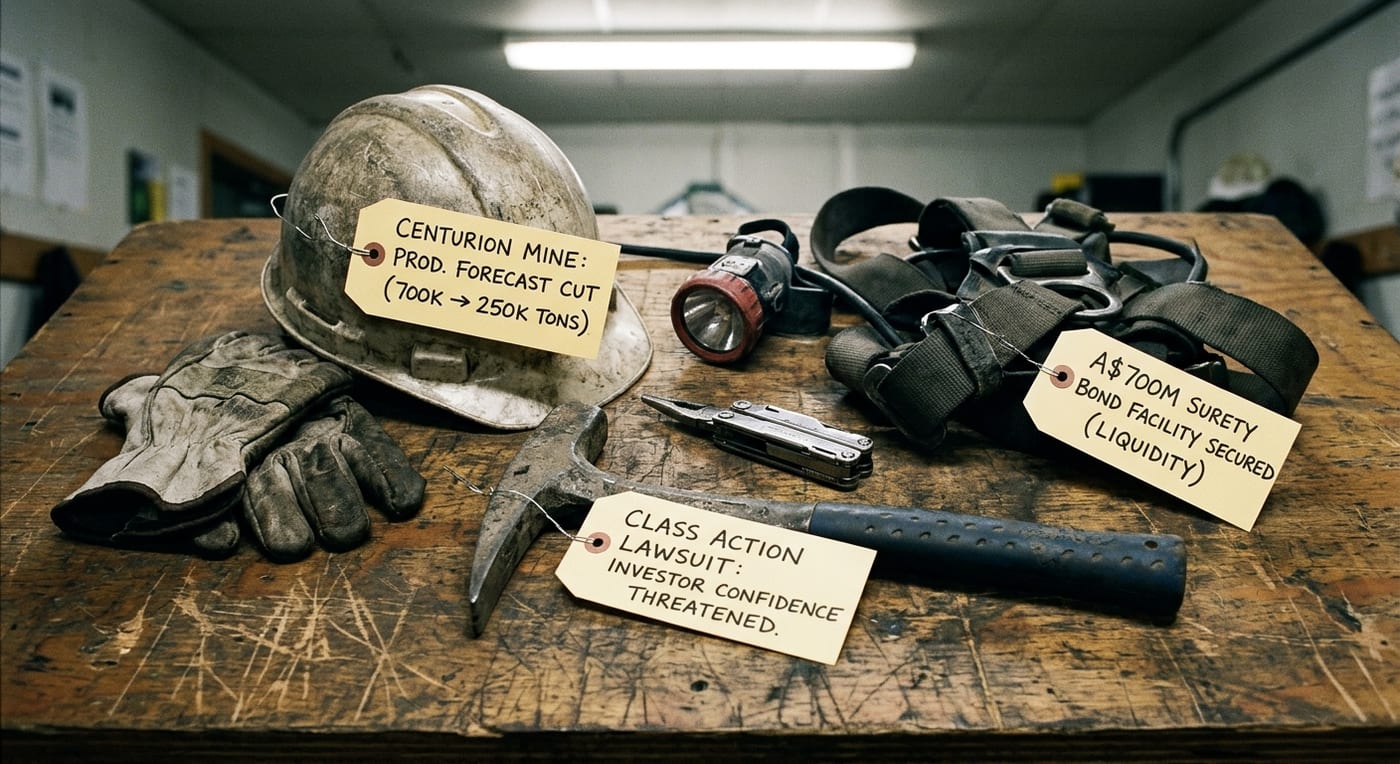
- Peabody's Centurion mine cuts production forecast from 700K to 250K tons.
- Class action lawsuit threatens investor confidence amid operational struggles.
- A$700 million surety bond facility secured to enhance liquidity.
Peabody Energy Corporation (BTU) currently finds itself grappling with significant operational and legal challenges that threaten its market position and investor confidence. Central to the company’s plight is its Centurion mine in Queensland, Australia, where production forecasts have been dramatically slashed due to unforeseen commissioning issues. In this article, we explore the critical aspects of Peabody’s current situation, the repercussions on its financial outlook, and the broader implications for its stakeholders.
Overview of the Centurion Mine's Challenges
Peabody Energy's Centurion mine was initially projected to produce about 700,000 tons of coal by the first quarter of 2026. However, after an announcement made on March 30, 2026, this estimate was downgraded to a mere 250,000 tons due to "greater-than-anticipated mine commissioning challenges." These challenges include significant mechanical and electrical issues that have stymied ramp-up operations, accentuating the operational miscalculations by Peabody’s management. The stock market reacted swiftly, with Peabody's share price plummeting nearly 10% in a single session following the adjusted guidance.
The drastic revisitation of expectations at the Centurion mine is an alarming signal not just for Peabody's immediate financial health but also for future profitability and credibility in the eyes of investors. With mines operating below capacity and indicators pointing to ongoing operational difficulties, Peabody's production strategy is increasingly under scrutiny.
Legal Woes Cumulatively Compounding Issues
As management focuses on overcoming these operational hurdles, a class action lawsuit looms over Peabody Energy, alleging that the company and its executives engaged in securities fraud. Specifically, the allegations suggest that investors were misled with overly optimistic projections of the Centurion mine’s output while failing to disclose critical operational struggles.
This situation presents a two-fold dilemma: not only are investors reeling from slashed production targets, but they also find themselves entangled in a legal web questioning the integrity of the company's communications. The lawsuit, which has garnered attention from several law firms, highlights the waning investor confidence that could further affect Peabody’s prospects. For instance, allegations include that misleading statements led shareholders to purchase Peabody's stocks at inflated prices, which then plummeted once the realities of the situation surfaced.
Financial Implications and Responses
In the face of mounting legal pressures and operational setbacks, Peabody Energy has taken steps to enhance its financial flexibility by securing a substantial A$700 million surety bond facility. This facility aims to improve liquidity amid the ongoing operational crisis at the Centurion mine, allowing Peabody to better manage its cash flow during a precarious period.
The necessity for such a financial cushion underscores the severity of Peabody's situation. While the surety bond is a tactical move, it does not erase the fundamental issues affecting its prospects; instead, it may only serve as a temporary buffer against further declines in operational execution. Investors are cautious, particularly as the stock’s volatility continues to reflect underlying uncertainties regarding Peabody’s operational strategy and resilience in the face of both legal and production challenges.
Sector Dynamics: Impact on Peabody Energy's Market Position
The situation at Peabody Energy exemplifies broader challenges within the coal industry, as fluctuating demand and stringent regulatory environments weigh heavily on companies reliant on fossil fuels. With market trends increasingly favoring cleaner energy sources, Peabody’s reliance on coal production may hinder its long-term strategies if not aligned with evolving industry expectations. This reality manifests starkly in investor behavior, where stakeholders seek reassurances and visibility into Peabody's plans to adapt to these changes.
The connection between Peabody's operational difficulties and the sectoral shift creates a compounded pressure on the company. As the energy sector pivots towards sustainability, Peabody's ability to navigate through its current challenges will play a pivotal role in determining its future market share and relevance within a transformation that appears to be gaining momentum.
Conclusion: A Critical Juncture for Peabody Energy
Peabody Energy's current predicament reflects a convergence of operational setbacks, investor dissatisfaction, and potential legal ramifications stemming from a lack of transparency regarding the challenges faced at the Centurion mine. As these issues unfold, the way Peabody addresses its operational inefficiencies and legal exposure will be crucial in shaping its recovery and future prospects. Investors will be closely monitoring the situation, particularly as Peabody seeks to regain market confidence while repositioning itself amid a rapidly changing energy landscape. The same pressure is reflected in recent reporting on the issue, which helps explain why the company's pricing decisions remain under scrutiny.