
PepsiCo's Path Amidst Competitive Challenges
ED
Editorial
Cashu Markets·5 min read
TL;DR
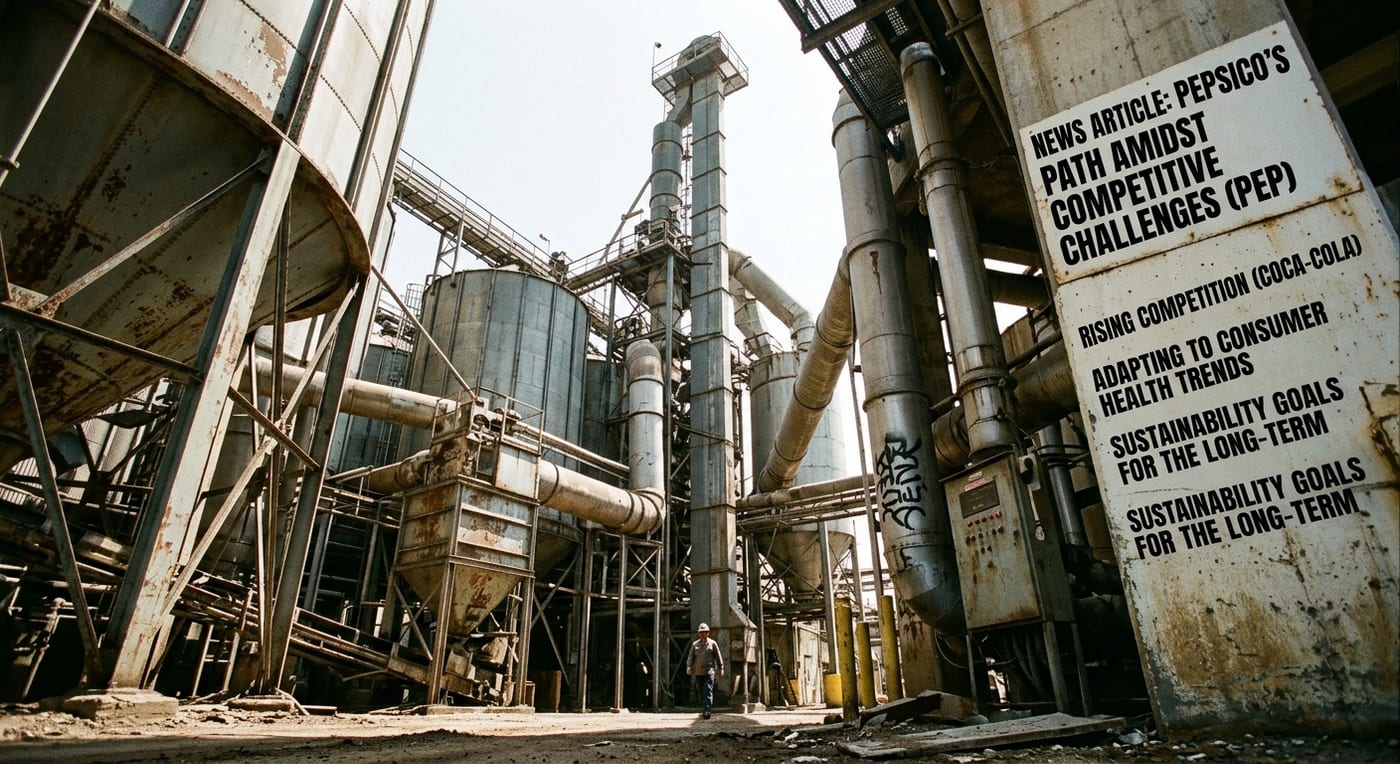
- PepsiCo faces rising competition, particularly from Coca-Cola.
- The company is adapting to changing consumer preferences towards health.
- PepsiCo's sustainability initiatives aim for significant long-term goals.
PepsiCo, Inc. ( PEP) has faced a complex and challenging landscape characterized by intensified competition and shifting consumer preferences, leading to a pressing need for strategic reassessment and innovation. As the company navigates a multifaceted market environment, it becomes crucial to understand the nuances of its operations, financial performance, and future outlook. This detailed exploration delves into the current dynamics affecting PepsiCo's business, analyzing competitive pressures primarily from Coca-Cola, identifying key market trends, and examining the company's sustainability initiatives.
Competitive Pressures: Coca-Cola's Dominance
The beverage industry has long been a battleground between PepsiCo and Coca-Cola, with both companies vying for consumer loyalty and market share. Recently, Coca-Cola has taken a commanding lead, buoyed by a more focused operational strategy that prioritizes beverages while PepsiCo’s broad portfolio includes significant investments in its snack division. This differentiation has yielded contrasting financial results; while Coca-Cola's stock has surged approximately 31% over the past two years, PepsiCo's shares have declined by over 19% during the same period. This disparity is attributed to differing market strategies, with Coca-Cola adopting a streamlined approach and relying primarily on third-party bottling, allowing for higher net margins.
In contrast, PepsiCo has seen a decline in its core operating margin, which slipped to 16.8%, compared to Coca-Cola's operating margins that have widened significantly. This structural difference in business models is critical not only as a point of comparison but also in gauging the intrinsic value and investor sentiment toward PepsiCo. As highlighted in recent analyses, while PepsiCo offers a lower price-to-earnings ratio and a higher dividend yield compared to Coca-Cola, the ongoing performance metrics suggest a more challenging path ahead. Investors' confidence in PepsiCo's ability to adapt and regain its competitive footing will be vital in these turbulent times.
Adapting to Consumer Trends
Simultaneously, PepsiCo has been undergoing significant transformations in response to changing consumer preferences towards healthier and more sustainable food options. The rising popularity of health-conscious eating, driven in part by the adoption of weight-loss medications, is reshaping the food landscape. Many consumers are now opting for smaller meal sizes, which presents both a challenge and an opportunity for PepsiCo to innovate its product offerings and market strategies.
In recent earnings reports, PepsiCo acknowledged the need to rethink its portfolio, responding to the growing demand for healthy snacks and meals. The company's adaptability is crucial as it seeks to balance profitability with consumer health trends while ensuring that its diverse brand offerings remain relevant. This strategy aligns with the increasing pressure on food and beverage companies to cater to health-conscious consumers, as seen across the industry. Following consumer demands not only helps enhance PepsiCo's market positioning but is also likely to influence its financial trajectory positively.
Sustainability Initiatives: pep+ and Beyond
PepsiCo’s commitment to sustainability has intensified under its pep+ initiative, which focuses on regenerative agriculture practices and aims to significantly enhance supply chain sustainability. Recent accomplishments include scaling regenerative agricultural practices across 4.7 million acres, with an ambitious target of 10 million acres by 2030. The initiative emphasizes partnerships that strengthen farmer livelihoods and contribute to a more sustainable food system, which resonates with today's environmentally aware consumers.
This approach to sustainability—integrating eco-friendly practices into operations—reflects the company's broader commitment to corporate responsibility. Jim Andrew, PepsiCo's Chief Sustainability Officer, notes that these efforts are fundamentally about creating positive changes for communities and environments, moving beyond mere compliance to achieve real impact.
Additionally, this sustainable strategy intersects with PepsiCo's potential for market differentiation. As consumer demand grows for environmentally responsible products, companies that actively engage in sustainability can enhance brand loyalty and potentially command premium pricing, which can offset current margin pressures. Analysts believe that PepsiCo’s proactive stance on sustainability can pave the way for more resilient future operations.
Investor Sentiment and Future Outlook
Despite these advancements, concerns linger regarding PepsiCo's ability to compete effectively with Coca-Cola and address the pressures from rising ingredient costs and changing consumer preferences. The company's recent earnings report highlighted organic revenue growth of merely 2.4%, in stark contrast to Coca-Cola’s 6% growth, raising eyebrows among analysts regarding PepsiCo’s profitability trajectory.
The market's valuation of PepsiCo has been narrowed due to a combination of rising competition and softening performance metrics. Observers note that operational efficiency must be bolstered, particularly as PepsiCo manages its broader portfolio against Coca-Cola's more concentrated strategy. The juxtaposition of a robust dividend yield with a necessary strategic reevaluation underscores the complexities that investors face when considering their engagement with the stock.
Furthermore, should PepsiCo overcome current hurdles through innovative product offerings and streamlined operations, there lies a potential avenue for renewed investor confidence and valuation improvement. The market’s sentiment is delicate, and understanding the underlying causes of PepsiCo's declining stock performance is essential for any investor contemplating the company’s future.
In conclusion, as PepsiCo navigates this intricate landscape surrounded by competitive pressures and changing consumer demands, its multifaceted strategies encompassing health, sustainability, and innovation will ultimately define its resilience. Investors will undoubtedly keep an eye on how well PepsiCo aligns its operations with evolving market expectations, as this will determine its ability to reclaim its footing in a highly competitive industry landscape. For further insights into how PepsiCo is adapting to these challenges, check the detailed article PepsiCo's Strategic Shifts Amid Competitive Pressures
to understand the broader context of the company's current position. The same pressure is reflected in recent reporting on the issue, which helps explain why the company's pricing decisions remain under scrutiny.