
Portland General Electric Faces Regulatory Changes Impacting Large Power Users and Sustainability Efforts
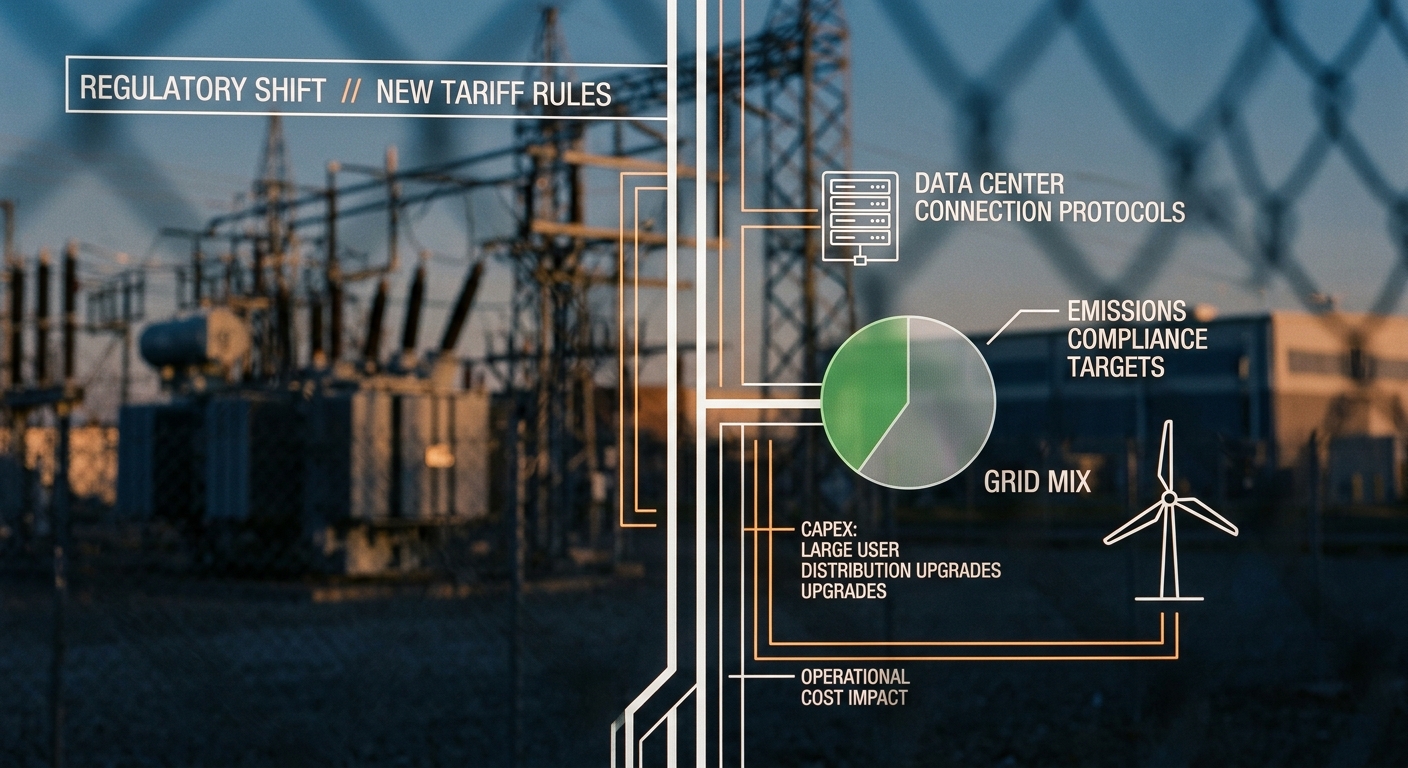
- Portland General Electric faces new tariff rules affecting large power connections, particularly for data centers and emissions regulations.
- Large customers must cover their distribution upgrades, impacting operational costs and pushing for sustainability.
- The changes could drive innovation in energy efficiency while the utility focuses on a resilient, clean energy grid.
Portland General Electric Company (POR) faces significant regulatory changes as the Oregon Public Utility Commission implements new tariff rules impacting large power connections, particularly for data centers. These regulations tie energy consumption to emissions and clean energy mandates, creating a pivotal shift in how energy costs are structured for substantial users. Under the new rules, large customers will bear the financial responsibility for their own distribution upgrades, potentially altering the operational cost dynamics of businesses that rely heavily on Portland General Electric's services. This transformation emphasizes a clear push toward sustainability and accountability in energy consumption, marking a significant transition for the utility sector in the region.
Navigating New Tariff Regulations
The regulatory shift poses both challenges and opportunities for Portland General Electric. By ensuring that data centers and other heavy power users contribute to their infrastructure costs, the company aims to promote greater utilization of clean energy practices. These new tariffs could incentivize businesses to invest in more efficient technologies or renewable energy sources, ultimately benefiting the environment while aligning with state-wide efforts to reduce emissions. Amid these changes, the utility remains focused on developing a more sustainable and resilient electric grid, ensuring they meet demanding energy needs while committing to cleaner practices.
Impact on Large Consumers
However, the landscape for large consumers of electricity will inevitably shift as they adapt to these new financial obligations. Portland General Electric's customers will need to re-evaluate their cost structures and energy strategies, which could spark innovation in energy use and efficiency. While the company has demonstrated a strong performance, reporting a year-to-date shareholder return exceeding 20%, the implications of these tariff changes are complex and require careful navigation to ensure both shareholder and customer satisfaction in the long term.
Related Cashu News

Vistra Partners with Helix to Enhance Power Solutions for AI-Driven Data Centers
Vistra Corp (Ticker: VST) solidifies its role in the technology sector through a strategic partnership with Helix Digital Infrastructure, a significant initiative valued at approximately $10 billion a…

Alliant Energy's Strategic Tariffs Position It to Meet Growing Energy Demands Effectively.
Alliant Energy (Ticker: LNT) has recently gained attention for its forward-thinking strategies in managing energy tariffs and contract structures. A white paper from The Brattle Group provides a thoro…

American States Water Company Increases Dividend and Projects Positive Earnings for 2026
American States Water Company (Ticker: AWR) bolsters its reputation in the utility sector with a recent announcement of a dividend increase, signifying its commitment to enhancing shareholder value. T…

PSEG Enhances Resilience Against Storms with Infrastructure Upgrades Ahead of Hurricane Season
Public Service Enterprise Group (Ticker: PEG) demonstrates its commitment to enhancing resilience against extreme weather conditions with strategic upgrades ahead of the 2026 hurricane season. Strengt…