
Roblox's Age Verification Crisis
ED
Editorial
Cashu Markets·5 min read
TL;DR
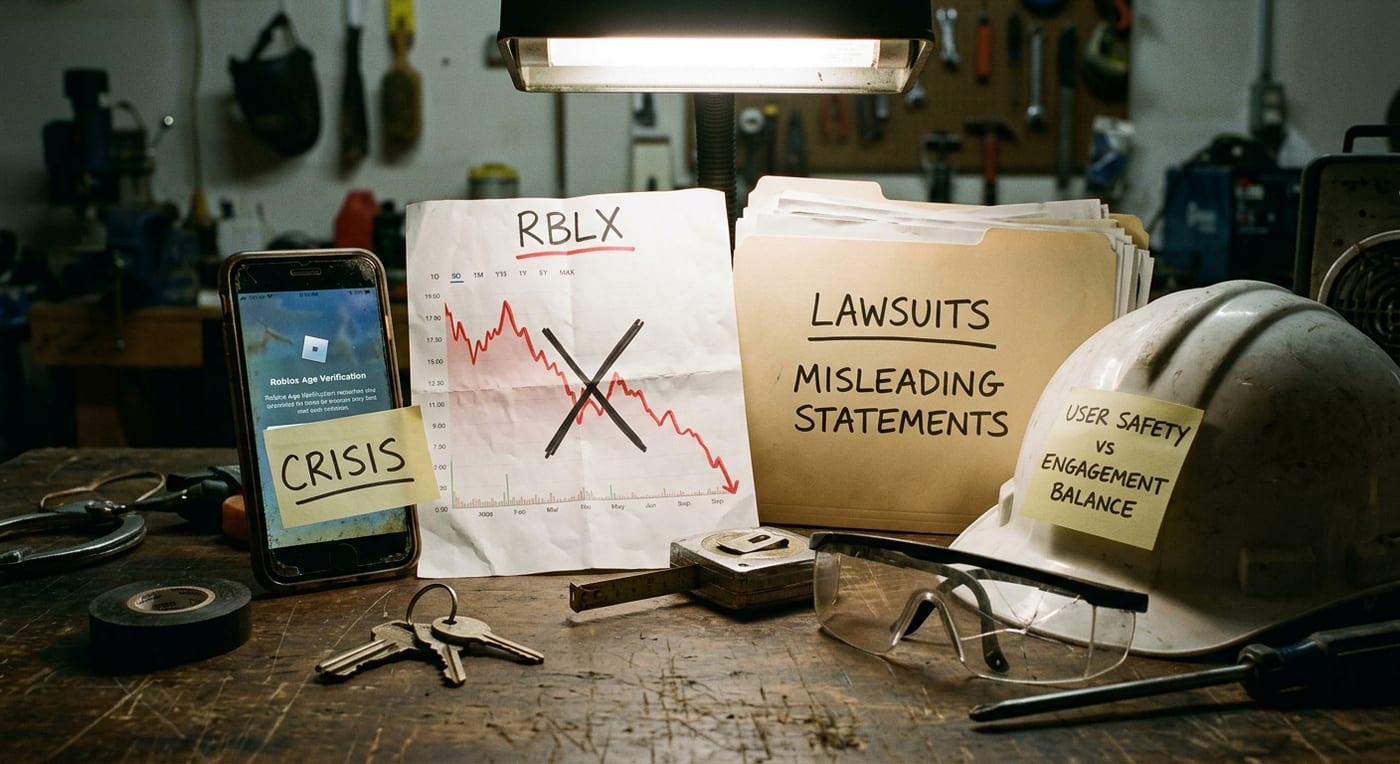
- Age verification rollout led to a significant drop in stock value.
- Legal challenges arising from investor lawsuits over misleading statements.
- Future strategies hinge on balancing user safety with engagement.
Roblox Corporation (RBLX) has found itself at a critical juncture following its recent rollout of age verification measures aimed at enhancing user safety on its platform. While the initiative initially promised to create a safer environment for the predominantly young audience, it has inadvertently led to a significant decline in user engagement and investor confidence. This article delves into the ramifications of these events and explores how they have affected Roblox's operational dynamics, future strategies, and investor outlook.
The Introduction of Age Verification: A Double-Edged Sword
In 2026, Roblox implemented stringent age verification measures described by the company as the 'gold standard' for user safety. However, this initiative has not unfolded as anticipated. The age verification system, which was expected to be seamless, has faced criticism for creating friction that deters new users from engaging with the platform. Following the rollout, Roblox reported a staggering 18% drop in stock value, equating to approximately $6.7 billion in market capitalization being wiped out in just one day. Such a drastic drop underscores the disconnect between user preferences and the company's safety measures. Investors were quick to respond, and the fallout from this age verification rollout offers a glimpse into Roblox’s vulnerabilities in a rapidly evolving online landscape.
User Engagement Challenges
The age verification rollout has produced mixed results, with adoption rates of just 51% among global daily active users shortly after the launch. When previously, Roblox had touted its robust user engagement metrics, the age verification measures led to reduced app store ratings and diminished user retention. The adverse effects on app store ratings have had knock-on effects, resulting in a drop in organic sign-ups and overall engagement. This was particularly highlighted in the recent analysis, showcasing that the initiative, meant to secure the platform, paradoxically diminished engagement levels.
The age verification process has also led to controversies, including legal challenges. According to reports, during this tumult, shareholders have initiated class action lawsuits against Roblox, alleging that the company and certain executives misled investors regarding the expected performance of the platform and the growth rates amidst the age verification rollout. Investors claim that statements made about the growth potential and public perception of Roblox were significantly misleading. For a deep dive into the legal ramifications faced by Roblox, refer to the ongoing class action discussions highlighted here: Roblox Corporation (NYSE: RBLX) Investors Legal Update.
Impact on Financial Performance
The financial repercussions following the rollout were immediate and pronounced. In the first quarter of 2026, Roblox slashed its revenue guidance and forecasted bookings growth significantly lower than anticipated. The operational feedback mechanisms that had once been a stronghold for Roblox, including user-generated insights and community engagement, faced significant headwinds. As the company witnessed its revenue estimates tumble, the broader investor sentiment reflected a lack of confidence in management’s ability to navigate through challenges effectively. The reliance on viral events for user growth and engagement, which had previously buoyed the company, is now under scrutiny.
Moreover, the legal challenges could further complicate Roblox's financial strategies moving forward. The firm’s poor performance recently has prompted investigations into the validity of the company’s financial disclosures and the governance practices surrounding them. Many analysts are now speculating how these ongoing challenges might shape Roblox's financial landscape in the coming years.
Competitive Landscape and Future Outlook
The fallout from Roblox’s age verification fiasco has broader implications for the gaming industry, especially as regulatory scrutiny intensifies across social and gaming platforms. The discussions surrounding age verification and online safety resonate well beyond Roblox, as all major players grapple with similar challenges regarding user safety and data privacy. As a leading figure in the gaming landscape, Roblox's strategy moving forward must place an emphasis on not only adapting to regulatory pressures but also on preserving user engagement rates.
The regulations surrounding online interactions could pivot the competitive landscape, especially as platforms like TikTok face their own regulatory hurdles, potentially affecting how users engage with various applications, including Roblox. The lessons learned from the age verification controversy may influence how Roblox and its competitors adapt their business models to prioritize safety without sacrificing user experience. This evolving dynamic outlines a necessity for Roblox to address both user safety and growth strategies harmoniously.
Conclusion: Navigating Uncertainty
Roblox Corporation is at a crucial crossroad, attempting to navigate the complex intersection of user safety and engagement. The unintended consequences of its age verification rollout serve as a critical reminder of the importance of aligning strategic initiatives with user expectations and experiences. As the company confronts growing operational challenges coupled with legal scrutiny, the way forward will require not only innovation but also transparency with its investor community. The outcome of this scenario could redefine Roblox’s approach towards user growth, engagement, and regulatory compliance as it positions itself for the future amidst a competitive digital landscape.