
RTX Corporation's Strategic Defense Expansion
ED
Editorial
Cashu Markets·5 min read
TL;DR
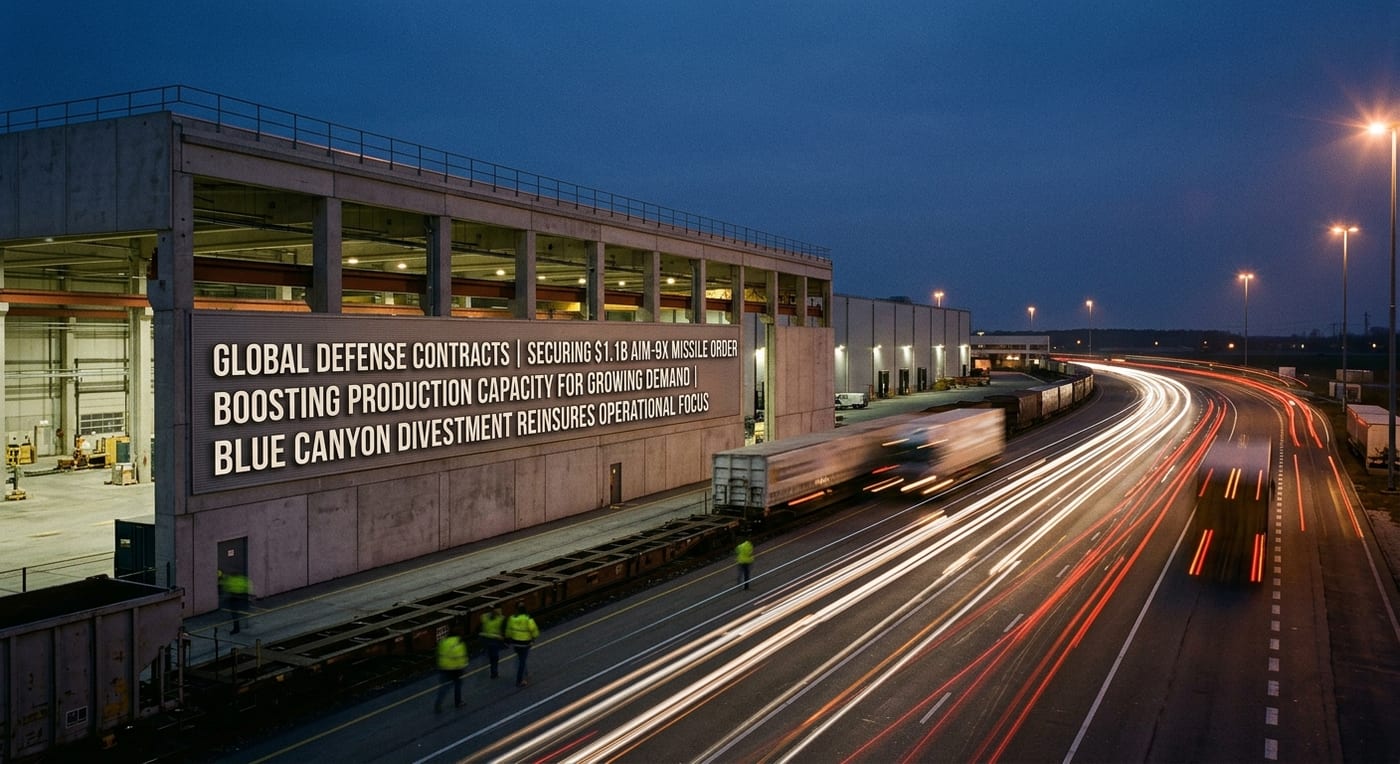
- RTX secures $1.1 billion contract for AIM-9X missiles.
- Strategic divestment of Blue Canyon Technologies strengthens operational focus.
- Significant investments in production capacity amid growing defense demands.
RTX Corporation (RTX) continues to navigate a complex landscape in the aerospace and defense sector, characterized by rising demands for advanced military capabilities and a strategic focus on core operations. The company is implementing significant transformations to enhance its market position, focusing on streamlining operations, enhancing production capacity, and making strategic investments to meet the evolving needs of global defense markets. That backdrop echoes earlier coverage of the issue, especially around how pricing, strategy, and demand feed into the current story.
Significant Military Contracts Underpin Growth
In the latest development, RTX's subsidiary, Raytheon, secured a pivotal contract valued at $1.1 billion from the U.S. Navy for the production of AIM-9X Block II missiles, which are a key component in modern military operations. This contract not only epitomizes the increasing defense spending but highlights RTX's commitment to advanced missile technologies, consolidating its role as a critical supplier for the U.S. military. With a goal to ramp up production to 2,500 missiles annually, this initiative underscores RTX's capability to adapt to rapid changes in national defense strategies amid global security tensions.
The AIM-9X missile is renowned for its infrared tracking capabilities, essential for both air-to-air and surface-to-air combat. By enhancing production at its Tucson facility, RTX is poised to meet growing demands from allied nations as well, indicating a strategic alignment with global defense policies. Such contracts bolster RTX's order book, providing a robust foundation to support future profitability and shareholder value.
Streamlining Operations with Strategic Divestments
In a bid to sharpen its operational focus, RTX has made a strategic decision to divest Blue Canyon Technologies, selling the unit to MDA Space. This move is pivotal as it allows RTX to concentrate on its core business areas — specifically in commercial aviation and advanced defense systems. The sales strategy aligns with ongoing efforts to improve operational efficiency and streamline its diverse portfolio.
The divestment also reflects a broader trend within the aerospace industry where companies are prioritizing their core competencies in an increasingly competitive landscape. By focusing on sectors where it can maintain a competitive edge, RTX aims to enhance its product offerings and drive higher margins over time. The transition from Blue Canyon Technologies positions RTX to allocate resources more effectively towards strategic initiatives that promise better return on investment.
Investments in Production Capacity
Adding to its operational capabilities, RTX has announced a significant investment of $100 million to expand its Portsmouth facility. This expansion is aimed at supporting growing defense component demands like radar systems and missiles. The facility upgrade is expected to improve production efficiency and operational capabilities, essential for fulfilling the large contracts that are continuing to emerge in the defense landscape. Despite recent stock fluctuations, which saw a minor decline, RTX's long-term growth trajectory remains compelling, as indicated by a notable 138.56% return over the past five years.
The decision to invest significantly in the Portsmouth operation reflects RTX's confidence in sustained defense spending and its readiness to capitalize on opportunities arising from emerging defense contracts. Additionally, the company indicated that the infrastructure enhancements would not only meet current needs but also position RTX favorably for the anticipated demand increases tied to global security initiatives. This proactive approach suggests a strategic vision that aligns with expanding military commitments both domestically and internationally.
Global Expansion into Aerospace
On the aerospace front, RTX is making strides with its recent $63 million investment to enhance its maintenance, repair, and overhaul (MRO) capabilities in Malaysia. This significant upgrade to the facility in Subang Aerotech Park will facilitate a dramatic increase in operational capacity, from 46,000 to 164,000 square feet, establishing it as a central hub for advanced component maintenance in the Asia-Pacific region. The investment will align with projections, anticipating a doubling of MRO service demands in the region over the next two decades.
Collins Aerospace, a business unit of RTX, is leading this initiative which not only underscores RTX's commitment to advanced technologies but also positions the company favorably in an evolving aerospace market. By doubling its skilled labor workforce in Malaysia by 2026, RTX aims to enhance operational capabilities and foster innovation, indicating a strong alignment with market growth trends in the aerospace sector.
Conclusion: Navigating Future Challenges and Opportunities
As RTX Corporation successfully navigates these strategic developments, the overarching theme remains focused on enhancing operational efficiency and expanding production capabilities to meet rising demands. The combination of securing valuable military contracts, divesting non-core segments, and investing in critical infrastructure illustrates a multi-faceted approach aimed at sustaining competitive advantage in a rapidly changing market.
Investors are likely to continue monitoring RTX's strategic maneuvers closely, especially as demands for defense spending soar globally. With robust fundamentals and an adaptive strategy, RTX Corporation appears to be well-positioned to leverage the growth opportunities ahead, promising significant returns for its stakeholders in the long run. The same pressure is reflected in recent reporting on the issue, which helps explain why the company's pricing decisions remain under scrutiny.