
Ryanair Prepares for Fuel Crisis Amid Changing Travel Trends and Geopolitical Tensions
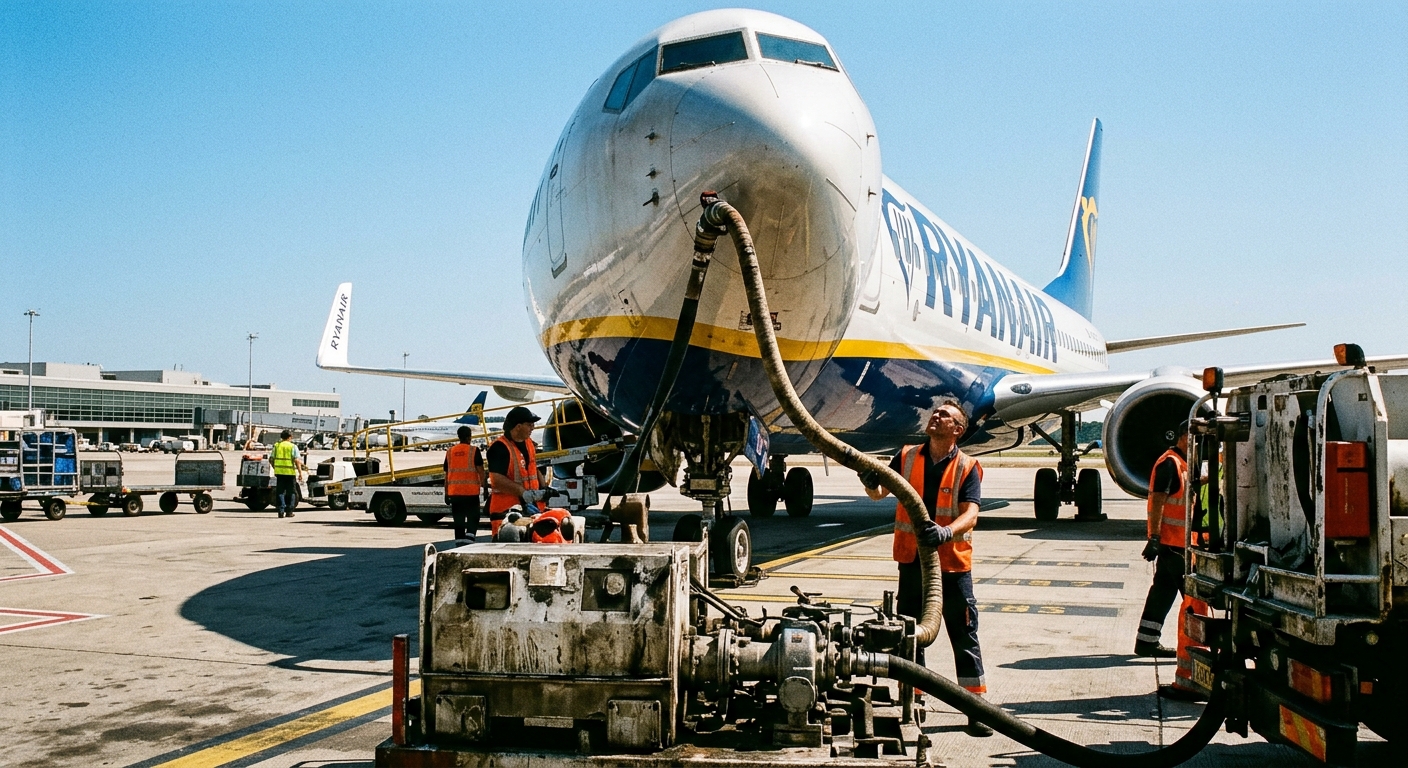
- Ryanair navigates the jet fuel crisis, facing increased operational challenges and competitive pressures during the peak travel season.
- CEO Michael O'Leary notes a shift in British travelers opting for closer Southern European destinations due to safety concerns.
- Ryanair's proactive strategies aim to sustain flight schedules, positioning the airline favorably amid rising fuel costs and evolving customer preferences.
Ryanair Holdings Plc (RYAAY) navigates the complexities of the current jet fuel crisis, which poses significant operational challenges as the airline industry braces for the peak travel season.
Amid escalating geopolitical tensions and a surge in fuel prices—up 103% since February—the airline faces a unique landscape. Michael O'Leary, Ryanair's CEO, points to a pronounced trend where British holidaymakers pivot towards closer destinations within Southern Europe, such as France, Spain, and Greece.
This shift arises from safety concerns and flight disruptions linked to the ongoing U.S.-Iran conflict, which significantly impacts travelers’ preferences and choices. The increased cost of fuel, representing 20-40% of airlines' operational expenses, forces major airlines like Lufthansa, SAS, and Air France-KLM to adjust their flight offerings and impose surcharges, further heightening the competitive pressures on Ryanair to maintain its operational viability.
To mitigate the effects of the fuel crisis, Ryanair is implementing robust strategies aimed at sustaining its flight schedules throughout the summer. CFO Neil Sorahan discussed the airline's preparations during a recent interview, emphasizing the company's resilience amidst this volatile landscape.
Despite the challenges faced by the industry, he remains optimistic about the airline's ability to navigate these turbulent times. Sorahan specifically noted that while Ryanair is poised to survive the current fuel crisis, weaker airlines may struggle to endure the harsh winter ahead.
This perspective highlights Ryanair's competitive edge in a market fraught with uncertainty. As consumers seek cost-effective and convenient travel options closer to home, the rising demand for train travel—evidenced by a staggering 42% spike in Eurostar ticket sales—suggests an evolving travel landscape.
Ryanair's ability to adapt to these emerging trends may determine its success this season. The airline’s strategic commitment to maintaining a full flight schedule positions it favorably as it responds to shifts in traveler behavior and the broader economic environment influenced by escalating fuel costs and international tensions.
Overall, Ryanair's proactive approach to the jet fuel crisis signals its determination to remain a leader in the budget airline sector, while being acutely aware of the growing preference for shorter-distance travel amidst global uncertainties.
In addition to its operational strategies, O'Leary’s forecast of potential airline bankruptcies due to sustained high oil prices highlights the fragile state of the aviation market.
The airline chief draws parallels to trends in the U.S. where Spirit Airlines is experiencing financial strain, cautioning that if the geopolitical tensions persist or worsen, similar consequences may await European carriers.
This observation reinforces Ryanair's need to remain vigilant and responsive in an increasingly interconnected global market, where external factors can greatly influence an airline's health and prospects.
Related Cashu News

Allegiant Travel Restructures Balance Sheet with $650 Million Senior Secured Notes Issuance
Allegiant Travel (Ticker: ALGT) undertakes a crucial restructuring of its balance sheet by issuing $650 million in Senior Secured Notes, maturing in 2031. This strategic move enables the company to pa…

C.H. Robinson Launches BidBoardX to Revolutionize Digital Freight Logistics
C.H. Robinson Worldwide (Ticker: CHRW) has recently made headlines with the launch of its innovative digital freight marketplace, BidBoardX. Introducing BidBoardX: A New Era in Freight Logistics BidBo…

FedEx Faces EEOC Lawsuit Over Alleged Discrimination Against Blind Employees in North Carolina
FedEx Corporation (Ticker: FDX) faces a significant legal challenge as the U.S. Equal Employment Opportunity Commission (EEOC) files a federal lawsuit against the company. The lawsuit alleges that Fed…

Union Pacific Launches Commemorative Locomotive in Partnership with NASA's Artemis III Program
Union Pacific (Ticker: UNP) has unveiled a new commemorative locomotive that honors a former U.S. President, marking a significant addition to its fleet. This initiative comes as the company partners…