
SABESP: Navigating Growth and Challenges
ED
Editorial
Cashu Markets·5 min read
TL;DR
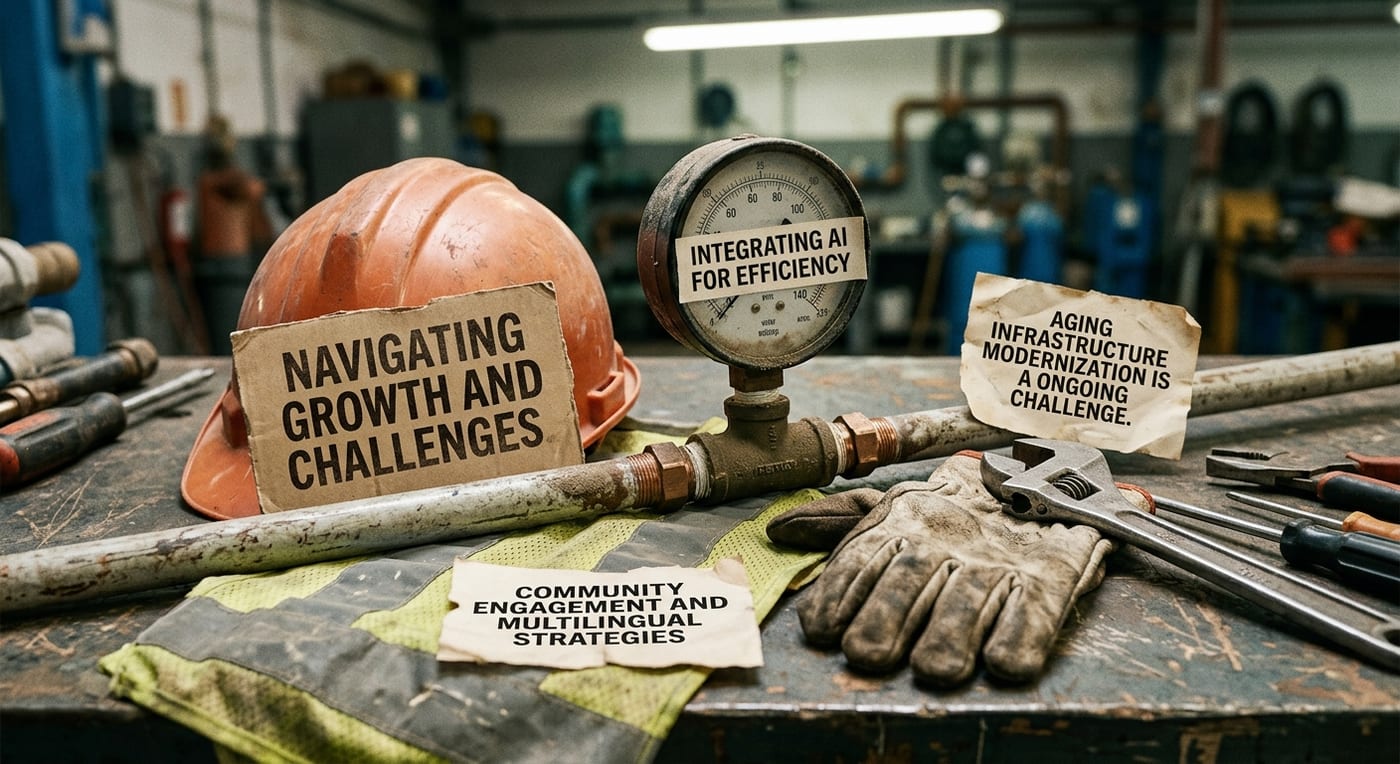
- SABESP integrates AI to enhance operational efficiency.
- The company focuses on community engagement and multilingual strategies.
- Aging infrastructure modernization is a significant ongoing challenge.
Companhia de Saneamento Básico do Estado de São Paulo - SABESP (SBS) stands at the forefront of providing essential water and sewage services to millions of residents in São Paulo. As the company navigates a landscape shaped by rapid urbanization, aging infrastructure, and regulatory pressures, its strategic initiatives have become paramount in ensuring operational efficiency and sustainability. This article delves into how SABESP is adapting to meet these challenges while leveraging technological advancements and community engagement to secure its position in a competitive market.
Understanding SABESP's Operational Landscape
SABESP operates one of the world's largest water and sewage systems, a feat that emphasizes its critical role in urban public health. To address its increasing demand, the company has embarked on significant modernization efforts aimed at enhancing operational efficiency. The integration of artificial intelligence (AI) has emerged as a vital component of this strategy. Specific AI-driven solutions are being deployed to optimize management processes, ultimately seeking to improve service delivery while managing costs effectively.
While the focus remains on technological integration, the company is also grappling with the reality of its aging infrastructure. These outdated systems present ongoing maintenance challenges and demand considerable investment for upgrades. Recent reports highlight that SABESP’s commitment to revitalizing these core assets is a strategic imperative, directly impacting its operational performance and long-term sustainability.
Strategic Initiatives and Community Engagement
In light of these challenges, SABESP has made substantial strides in technology adoption as part of its strategic framework. Notably, the emphasis on community engagement through multilingual strategies reflects its understanding of the diverse population it serves. This not only enhances customer relations but also facilitates better communication around usage expectations and conservation practices. The company’s commitment to community engagement underpins its operational adjustments and overall service philosophy, aligning with broader trends seen in public utilities globally.
Expanding its technological capabilities, SABESP is increasingly utilizing AI systems to streamline its workflows and enhance design processes. This pivot to digital strategies is in line with the growing need for utilities to innovate in response to regulatory obstacles and infrastructure demands. By embedding these technologies within its operations, SABESP aims to mitigate risks and ensure continuity of services amidst an evolving landscape.
In recent discussions about operational strategy, SABESP highlighted that infrastructure modernization remains a critical challenge amid these regulatory pressures. These dynamics are essential as they drive the company’s strategic response, compelling it to address both immediate operational needs and long-term structural improvements. The integration of AI technologies stands as a robust response to these pressures, enabling the company to take proactive measures to enhance service reliability.
Economic and Regulatory Environment
The economic environment surrounding SABESP showcases the complexities of managing public utilities in today's fast-paced world. As urban populations burgeon, the demand for advanced water treatment and waste management solutions becomes even more pressing. This constant pull on resources has led SABESP to evaluate its pricing structures and operational practices critically.
Moreover, new regulatory frameworks are continuously emerging, necessitating flexibility and adaptability. The company's ability to respond promptly to these changes is vital to its operational integrity. By aligning its strategies with evolving policies, SABESP works to maintain compliance while simultaneously mitigating the impact of regulatory costs on its bottom line.
The competitive landscape for SABESP also involves partnerships that strengthen its service offerings. These collaborations are particularly pertinent in the context of developing more efficient operational technologies and infrastructure solutions. Such partnerships not only enhance SABESP's capabilities but also serve to bolster its service reliability and customer satisfaction.
Future Outlook and Investor Sentiment
As SABESP remains focused on enhancing its operational efficiency through AI integration and modernization efforts, investor sentiment is understandably cautious yet optimistic. The company’s proactive approach in leveraging technology positions it well within the competitive utilities sector, fostering a sense of confidence among stakeholders. The notion is bolstered further by the recognition of infrastructure investments as critical to sustaining growth and competitiveness.
Investors are particularly keen on the results of SABESP’s modernization initiatives and how these endeavors might influence its long-term sustainability and profitability. The emphasis on sustainable practices, coupled with advances in AI, draws parallels with trends observed across other utility sectors, where similar adaptations to technology have led to improved market outcomes.
In conclusion, Companhia de Saneamento Básico do Estado de São Paulo - SABESP (SBS) stands as a testament to the challenges and opportunities within the utility sector. By balancing regulatory demands, technological integration, and community engagement, the company aims to navigate its pathways toward growth successfully. The road ahead may be challenging, but SABESP is undoubtedly equipped with the strategies necessary to address its operational landscape head-on, ensuring a lasting impact in the communities it serves. The same pressure is reflected in recent reporting on the issue, which helps explain why the company's pricing decisions remain under scrutiny.