
SABESP: Navigating Water Challenges in São Paulo
ED
Editorial
Cashu Markets·4 min read
TL;DR
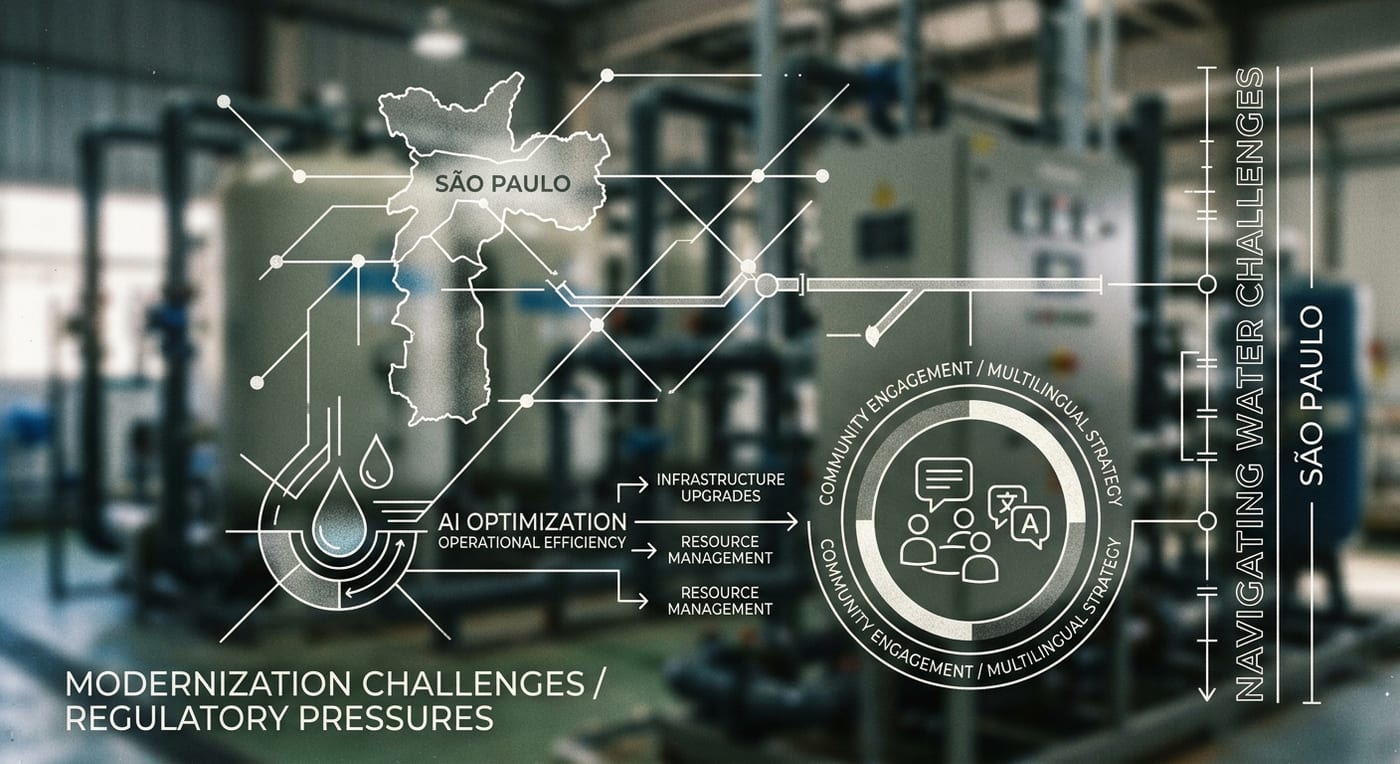
- SABESP is enhancing operational efficiency through AI integration.
- The company is focusing on community engagement using multilingual strategies.
- Infrastructure modernization remains a critical challenge amid regulatory pressures.
Companhia de Saneamento Básico do Estado de São Paulo - SABESP (SBS) is drawing attention as the latest developments come into focus. Companhia de Saneamento Básico do Estado de São Paulo - SABESP (SBS) has been facing unique challenges and opportunities in the water and sanitation sector of São Paulo. As a major player in this key area, SABESP is committed to enhancing its operational efficiency and community services amidst rising demands and infrastructural pressures. This article explores the strategic maneuvers SABESP is employing to remain competitive and effective.
Understanding SABESP's Role
SABESP operates one of the largest water and sewage systems in the world, catering to millions of residents in São Paulo. The company not only provides vital services but also plays a crucial role in public health and environmental sustainability.
As urban populations increase, the need for advanced water treatment, waste management, and effective resource allocation has never been more pressing. The Brazilian water industry faces multiple hurdles including aging infrastructure, regulatory challenges, and fluctuating resource availability.
To address these issues, SABESP has been enhancing its technology and infrastructure capabilities. The ongoing need for investment in modern solutions, particularly in the wake of climate change impacts, places SABESP at a critical juncture.
AI-Driven Innovations
The integration of technology into utility management is garnering attention and showing promise for companies like SABESP. The recent advancements in artificial intelligence (AI) have opened pathways for operational improvements and efficiency enhancements.
As outlined in the article titled AI Integration Set to Boost Efficiency for Companhia de Saneamento Basico do Estado de Sao Paulo, SABESP stands to significantly benefit from AI-driven solutions in utility engineering enhancements.
These technologies empower the company to streamline design processes and use data analytics for improved decision-making. AI capabilities can lead to more effective resource distribution and waste management, which is crucial given the rising demands placed on urban infrastructures.
Implementation of such technologies directly relates to SABESP's strategy to enhance its engineering workflows and operational efficiency.
Community Engagement and Communication
SABESP's strategic communication with the public is another vital aspect of its long-term goals. As highlighted in the article titled SABESP Can Enhance Community Engagement Through Strategic Media Partnerships and Multilingual Communication, the company can leverage tailored communication strategies that resonate with São Paulo's diverse population.
Adopting multilingual resources will not only improve community engagement but also foster trust and transparency in water management initiatives. By utilizing digital platforms to deliver informative content about water quality and management practices, SABESP can enhance public confidence in its services.
This is particularly significant in communities that have historically faced contentions regarding resource management and service delivery.
Furthermore, developing strategic partnerships with media and community organizations could boost SABESP's outreach capabilities. Successful models observed in similar sectors can be employed in public utilities to enhance community involvement in critical service areas.
Infrastructure Investment and Regulatory Pressures
Infrastructure challenges remain a significant obstacle for SABESP as it strives to modernize its water and sanitation facilities amidst rising regulatory pressures to deliver quality services efficiently.
The Brazilian government has emphasized the need for utilities to adapt their practices to align with sustainable development goals, further exacerbating the need for infrastructure investment.
In this ever-evolving landscape, partnerships with technology firms have become increasingly vital. As detailed in related discussions around overall utility modernization, SABESP is well-positioned to stay ahead by embracing innovative solutions and adapting its service delivery models to fit the regulatory environment.
Conclusion: A Forward-Looking Approach
In conclusion, the path ahead for Companhia de Saneamento Básico do Estado de São Paulo - SABESP is both challenging and filled with potential for improvement.
By weaving together technology, strategic communication, and robust community engagement, the company is taking steps to ensure it remains a leader in the water and sewage sector.
The integration of advanced technologies, particularly AI and improved communication strategies, is set to propel the utility towards more sustainable practices and enhanced public trust.
As demand for clean water and effective waste management continues to surge, SABESP’s forward-looking approach could serve as a benchmark for public utilities navigating similar challenges worldwide.
SABESP’s journey into modernizing its operations illustrates a critical investment in the future of urban water systems in Brazil and beyond. The same pressure is reflected in recent reporting on the issue, which helps explain why the company's pricing decisions remain under scrutiny.