
Silver's Market Evolution and Dollar Dynamics
ED
Editorial
Cashu Markets·5 min read
TL;DR
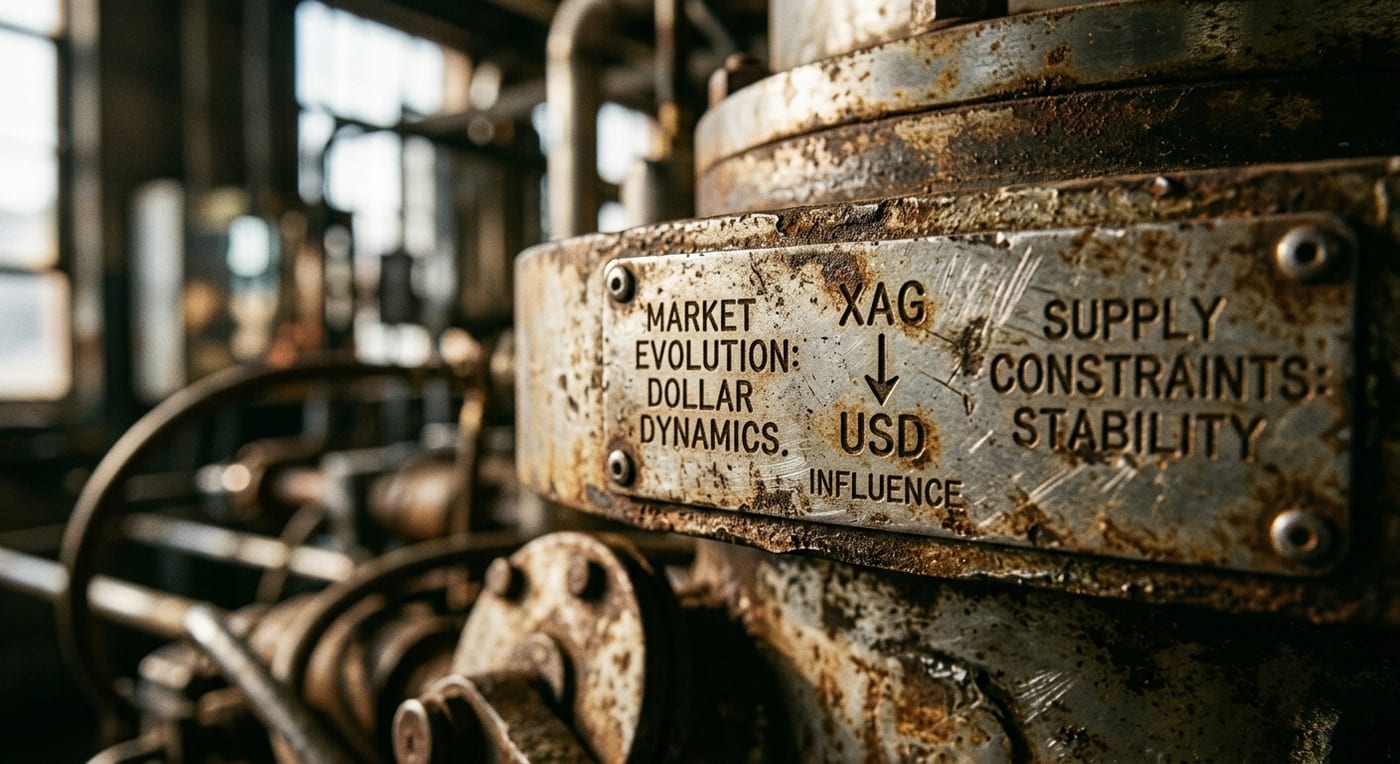
- Silver pricing is heavily influenced by U.S. dollar strength.
- Supply constraints support silver's market stability.
- Industrial demand positions silver for sustained growth.
Silver (troy ounce) / U.S. Dollar (XAGUSD) has entered a pivotal phase where its pricing dynamics are deeply influenced by the strength of the U.S. dollar and various macroeconomic factors. As we delve into this complex relationship, the significant recent developments become more apparent. Investors and traders alike are focusing on how these dynamics could shape the future of silver pricing, with various indicators and trends painting a vivid picture of the market landscape.
The Inverse Relationship with the Dollar
Historically, the interplay between silver prices and the U.S. dollar is characterized by an inverse relationship. When the dollar strengthens, silver prices tend to fall, and vice versa. Recently, we saw this dynamic in action as the dollar index remained around 99.60, impacting silver prices downward, which fell nearly 3%. This movement reflects the broader pattern where the strength of the dollar serves as a significant predictor of silver's performance.
Furthermore, the current market environment is heavily influenced by macroeconomic events and geopolitical tensions. Reports indicate that supply constraints within the silver market are likely to support prices even as the dollar remains robust. Such supply issues may ultimately stabilize silver pricing, which is essential as we face a backdrop of ongoing economic fluctuations. Notably, geopolitical tensions have also strengthened silver's appeal as a safe-haven asset, reinforcing the demand amid market uncertainty. An earlier analysis highlighted this connection, emphasizing that the dollar's strength could reinforce outlooks for silver prices amid supply constraints and safe-haven demands. This interplay is crucial as we navigate through uncertain global markets.
Market Responses to Current Challenges
As silver prices navigate through these challenges, one of the pivotal drivers has been the supply-demand balance. According to insights into the silver market, the current projection anticipates a sixth consecutive annual supply deficit, with approximately 46 million ounces shortfall expected. This consistent deficit underpins the market, ensuring a firm floor for silver prices as demand from various sectors, including industrial manufacturers, continues to rise.
Adding to this is the dynamic interaction with long-term yields and the broader bond market. Recently, U.S. Treasury buybacks have exerted downward pressure on long-term yields, thereby weakening the dollar. This scenario opened a buoyant space for silver buyers. With silver trading around significant levels, such as the psychologically important $70 mark, the momentum from external factors is contributing to potential upward movement.
The upcoming shifts in monetary policy, influenced by external pressures like crude oil prices, add another layer of complexity to silver pricing. As geopolitical tensions continue to escalate, particularly regarding oil supply chains, the potential for inflationary pressures becomes heightened, creating an environment ripe for traders to reassess commodity investments like silver.
Industrial Demand and the Future of Silver Pricing
The industrial demand for silver sets it apart from gold, as silver engages in combat with gold not only for investor money but also for industrial applications. Unlike gold, which primarily serves as a store of value and investment vehicle, silver is integral in industries such as electronics, electric vehicles, and solar manufacturing—areas projected to see sustained growth in demand. By diversifying its demand channels, silver may continue to maintain its value even amidst broader economic fluctuations.
The interplay between physical demand and speculative trading positions significantly influences market dynamics. Speculative traders have shown renewed optimism as the circumstances shift, with many now projecting bullish forecasts for silver based on supply deficits and industrial demand. Recent trading reports indicated an increase in open interest, suggesting that fresh money is entering the market, further supporting the outlook for silver prices.
Moreover, as investors remain vigilant on what's brewing within bond markets, the shift in rates could either amplify or undermine the current bullish sentiment surrounding silver pricing. Risk tolerance is crucial as traders evaluate the looming economic indicators set to be released shortly, which are expected to affect the overall market sentiment.
Silver has continued to display resilience; its pricing framework adapts to the ongoing dynamics between supply constraints and fluctuating dollar strength. Maintaining a keen eye on these economic indicators will be critical for navigating through the evolving landscape of the silver market.
The Road Ahead: What to Watch
Looking toward the next weeks, the critical point of focus will be the potential resistance levels around $71.95, which corresponds to the 200-day moving average for silver. As market dynamics evolve, investing in silver positions requires awareness of both macroeconomic indicators and geopolitical factors that may sway trading conditions.
Additionally, as price fluctuations remain dependent on movements in the dollar and yield rates, understanding the implications of Treasury buyback strategies will be critical. Should the dollar regain strength, it could pose challenges for silver prices, reversing the current trend.
In conclusion, while the near-term outlook for silver may be buoyed by immediate conditions favoring its price increase, upcoming macroeconomic indicators and ongoing global tensions will significantly dictate the future trajectory of Silver (troy ounce) / U.S. Dollar (XAGUSD). The need for investors to stay informed and adaptable to changing conditions cannot be overstated as they navigate the complexities of this precious metal market. The same pressure is reflected in recent reporting on the issue, which helps explain why the company's pricing decisions remain under scrutiny.