
Starbucks Korea Closes Stores for Sensitivity Training After Backlash Over Controversial Campaign
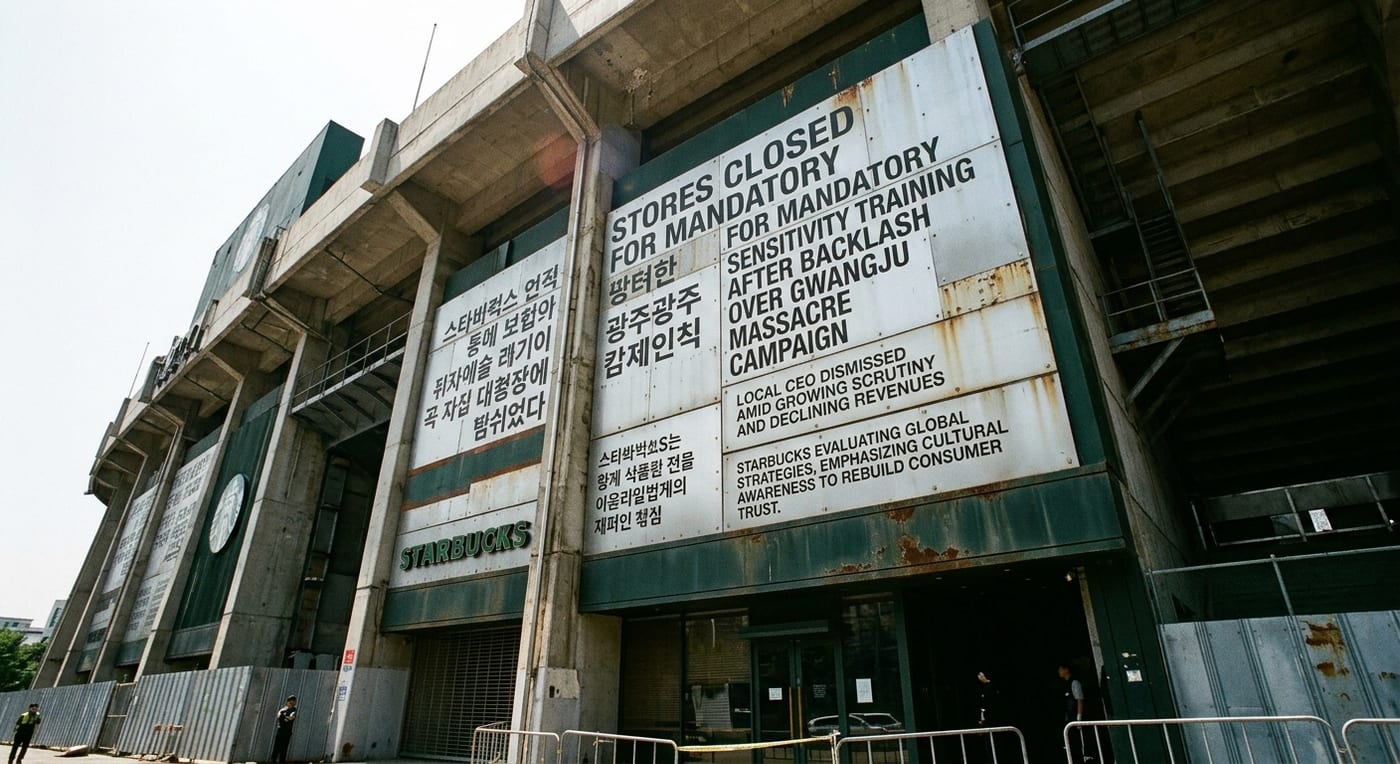
- Starbucks Korea closed all stores for mandatory sensitivity training after backlash over a Gwangju massacre promotional campaign.
- Local CEO dismissed amid growing scrutiny and declining revenues in the Korean market.
- Starbucks is evaluating global strategies, emphasizing cultural awareness to rebuild consumer trust.
Starbucks Korea has temporarily closed all its stores across the nation to conduct mandatory history and social sensitivity training. This decision follows a significant public backlash to a promotional campaign that referenced the Gwangju massacre, a sensitive historical event in South Korea. The campaign's impact has triggered a boycott and raised questions about the company's governance, leading to the dismissal of Starbucks Korea's local CEO. As the brand faces scrutiny amid declining revenues in the Korean market, this sensitivity training initiative aims to address public concerns and restore consumer trust in Starbucks.
Addressing Cultural Sensitivities
The recent incident highlights the ongoing challenges Starbucks encounters in managing its brand in Asia, particularly within diverse cultural contexts. The backlash from the promotional campaign reflects the importance of understanding historical sensitivities and the potential consequences of missteps in marketing strategies. This move toward sensitivity training demonstrates Starbucks’ commitment to rectifying the situation, but whether it can effectively regain the trust of its customers remains to be seen.
Strategic Evaluations Amidst Market Pressures
In addition to the sensitivity training, Starbucks is concurrently evaluating its global market strategies, particularly its Japan operations. Discussions about potentially selling a partial stake or considering an IPO reflect the broader challenges and transformations within its international portfolio. As Starbucks navigates these complexities, the call for greater cultural awareness and responsiveness in its marketing endeavors appears crucial for its success in the region.
Conclusion
The heightened consumer scrutiny points to an urgent need for brands to cultivate sensitivity towards historical and cultural narratives to foster deeper connections with their audiences.
Related Cashu News

SeaWorld Enhances Busch Gardens Tampa Bay Experience with Leadership and $100 Million Investment
SeaWorld Entertainment has made a substantial commitment to enhancing the guest experience at Busch Gardens Tampa Bay with the recent appointment of Jon Vigue as its new President. This strategic move…

Royal Caribbean Launches Artist Discovery Program to Enhance Cultural Cruise Experience
Royal Caribbean Group (Ticker: RCL) continues to innovate in the cruise industry with the launch of its latest Artist Discovery Program, aimed at showcasing emerging artists from the Caribbean and Cen…

Norwegian Cruise Line Holdings Sees Short-term Gains Amid Lower Fuel Prices and Upcoming Summer Season
Norwegian Cruise Line Holdings (NCLH) is gaining investor attention following the recent U.S.-Iran peace agreement that has led to a decline in crude oil prices. Cheaper fuel prices are expected to po…

BJ's Restaurant Introduces Summer Menu to Drive Traffic and Enhance Customer Experience
BJ's Restaurant (Ticker: BJRI) focuses on experiential dining through its seasonal offerings, aiming to enhance brand engagement and address traffic challenges amid a competitive market. Innovative Su…