
Stellantis Integrates Solid-State Battery Tech in Dodge Charger Daytona, Advancing Electric Vehicle Innovation
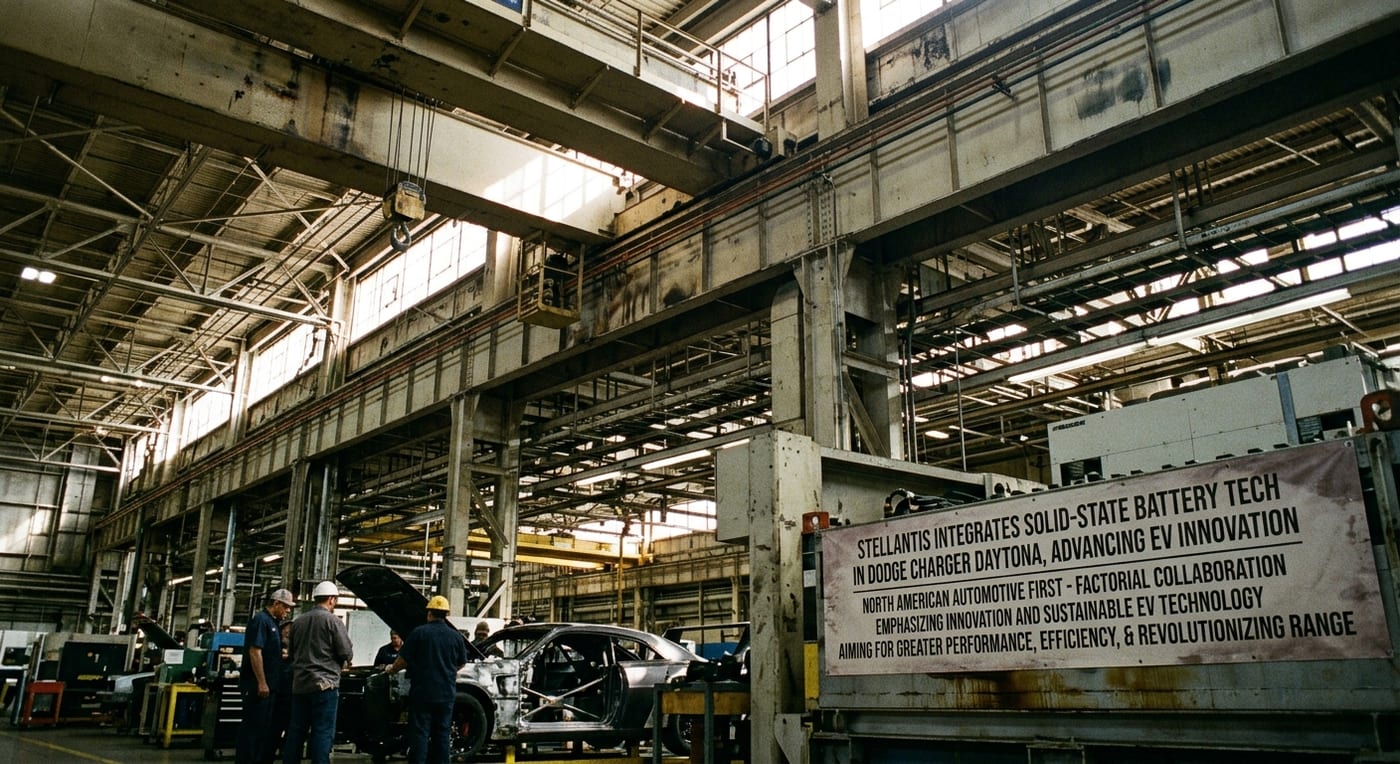
- Stellantis N.V. integrates Factorial's solid-state battery technology into a Dodge Charger Daytona, a North American automotive first.
- The collaboration emphasizes Stellantis’s commitment to innovation and sustainable electric vehicle technology, aiming for greater performance and efficiency.
- Successful testing of solid-state batteries could revolutionize electric vehicles, enhancing range and reducing charging times for consumers.
Stellantis N.V (STLA) achieves a groundbreaking milestone by incorporating Factorial's FEST® solid-state battery cells into a Dodge Charger Daytona development vehicle. This integration marks the first application of solid-state battery technology in an automotive context in North America, setting a significant precedent for advancements in electric vehicle technology. The company is already conducting road testing to validate the performance, safety, and reliability of this innovative battery in real-world driving conditions. The FEST® cells boast an impressive energy density of 375 Wh/kg and a remarkably quick charge time, capable of charging from 15% to 90% in just 18 minutes.
Innovative Engineering for Electric Vehicles
This impressive leap forward necessitated the combined efforts of Stellantis and Factorial's engineering teams to create optimal performance while adhering to strict automotive safety standards. Key to this development is the patented mechanical architecture that enhances the solid-state cell functionality. The partnership is not just a technical collaboration; it symbolizes a strategic effort to push solid-state battery technology towards mainstream automotive usage. As the automotive industry increasingly shifts towards electrification, Stellantis’s successful integration of solid-state batteries points toward enhanced vehicle range, faster recharging capabilities, and potentially lower manufacturing costs.
Shaping the Future of Electric Vehicles
Moreover, this collaboration emphasizes Stellantis's commitment to innovation in electric vehicle technology, aligning with the broader industry trend towards sustainable, high-performance alternatives to traditional internal combustion engines. The integration of Factorial's FEST® technology could revolutionize electric driving by enabling longer ranges and minimizing charging times, addressing two critical consumer concerns in the EV market. As the testing phase progresses, the potential success of this endeavor not only stands to benefit Stellantis but could also shape the future landscape of electric vehicles across the industry, reinforcing the importance of advanced battery technologies in achieving net-zero emissions goals.
Industry Partnerships Enhance Battery Technology
In related news, Factorial Energy has garnered attention due to its developments in solid-state battery technology amidst fluctuations in stock price. Post the announcement of the integration with Stellantis, Factorial participated in a series of partnerships with industry giants, enhancing its position as a key player in the battery technology landscape. The successful collaboration illustrates the growing synergy between automotive manufacturers and innovative tech firms in the race for more efficient energy solutions.
Expanding Horizons with New Models
In parallel, Stellantis continues to expand its product line with the introduction of limited-edition models like the Jeep Wrangler Sarge, reflecting its commitment to heritage while embracing modern performance demands. These initiatives collectively showcase Stellantis N.V's strategic focus on blending innovative technologies with market needs, ensuring that they remain at the forefront of the automotive industry.
Related Cashu News

Honda Motor Faces Major Recall of 880,000 Vehicles Over Safety Defects and Consumer Trust Issues
Honda Motor Co (Ticker: HMC) is currently facing significant attention due to a major recall affecting over 880,000 vehicles in the U.S. Significant Recall Over Safety Concerns The recall concerns a d…

Dana Merges with Eaton's Mobility Business for $5.1 Billion to Enhance Powertrain Leadership
Dana Incorporated has announced a definitive agreement to merge with Eaton Corporation's Mobility business, a transaction valued at around $5.1 billion, aiming to establish a global leader in powertra…

Motorcar Parts of America Reports Strong Q4 Growth and Improved Financial Performance
Motorcar Parts of America (Ticker: MPAA) demonstrates significant financial improvements in its latest reporting period, indicating robust operational performance and recovery in the automotive parts…

Goodyear Partners with Lunar Outpost for Innovative Lunar Tire Development for NASA Missions
In June 2026, Goodyear Tire & Rubber Company (Ticker: GT) takes a bold step into the future of technology by partnering with Lunar Outpost to develop advanced tires for the Pegasus Lunar Terrain Vehic…