
Target's Strategic Growth and Market Innovations
ED
Editorial
Cashu Markets·5 min read
TL;DR
- Target's strategic collaborations enhance market presence.
- Back-to-school initiatives offer discounts and engage consumers.
- Expansion plans reflect confidence in targeting diverse demographics.
Target Corporation ( TGT) continues to assert its presence in the competitive retail market by leveraging innovative strategies and expanding its product offerings. In a challenging economic environment characterized by fluctuating consumer behaviors and rising operational costs, Target has remained resilient, initiating several strategic moves to fortify its market position and enhance customer engagement. This article will explore how Target's recent initiatives, collaborations, and expansion efforts shape its business trajectory.
Strategic Collaborations Fueling Growth
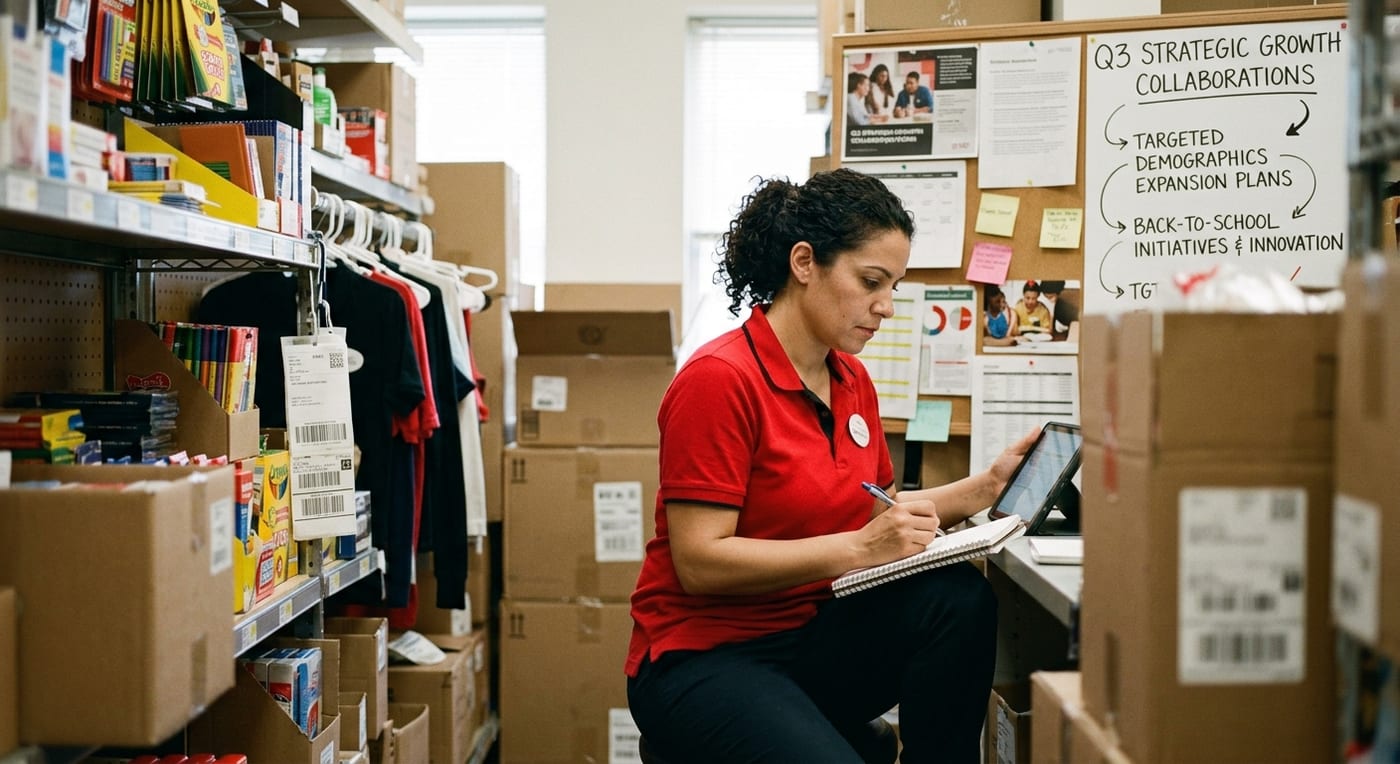
One of the cornerstones of Target's strategy is its focus on partnerships that enhance its product range. The company has recently launched The Hollister Collection in collaboration with Abercrombie & Fitch's Hollister brand. This collection includes an array of over 60 stylish apparel and home décor items targeting the youth demographic. The timing of this launch is strategic, coinciding with the back-to-school shopping season, showing Target’s commitment to capturing the interests of younger customers. Such collaborations enhance Target’s brand appeal, bringing fresh and trendy offerings that align with current market trends.
Moreover, these partnerships highlight Target’s ability to innovate amidst retail challenges. By integrating fashion and home goods, Target is catering to modern consumers' desires for cohesive lifestyle products. This initiative also underscores the overall trend in retail where home and fashion are increasingly perceived as interlinked sectors. In this context, the collaboration with Hollister offers Target a significant edge in appealing to a younger demographic, potentially capturing a market eager for design-led products.
Reflecting on Target's growth strategy and its adaptability, the company's expansion plan aligns with ongoing market demands. According to a recent article from Cashu, Target is also planning new store openings, which not only reinforces its market presence but also demonstrates confidence in consumer demand. As part of this strategy, Target will open 11 new stores in July, a move designed to enhance accessibility and visibility for customers looking for stylish, affordable options.
Back-to-School Initiatives Enhancing Market Engagement
As the back-to-school season approaches, Target has rolled out several initiatives aimed at increasing customer engagement and sales. The company is making back-to-school shopping more affordable for busy families, with price reductions on thousands of essential items, ensuring that over 95% of school supplies are offered at or below the previous year’s prices. This approach not only helps in retaining customer loyalty but also positions Target as a primary destination for families preparing for the new school year.
From July 26 to August 1, Target is hosting a savings event where shoppers can find discounts of up to 30% on clothing and other essentials. Target's ability to provide fashionable products while maintaining competitive pricing showcases its strategic focus on merchandising authority—encouraging consumers to see Target as a place for trendy selections without compromising on quality or affordability.
The back-to-school campaign is further supported by engaging in-store events scheduled for August 8. These events aim to create an interactive shopping experience where families can engage with new products, participate in giveaways, and personalize their shopping experience with custom kits. This enhancement of customer experience aligns well with Target’s mission of offering style, design, and value, while simultaneously reinforcing its commitment to community engagement.
Expansion Strategy Amid Market Challenges
The retail landscape is undeniably challenging, facing pressures from competition and evolving consumer preferences. However, Target's plans for expansion and collaboration could establish a solid foundation against these hurdles. Research suggests that expansions like those Target is undertaking may not only provide a physical presence but also improve brand visibility and accessibility.
The scheduled opening of new stores is also accompanied by strategic hires and leadership initiatives aimed at maintaining brand relevance. Over the years, Target has focused on enhancing not just its product offerings but also the underlying company culture, instilling creativity and innovation within its teams. The leadership initiatives help to envision long-term goals while adapting to immediate challenges, showcasing Target’s agile approach towards maintaining market relevancy.
Moreover, the innovative partnerships, such as with Hollister, may signal a trend toward more diversified collaborations within the retail sector, as brands seek to connect with a wider range of consumers. This trend is pivotal for Target, aligning with its strategy to attract various shopper demographics and keep the product lineup fresh and relevant.
Conclusion: A Promising Investor Outlook
In summary, Target Corporation is steering through a challenging retail environment with strategic moves that enhance both its product offerings and market position. Through innovative collaborations, customer-focused initiatives like back-to-school campaigns, and an aggressive expansion plan, Target is well-poised to sustain its competitive edge. Retail experts suggest that this multifaceted approach not only captures current market demand but also sets a strong foundation for future growth.
Target’s ability to adapt to fluctuating market conditions while maintaining its focus on customers can result in a solid outlook for investors. As the company continues on its trajectory of innovation and expansion, stakeholders may find reasons to be optimistic about Target’s future prospects. The same pressure is reflected in recent reporting on the issue, which helps explain why the company's pricing decisions remain under scrutiny.