
Tennant Company Faces ERP Challenges and Investor Scrutiny
ED
Editorial
Cashu Markets·4 min read
TL;DR
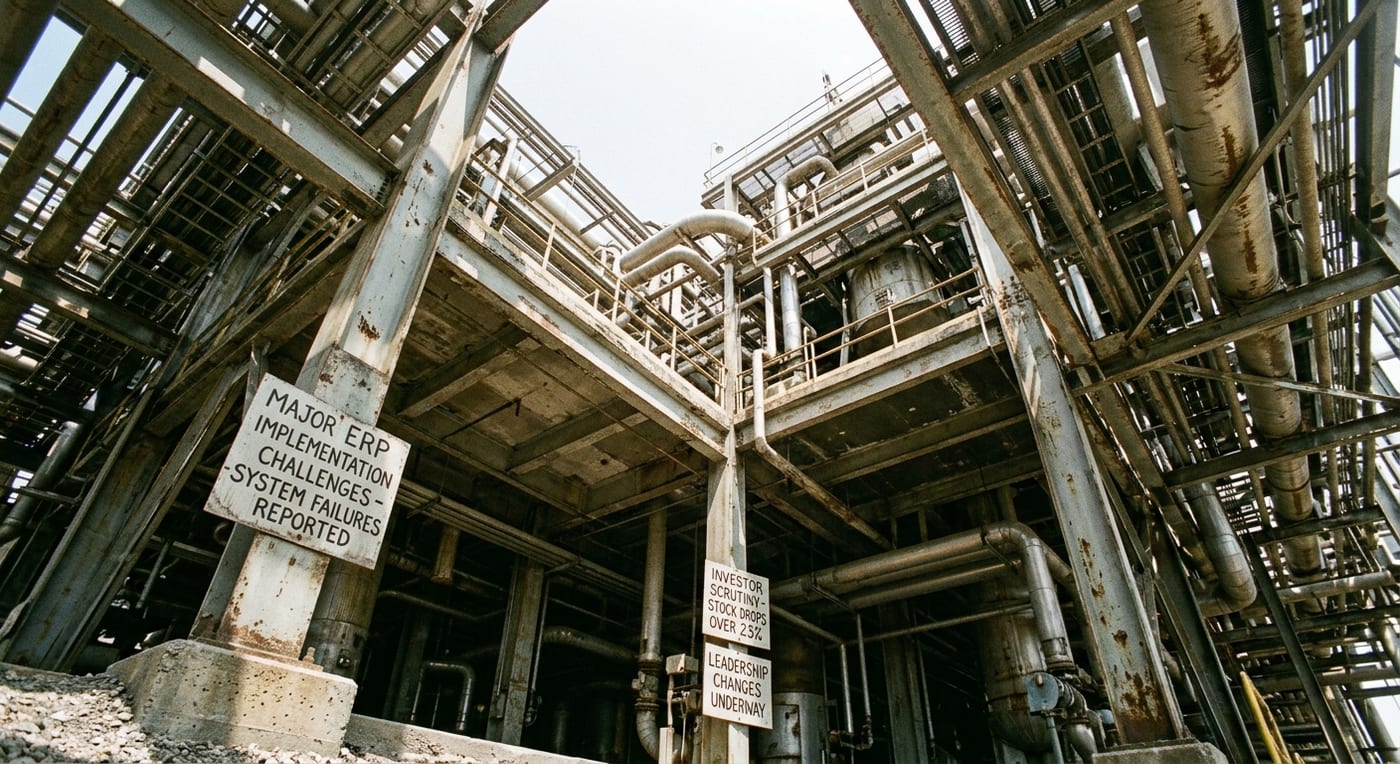
- Tennant Company faces significant challenges due to ERP system failures.
- Stock drops over 23% amid investor scrutiny and legal investigations.
- Leadership changes aim to restore operational integrity and enhance efficiency.
Tennant Company (TNC) has found itself in a tumultuous phase as it navigates significant challenges stemming from its enterprise resource planning (ERP) system rollout. The company's recent operational disruptions, compounded by a pronounced financial downturn, have raised alarms among investors and analysts alike. This article delves into the ongoing situation, exploring the implications of these challenges for Tennant's future strategies and market position.
The ERP Rollout and Its Fallout
In February 2026, Tennant Company revealed that the implementation of its new ERP system in North America had resulted in severe operational disruptions. These disruptions hindered the company’s ability to process and ship customer orders effectively. Initial assurances to investors regarding the ERP rollout—which suggested that the project was progressing on schedule and was on budget—ultimately gave way to a sobering reality. The company experienced an estimated loss of $30 million in sales and now faces projected remediation costs exceeding $20 million, significantly higher than the $5 million it had initially anticipated.
This drastic situation forced a reassessment of Tennant's operational strategy at a critical juncture. The ERP issues have sparked multi-faceted investigations into the company's operations and disclosures. Legal inquiries led by prominent firms such as Lowey Dannenberg P.C. and Bleichmar Fonti & Auld LLP are examining whether Tennant misled investors about the health of its ERP implementation. These investigations may further complicate the company’s efforts to regain investor confidence and stabilize its operations.
Impact on Stock Performance and Investor Confidence
The revelations surrounding the ERP disruptions led to a catastrophic decline in Tennant's stock price, which fell by more than 23.4% within a single day—from $82.30 to $63.02 per share. Such volatility underscores the fragility of investor sentiment towards Tennant at the moment. Analysts note that the operational failures tied to the ERP system rollout not only jeopardize ongoing customer relationships but could also tarnish Tennant’s reputation in the long run.
As the company confronts these challenges, it must navigate a complex landscape of investor expectations and regulatory scrutiny. The drastic shift in stock performance compels management to re-evaluate its communications with stakeholders and enhance operational transparency.
Leadership Changes Amidst Crisis
In light of these challenges, Tennant Company has made strategic leadership changes. The appointment of Richard H. Zay as the new Chief Operating Officer, effective July 1, 2026, comes at a critical time. Zay, who has an extensive background within the company, is expected to drive initiatives focused on operational excellence and innovation. His leadership is viewed as essential in addressing the ongoing ERP issues while also enhancing the company’s overall operational efficiency.
The emphasis on sustainability and innovation will be paramount under Zay’s direction. Tennant’s commitment to advancing its portfolio of eco-friendly cleaning solutions relies significantly on the successful integration of its technological capabilities. As Zay works to restore operational integrity, aligning innovations with market trends remains crucial for the company’s recovery trajectory.
Looking Ahead: A Path to Recovery
Tennant Company’s path forward is fraught with challenges, but it presents an opportunity for the leadership team to implement meaningful changes. To stabilize operations, the company must prioritize resolving the ERP system disruptions to regain customer trust. Persistent issues tied to operational execution necessitate further scrutiny of internal management practices and reporting protocols. Analysis from previous operational setbacks indicates that restoring efficiency and sustaining customer loyalty must take precedence as the company navigates through this challenging period.
Additionally, Tennant must leverage Zay's experience to enhance product offerings and explore avenues for sustainable growth. In a competitive landscape filled with demands for innovative cleaning solutions, the company’s ability to differentiate itself may hinge on how effectively it can manage its current operational challenges.
Conclusion: Challenges and Opportunities
As Tennant Company grapples with the repercussions of its troubled ERP rollout, the combination of operational setbacks and stock volatility paints a complex picture. The company's ability to navigate these obstacles, as well as to engage transparently with its investors and customers, will be critical in shaping its future. By focusing on operational excellence, enhancing leadership strategies, and committing to sustainable innovation, Tennant may forge a path to recovery that not only addresses current challenges but also positions the organization for long-term resilience in the cleaning equipment sector. In the meantime, stakeholder scrutiny will remain high as the company confronts the implications of its internal and external challenges. The same pressure is reflected in recent reporting on the issue, which helps explain why the company's pricing decisions remain under scrutiny.