
Tesla Shifts Focus to Humanoid Robots, Enhancing Innovation and Automation Strategies
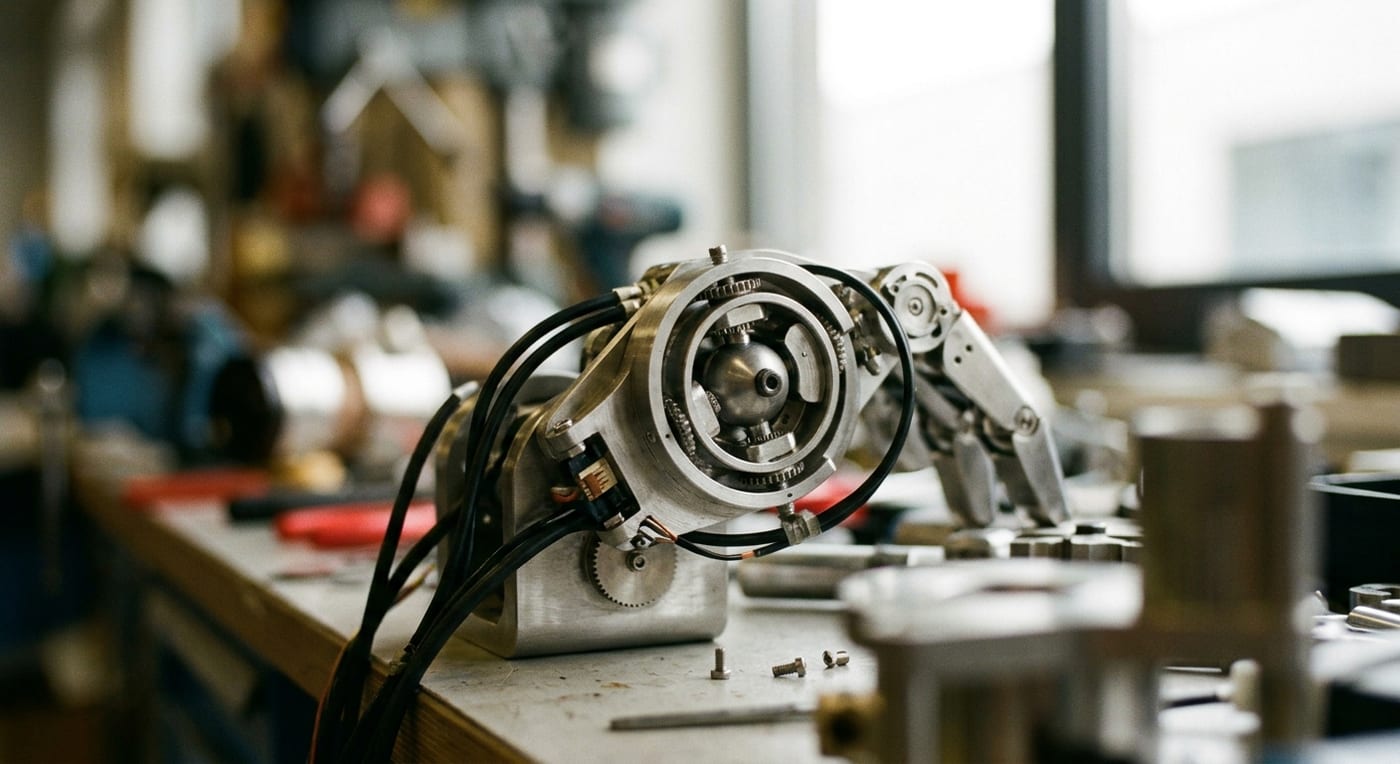
- Tesla is shifting from producing Model S and Model X vehicles to manufacturing Optimus humanoid robots at its Fremont facility.
- The production line for Optimus robots will be modular, enabling scalability and accommodating complex design requirements.
- This transition reflects Tesla’s dual focus on electric vehicles and robotics, aiming to lead in automation and innovative technologies.
In recent developments, Tesla Inc (TSLA) showcases a strategic shift toward robotics production, marking a significant step within its ambitious innovation landscape. CEO Elon Musk has announced that Tesla's Fremont facility is transitioning from manufacturing the aging Model S and Model X vehicles to producing the Optimus humanoid robots. This pivot signals Tesla's intent to diversify its product line while leveraging its manufacturing capabilities in a new sector. The company's decision highlights Musk's vision for creating advanced robotics that align with emerging technological trends, emphasizing potential applications beyond conventional automotive solutions.
The production line for the Optimus robots at the Fremont plant will be modular, facilitating a scalability approach to meet anticipated demand. According to Tesla’s Vice President of Vehicle Engineering, Lars Moravy, the modular setup accommodates the complex design and varying functions of the humanoid robots, which are uniquely different from standard vehicle manufacturing processes. These advancements in production methods illustrate Tesla’s commitment to innovation while navigating the complexities of introducing a new product category into its robust portfolio.
In addition, Musk highlights that this transition is not just about speed; the focus is on developing a reliable and efficient production system for these humanoid robots. The scalability and adaptability of this factory are crucial for Tesla's long-term goals in manufacturing both vehicles and robots, which may play a pivotal role in the company's broader strategy of integrating AI and automation into various facets of daily life. As Tesla continues to enhance its manufacturing infrastructure, the potential for the Optimus robots could expand into various sectors, reflecting the company's forward-thinking approach and adaptability in a rapidly changing technology landscape.
Amidst these developments, Tesla remains committed to its core business of electric vehicles (EVs), with recent reports highlighting a surge in vehicle deliveries. The company is capitalizing on rising gas prices, which has led to increased consumer interest in EVs, driving market momentum. This dual focus on both automotive and robotics sectors demonstrates Tesla's ambition to redefine its role not only in the automotive industry but also in the emerging fields of robotics and automation, positioning itself as a leader in transformative technologies.
Overall, Tesla's strategic shift toward humanoid robotics represents a significant expansion into a growing market, showcasing its innovative spirit and commitment to sustainability in various forms. The integration of advanced robotics into its operations may not only enhance Tesla's product offerings but also strengthen its market position as a pioneer in both electrification and automation technology. As Tesla forges ahead, its ability to adapt and innovate in these intersecting fields will be key to sustaining its growth trajectory and maintaining industry leadership.
Related Cashu News

Kandi Technologies Acquires Controlling Stake in Xinchu to Boost Energy Sector Presence
Kandi Technologies Group Inc (Ticker: KNDI) strengthens its position in the energy sector with the acquisition of a controlling stake in Hangzhou Xinchu New Energy Technology Co. Ltd. This strategic m…

Toyota of Rock Hill Achieves JD Power Dealer of Excellence Certification for Customer Service Excellence
Toyota Motor (Ticker: TM) celebrates a substantial achievement with the certification of Toyota of Rock Hill in the JD Power 2026 Dealer of Excellence Program. This recognition serves as a testament t…

GM Partners with Micron to Enhance Automotive Innovation and Semiconductor Supply Chain
General Motors Company (Ticker: GM) reinforces its commitment to innovation in the automotive industry through a groundbreaking collaboration with Micron Technology. This partnership, announced on Jul…

Ford Reinforces Quality with Experienced Engineers Amid Electric Vehicle Expansion and AI Improvements
Ford Motor Company (Ticker: F) reinforces its commitment to quality and innovation through a strategic hiring initiative aimed at improving production standards. The company recently reintroduced arou…