
Tesla's Future: Embracing Robotics and SUVs
ED
Editorial
Cashu Markets·5 min read
TL;DR
- Tesla reports strong Q2 deliveries amid competition.
- Embracing robotics with the Optimus project for future growth.
- Long-wheelbase Model Y targets SUV market expansion.
Tesla, Inc. (TSLA) is at a pivotal crossroads as it ambitiously pivots from its dominant position in electric vehicles (EVs) to integrate advanced robotics technology into its business. This transformation reflects both a response to increasing competition and a strategic expansion into high-potential markets that promise to redefine its footprint. Coupled with the introduction of a long-wheelbase Model Y to flank its SUV line-up against formidable rivals, Tesla is re-evaluating and reshaping the automotive landscape it helped pioneer.
In recent times, Tesla has witnessed a resurgence in vehicle deliveries, reporting 480,126 units in the second quarter of this year—a staggering 25% increase year over year. This marks Tesla's strongest quarter in two years, showcasing that the allure of electric vehicles remains robust despite the macroeconomic hurdles that have plagued the automotive sector. Significant factors contributing to this rebound include surging oil prices, which have steered many consumers towards EVs as a more sustainable and cost-effective choice. However, this positive trend has not wholly alleviated investor concerns regarding diminishing profit margins, driven by aggressive price cuts and rising manufacturing costs—particularly for essential components like copper and lithium. That backdrop echoes earlier coverage of the issue, especially around how pricing, strategy, and demand feed into the current story.
Tesla's New Identity: Robots and SUVs
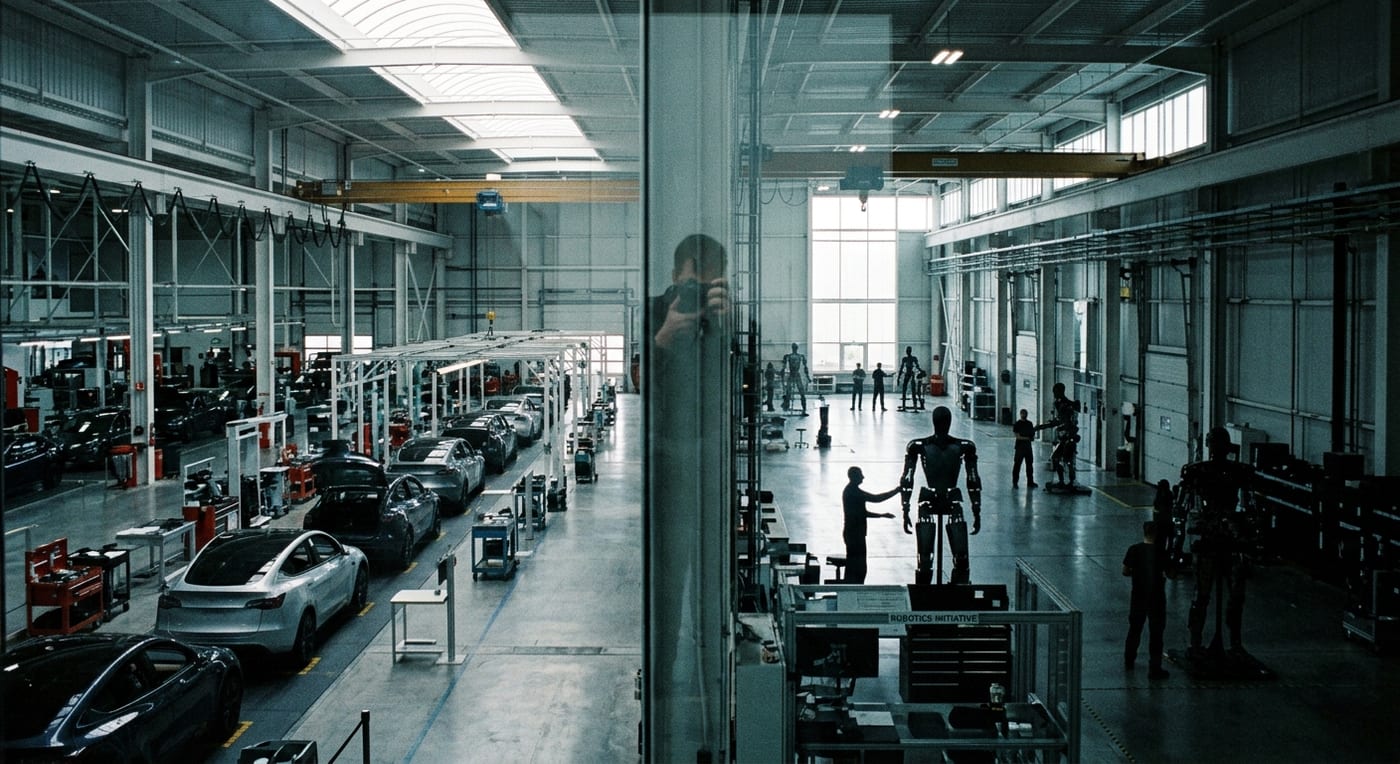
The strategic embrace of robotics via the Optimus project signifies a major shift in Tesla's business strategy, solidifying its trajectory toward becoming more than just an automotive manufacturer. The integration of humanoid robots is not merely an auxiliary project; it aims to leverage Tesla's advanced manufacturing capabilities and innovative culture to tap into a burgeoning robotics market. The focus would involve reallocating manufacturing resources from traditional EV production lines to the development of the Optimus humanoid robot, which Elon Musk envisions as a practical solution for enhancing efficiency across various sectors, including manufacturing and services.
Amidst this transformation, the growing competition, particularly in the SUV market, has pushed Tesla to unveil the long-wheelbase Model Y. Priced competitively at $61,990, this variant aims to cater to families and individuals needing more space. By enhancing its SUV offerings, Tesla can counter the aggressive moves taken by competitors, notably Rivian with its newly launched R2 model targeting the mass-market SUV segment. Rivian’s entry not only heightens competition but also places pressure on Tesla's existing market share, compelling the brand to boost its offerings and thereby maintain its leading position in the evolving EV marketplace.
The Investor Perspective
Investor sentiment surrounding Tesla has showcased notable fluctuations recently. Despite recording impressive vehicle delivery figures, the stock performance has been less than stellar, reflecting a market that is perhaps overly optimistic. Analysts point out that Tesla's stock, which trades at a lofty valuation, remains highly sensitive to even slight deviations in performance expectations. While vehicle sales point to a positive direction, heavy reliance on future robotics and autonomy narratives creates a sense of caution among investors. As a result, despite significant year-over-year increases, Tesla’s stock retraced after earnings reports, as the margins eroded from increasing operational costs.
The question posed by analysts and investors centers on whether Tesla can sustain its growth while maintaining profitability. This challenge is ongoing, especially as recent profit margins exhibit vulnerability amid intensified competition and rising input costs. The narrative driving Tesla's stock price hinges on ambitious future projects like Robotaxis and the Optimus program. With ongoing investments in these areas, Tesla is banking on these developments to redefine its revenue streams beyond conventional car sales, which make up the bulk of its current income.
Furthermore, the correlation between demand for vehicles and the pricing strategies deployed cannot be underestimated. A focus on lowering prices to drive sales volume, while effective in the short term, creates potential risks to Tesla's long-term financial health. Price adjustments have historically proven to hurt profit margins, leaving investors anxious about the company's ability to balance sales volume against profitability—a feat fundamental to sustaining its valuation.
The Robotics Revolution and Beyond
Tesla’s dedication to the Optimus project reflects its broader vision of automation infiltrating daily life. By leveraging existing technologies and expertise in manufacturing, the company aims to pioneer advancements that could ultimately reshape both the workforce and the home environment. With predicted advances in both autonomous driving and AI-driven robots, Musk’s future vision includes a substantial role for these technologies in enhancing operational efficiencies—an essential requirement for navigating the road ahead.
In tackling these emerging threats, Tesla's strategy reflects not only a keen awareness of market dynamics but also an ambition to maintain a competitive edge by embracing innovation amid economic headwinds. As the company expands its vehicle lineup and invests in next-generation robotics, it is simultaneously undertaking the pivotal task of ensure its traditional segments remain profitable. The need for effective cost management and strategic pricing, whilst broadening its technological horizon, formulates a complex yet crucial aspect of Tesla's journey forward.
Conclusion: Navigating Towards Tomorrow
As Tesla, Inc. continues to chart its course amid transformative changes in the automotive landscape, it must demonstrate agility in adapting to new challenges posed by competitive pressures and economic fluctuations. The dual strategy of enhancing vehicle offerings while simultaneously investing in robotics opens new avenues for growth, reinforcing the potential for long-term success. With every delivery and every advancement in its robot project, Tesla is not just reshaping its business model but is also redefining the future of transportation and automation. As the automotive and technological landscapes evolve, so too will the narratives surrounding TSLA. Investors will need to keenly monitor these developments, understanding that while the road ahead is filled with opportunities, it is also fraught with challenges that could impact profitability and performance in the years to come. The same pressure is reflected in recent reporting on the issue, which helps explain why the company's pricing decisions remain under scrutiny.