
Tether USDt USD Under Scrutiny in Thailand
ED
Editorial
Cashu Markets·4 min read
TL;DR
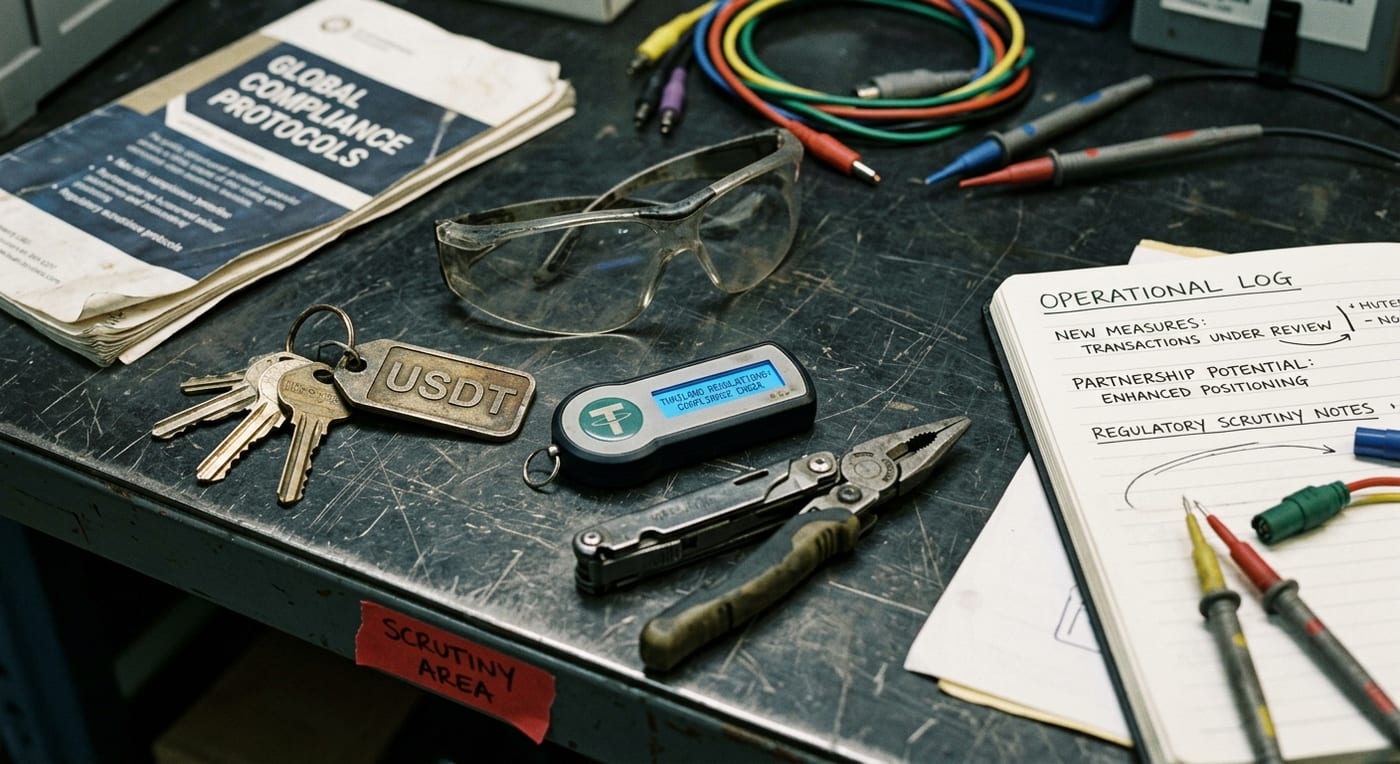
- Tether faces regulatory scrutiny in Thailand.
- New compliance measures impact USDT transactions.
- Strategic partnerships may enhance Tether's market position.
Tether USDt USD (USDTUSD) has become a focal point for regulatory scrutiny in Thailand as the Bank of Thailand (BOT) and the country’s Securities and Exchange Commission (SEC) intensify efforts to curb illicit financial activities associated with large stablecoin transactions. This article explores the implications of these heightened regulations on Tether’s market position, highlighting its role in the evolving landscape of digital assets and how it navigates the shifting regulatory frameworks across different regions.
Heightened Regulatory Framework
The BOT and SEC are implementing more stringent checks on sizeable cash deposits and high-value USDT transactions, sparking a closer examination of the way these digital assets flow within the Thai economy. Under new proposals, individuals depositing amounts exceeding 5 million baht (approximately $150,000) will have to provide proof of the funds' origins. This regulatory push aims to enhance financial transparency and combat the shadow economy, which has been a growing concern globally. The investigation into USDT's transactions is part of a broader initiative to scrutinize the usage of stablecoins, especially in contexts where they may facilitate concealed ownership or bypass traditional remittance systems.
The Link Between Tether and the Thai Market
In light of the upcoming regulations, Tether’s significant market influence in centralized finance (CeFi) lending—with a reported share of 68%—positions it uniquely to respond to these challenges. The increasing compliance scrutiny in Thailand aligns with wider regulatory trends seen in Europe, where Tether has also faced challenges related to compliance and market acceptance. Notably, the MiCA (Markets in Crypto-Assets) regulations recently led to the removal of USDT from several EU exchanges, impacting its liquidity and market access within Europe. Such international collaboration on regulation highlights the interconnected nature of the cryptocurrency market, where movements in one region can reverberate across borders.
Operational Adjustments and Strategic Partnerships
As Tether navigates through these regulatory waters, the company is exploring partnerships aimed at enhancing compliance and establishing a more solid foundation for its operations in various markets. The strategy reflects a proactive approach to adapting to regulatory changes while sustaining its market performance. This was evident in the company’s efforts to expand its services in the regulated Thai market amidst the new oversight measures. Tether’s focus on compliance could serve to improve its standing against competitors, especially as several other stablecoins begin to face similar scrutiny.
Implications for Investors and Market Outlook
Investors in Tether USDt USD must remain informed about the evolving regulatory landscape, particularly in significant markets such as Thailand. The regulatory pressures underscore the necessity for Tether to maintain transparency and adhere to compliance standards, which can potentially affect its price stability and transactional volume. The proactive nature of Tether in addressing these regulatory obstacles could reassure investors about its ability to navigate through challenging landscapes.
Facing Competitors in an Evolving Market
As Tether contends with the implications of the regulatory framework, the competitive arena for stablecoins is also evolving. With competitors like USDC and others aiming for a share of the market, Tether's ability to communicate its compliance journey effectively could set it apart. Ensuring that it not only meets current regulations but also anticipates future ones will be crucial for Tether’s continued dominance in the sector. The historical perspective of Tether’s regulatory navigation, particularly in light of MiCA requirements, suggests that being forward-thinking may enhance its market resilience.
Future Considerations for Tether
Looking ahead, the landscape for Tether USDt USD will certainly be shaped by ongoing regulatory developments both in Thailand and globally. The commitment to compliance may spur demand for USDT as firms seek stable assets in an increasingly regulated environment. Tether's anticipated adaptation strategies will likely dictate not only its competitive edge but also its sustainability in a rapidly shifting market.
In conclusion, Tether USDt USD finds itself at a critical juncture amid growing regulatory scrutiny in Thailand and elsewhere. Through strategic partnerships, operational adjustments, and a focus on compliance, Tether aims to maintain its significant share of the market while navigating the challenges posed by evolving regulations. Investors and market observers are keenly watching how these developments will impact Tether’s standing in the cryptocurrency ecosystem. The same pressure is reflected in recent reporting on the issue, which helps explain why the company's pricing decisions remain under scrutiny.