
The Southern Company's Energy Transition Strategy
ED
Editorial
Cashu Markets·5 min read
TL;DR
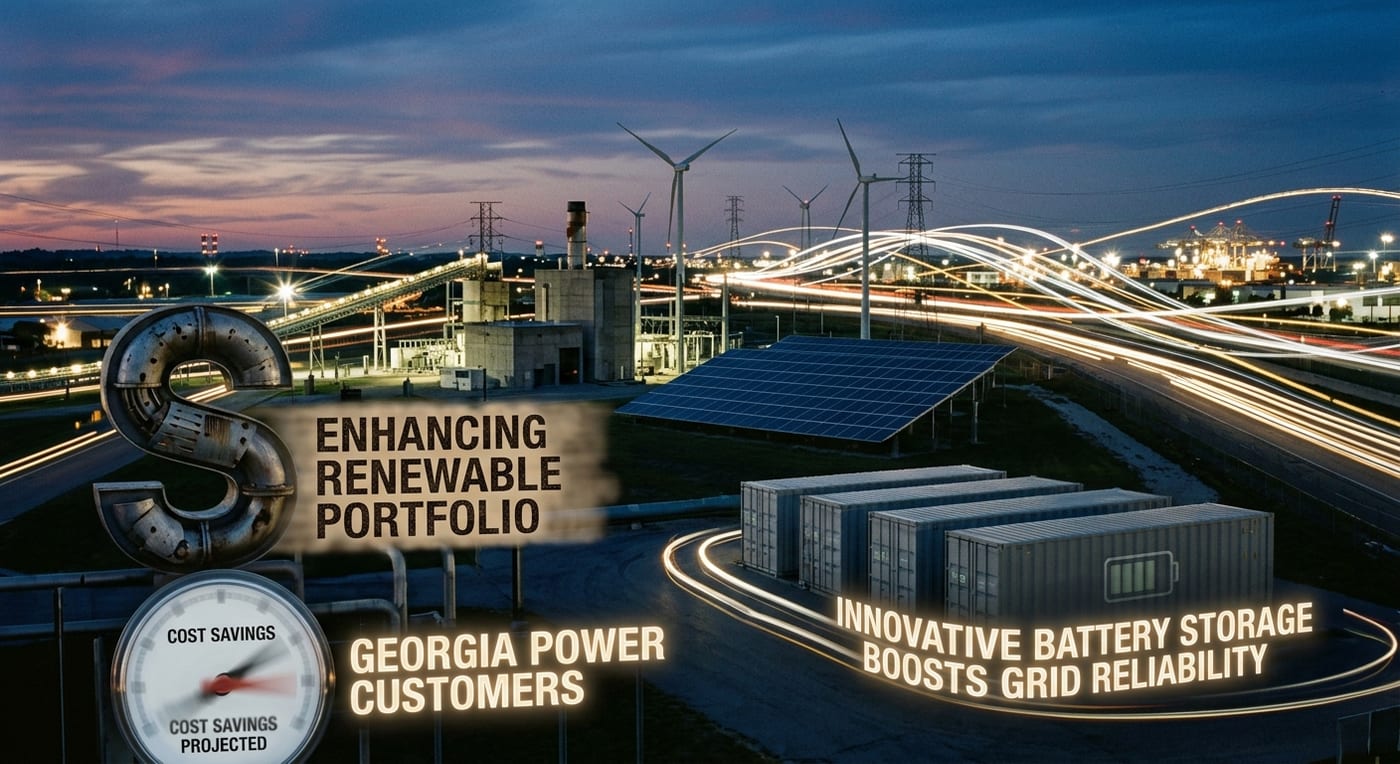
- The Southern Company enhances its renewable energy portfolio.
- Significant cost savings projected for Georgia Power customers.
- Innovative battery energy storage system boosts grid reliability.
The Southern Company ( SO) stands at the forefront of transformation in the energy sector, navigating a path marked by innovation, sustainability, and regulatory challenges. As a major utility provider in the southeastern United States, Southern Company is not only adapting to the shifting demands of its customer base but is also responding to increasing pressures from environmental regulations. This article delves into the company's strategic initiatives, recent projects, and how its approach to renewable energy is setting the stage for future growth and efficiency.
Embracing Renewable Energy
Recent years have seen Southern Company ramp up its investment in renewable energy, including solar and battery technologies. This acceleration is a direct response to a growing consumer demand for cleaner energy solutions and the evolving regulatory landscape. Southern Company's commitment to sustainability is evidenced by its substantial solar installations across its subsidiary, Georgia Power. By integrating renewable resources, the company is positioning itself as a leader in the southeastern energy market. The earlier discussions surrounding The Southern Company's Renewable Energy Revolution
highlight how efficiently it navigates this new energy paradigm. Georgia Power's successful rollout of over 110 megawatts of new solar capacity underscores this commitment, aligning with historic expansions
to meet rising energy demands amid growth. These expansions aim not only to fulfill current energy needs but also to address future demands effectively.
Innovations in Energy Storage
One of the standout projects in Southern Company's renewable portfolio is the introduction of a 260 megawatt (MW) battery energy storage system by Georgia Power. This initiative, highlighted in a recent announcement about enhancing grid reliability, integrates seamlessly with existing solar power capabilities. Designed to support grid operations during peak demand periods, such investments are vital as energy consumption patterns become more complex, particularly during extreme weather conditions.
The launch of this battery storage system illustrates Georgia Power's forward-thinking approach to energy reliability and resource management. The project not only aims to balance supply and demand but also signifies a vital step in transitioning to a more resilient energy infrastructure. This aligns with the strategic initiatives aimed at addressing resource integration and the overall customer experience, something thoroughly explored in previous articles related to The Southern Company's forthright steps towards innovative energy solutions.
Cost Reductions for Consumers
Moreover, financial projections indicate that such innovations will not only promote sustainability but also lead to significant cost savings for Southern Company's customer base. Recent agreements estimate approximately $285 million annually in savings for Georgia Power's residential customers, achieved through mechanisms like extended recovery periods and tax credits. These changes mean that consumers will benefit from lower utility bills, with expected savings of about $4.04 monthly, translating to nearly $50 savings annually. The ongoing efforts to maintain affordable rates are especially crucial amid a backdrop of fluctuating energy prices and increasing operational costs. Continuous negotiations and partnerships demonstrate Southern Company's long-term focus on financial health for its customers, thereby enhancing customer satisfaction and trust.
Infrastructure and Economic Growth
Moreover, Southern Company's expansive infrastructure improvements are aligned with larger economic growth strategies for its service area. By investing in modernizing its grid, Southern Company not only enhances reliability but also creates jobs and stimulates economic growth within the communities it serves. The utilities involved, such as Georgia Power, are pioneering efforts to drive local job creation through energy projects, ensuring that the growth associated with infrastructure improvements remains sustainable and impactful.
The company's strategy involves maintaining a dual focus on enhancing service reliability while expanding renewable generation capacity. This calculated approach supports their operational goals and prepares Southern Company to thrive amid competitive pressures in the utility sector.
Investor Outlook
As a publicly listed company, Southern Company continues to attract investor interest due to its diversified approach to energy production and distribution. With significant investments into renewables, a clearer alignment with regulatory trends focusing on sustainability, and a commitment to innovation through technology, the company is well-positioned to deliver value to shareholders.
The focus on renewable energy integration and technological advancements reflects not only a proactive stance towards market demands but also a strategic foresight to navigate regulatory complexities. For investors, ensuring that the company adapts to these evolving dynamics is crucial for assessing long-term potential.
Conclusion
In conclusion, The Southern Company ( SO) is navigating a pivotal transition in the energy sector, characterized by increased renewable initiatives, strategic cost-saving measures for customers, and transformative technology adoption. The path towards sustainability is not merely a response to regulatory demands but a well-crafted strategy to secure the company's future. As Southern Company embarks on its ambitious journey, stakeholders, customers, and investors alike will be watching closely to see how these initiatives unfold in a rapidly evolving energy landscape. The same pressure is reflected in recent reporting on the issue, which helps explain why the company's pricing decisions remain under scrutiny.