
The Strategic Growth of XRP USD
ED
Editorial
Cashu Markets·5 min read
TL;DR
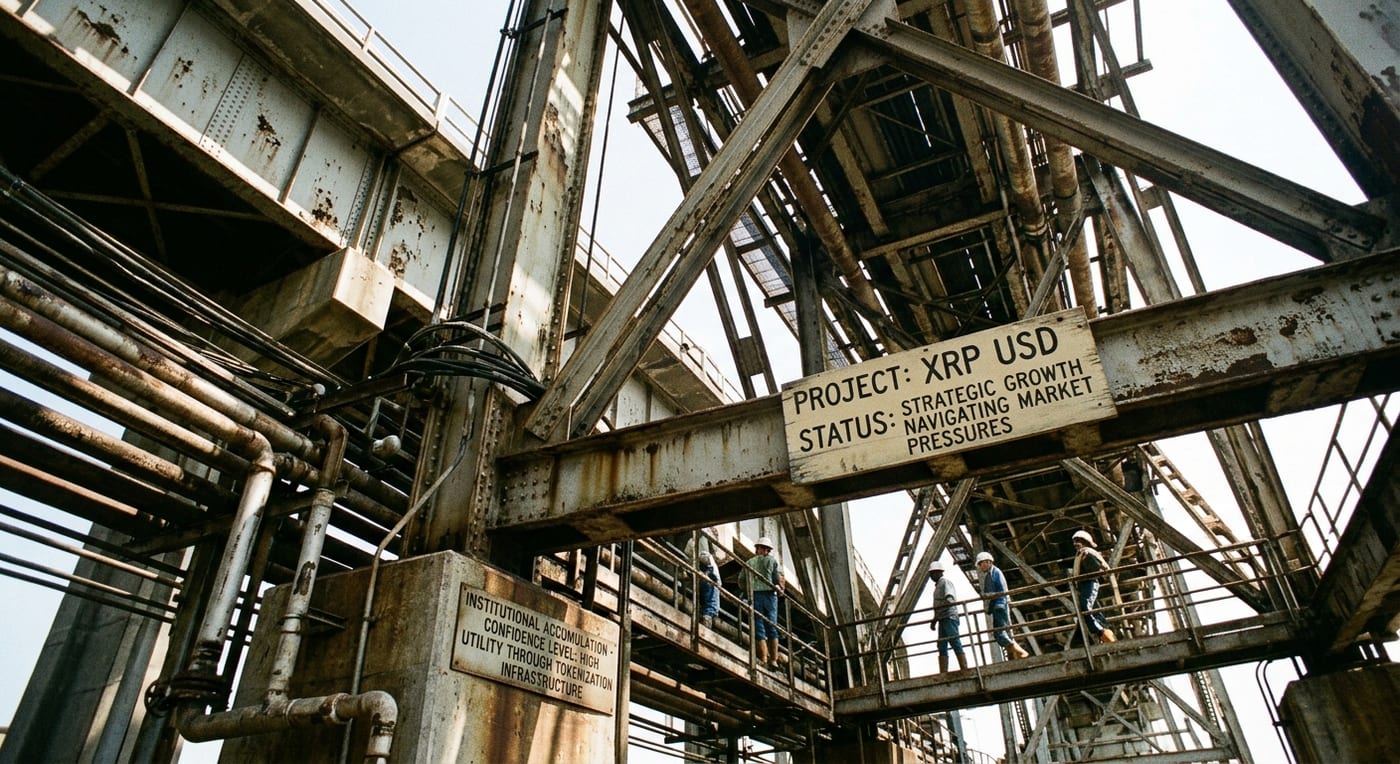
- XRP USD navigates through regulatory scrutiny and market pressures.
- Significant institutional accumulation highlights growing confidence.
- Ripple's investments in tokenization infrastructure enhance XRP's utility.
XRP USD (XRPUSD) has been navigating a challenging but promising landscape in the cryptocurrency market, defined by regulatory scrutiny, institutional interest, and innovative infrastructure developments. Recent strategic moves by Ripple, the company behind XRP, are aimed at enhancing the utility of the XRP Ledger (XRPL) and fostering an environment conducive to institutional adoption.
Regulatory Landscape and Institutional Demand
As XRP continues to navigate the complexities of regulatory environments, recent discussions have centered around the impact of legislative actions on its market performance. Specifically, the shelving of the CLARITY Act by the U.S. Senate has raised apprehensions among investors regarding the future regulatory landscape for XRP. The Act was seen as a potential mechanism to provide much-needed regulatory clarity to cryptocurrencies, which is crucial for their wider adoption and stability.
Investor sentiment has shifted as institutional investors, referred to as 'whales', have significantly increased their holdings of XRP. This substantial accumulation is indicative of growing confidence among major investors in the potential of XRP to serve as a critical component of the future digital economy. In fact, recent reports indicate that these investors have added over 70 million tokens to their wallets, underscoring a burgeoning institutional interest that may propel XRP's price and market presence.
Reflecting this sentiment, earlier analyses have noted the pivotal role that regulatory clarity and institutional adoption play in shaping XRP's future, as highlighted in the previous article: XRP USD: Navigating Through Market Turbulence. The article underscores how the interplay of regulatory developments and institutional demand influences XRP's value proposition and market strategies.
Infrastructure Development and Tokenization
In addition to these market dynamics, Ripple's recent strategic investments in fintech companies Zilo and Licuido on August 3 have extended the institutional capital markets infrastructure of the XRP Ledger. These investments aim to address persistent issues in capital markets, including inadequate liquidity, slow settlement processes, and compliance challenges associated with traditional finance.
Zilo specializes in providing regulated transfer agency and fund administration technology that is crucial for managing tokenized fund share classes and maintaining compliant investor records. Licuido, on the other hand, enhances the XRPL’s capabilities in issuing, trading, and collaterizing tokenized assets, which aligns with Ripple's vision of transforming XRPL into a comprehensive capital markets ecosystem.
The motivation behind these investments is clear: Ripple seeks to facilitate the increased tokenization of financial assets. Senior Vice President of Trading and Markets at Ripple, Nigel Khakoo, noted, “Tokenization of assets is only the starting point: the real value lies in what can be done with a token, including buying, selling, and settling trades instantly, or using it as collateral to borrow, lend, or post margin.” This strategic pivot not only enhances XRP's operational utility but also positions it favorantly in the evolving landscape of digital finance.
The broader implications of these investments in Zilo and Licuido signal a step forward in resolving key issues related to tokenized asset management, a crucial aspect for institutions looking to leverage digital currencies in their operations. By integrating these services into the XRP Ledger, Ripple is effectively enhancing the XRPL’s liquidity and accessibility for institutional players.
Market Positioning and Competitive Edge
The developments surrounding XRP come at a time when financial institutions globally are exploring blockchain technologies and the associated efficiencies they offer. Ripple's partnerships with firms like Aviva Investors and Franklin Templeton demonstrate XRP's growing appeal among traditional finance entities. Aviva's recent tokenization of its U.S. Dollar Liquidity Fund on XRPL showcases practical applications of Ripple's initiatives to promote the utility of XRP in real-world investment contexts. Source.
Moreover, with the XRPL supporting significant transaction volumes and maintaining over seven million active wallets, the robust infrastructure that Ripple has pioneered underpins potential growth trajectories for XRP in rapidly shifting market environments. As various financial products transition onto the XRPL, it will not only augment XRP's relevance but also solidify its standing as a preferred digital asset for seamless cross-border transactions.
The Road Ahead for XRP USD
As the cryptocurrency landscape continues to evolve, XRP remains at a critical juncture fueled by the dual forces of institutional interest and infrastructural advancements. The anticipated release of features in the XRPL, such as those focusing on privacy and settlement efficiencies, could enhance XRP's competitive position. Therefore, as Ripple builds out its institutional infrastructure and integrates more financial products into the XRPL, it is poised to capture a significant share of the burgeoning digital asset market.
The interplay between legislative support, market dynamics, and Ripple's strategic partnerships will ultimately dictate XRP’s path. The convergence of these factors paints a complex but optimistic picture for XRP USD. Investors and market observers will be keenly watching how these developments unfold in the coming months, particularly as Ripple advances its plans for tokenized assets and continues to engage with institutional partners thereby unveiling new use cases that further solidify the role of XRP in the financial ecosystem. The same pressure is reflected in recent reporting on the issue, which helps explain why the company's pricing decisions remain under scrutiny.