
Uber's Bold Future in Transportation
ED
Editorial
Cashu Markets·4 min read
TL;DR
- Uber's investments in autonomous technology are paving the way for future growth.
- Financial performance shows strong growth but missed some analyst expectations.
- Strategic partnerships are central to Uber's innovation and market competitiveness.
Uber Technologies, Inc. (UBER) is drawing attention as the latest developments come into focus. Uber Technologies, Inc. (UBER) is charting a bold course towards future growth and innovation, particularly in the realm of autonomous technology and AI integration.
Financial Performance: Growth Amidst Challenges
In its recent earnings report, Uber announced earnings of 81 cents per share on revenues of $14.19 billion, marking a solid 12% increase year-over-year. However, these results fell slightly short of analysts' expectations, who had predicted revenues of $14.24 billion. This underperformance highlights the complexities of the current market and operational environment within which Uber is navigating.
Strategic Investments in Autonomous Technology
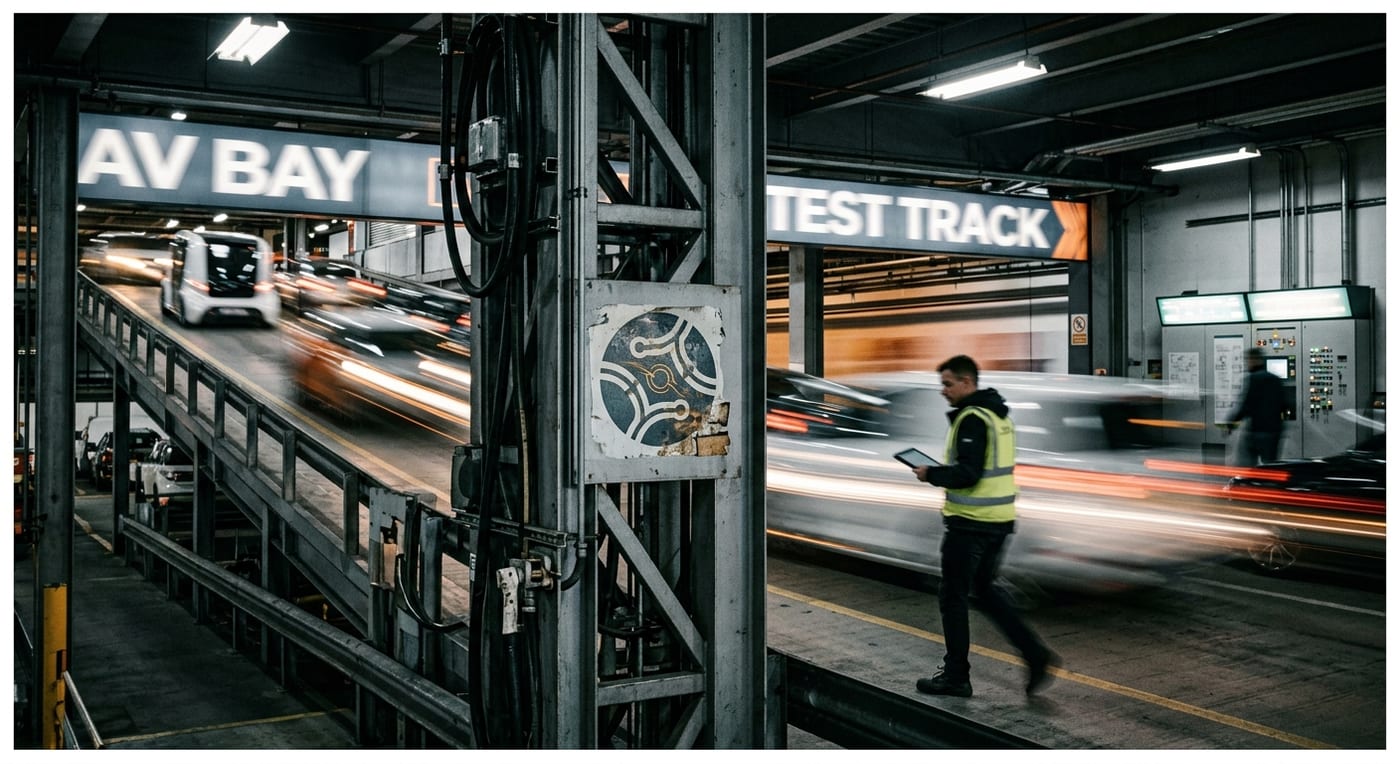
A cornerstone of Uber's strategy has been its massive investment into autonomous vehicles, positioning it as a frontrunner in a transformative space. Uber’s chief operating officer, Andrew Macdonald, noted that autonomous vehicles represent the largest single area of investment for the company, with estimates suggesting that over $10 billion has been allocated to various partnerships and technology initiatives in this sector. This aligns closely with previous reports discussing Uber's journey toward autonomous transformation, emphasizing how its revenue growth reflects these strategic investments while navigating regulatory challenges.
Besides fulfilling Uber’s operational needs, self-driving technology is expected to significantly alter the cost structure of its services over time. These investments not only aim at enhancing the competitive edge against traditional and emerging players but also at fostering sustainable margins through reduced operational costs.
Uber’s move to establish partnerships with key players in the autonomous sector, including Alphabet's Waymo, illustrates its commitment to this vision. As partnerships unfold, Uber anticipates integrating these advanced technologies into its delivery and ride-hailing services, driving efficiency gains that could ultimately benefit consumers and shareholders alike.
AI Integration: The Promise and the Challenge
Macdonald also emphasized the role of artificial intelligence in shaping the future of Uber’s workforce. His remarks during an interview highlighted a fundamental transformation potentially leading to a leaner organizational structure. While he expressed reservations about directly claiming significant job reductions, he acknowledged that AI could augment operational roles significantly.
Investments in AI are expected to streamline functions such as customer support and analytics, improving job efficiency while redefining job descriptions. The transition to a more AI-driven framework aligns with Uber’s broader objectives in pursuing operational excellence. However, this transformation presents challenges, particularly regarding how to quantify the return on investment from AI applications. Macdonald remarked on the difficulties of measuring AI's impact on workforce requirements, underscoring the complexity of redefining labor dynamics within a tech-driven enterprise like Uber.
Market Positioning and Future Outlook
The ride-hailing giant anticipates facing intensified competition from emerging technologies and traditional competitors. To mitigate this, Uber is exploring not only autonomous vehicles but also innovative delivery solutions. A notable partnership with Zipline aims at introducing drone deliveries to enhance Uber Eats' customer experience. Such ventures highlight an important trend where Uber seeks to stay ahead of the curve by diversifying its service offerings and leveraging technology to create new market possibilities.
Furthermore, a recent report noted that Uber's efforts to incorporate drone delivery services could culminate in the ambition of achieving one million daily drone deliveries by 2029. This strategic move could not only reshape urban logistics but also potentially provide an additional revenue stream, enhancing overall profitability over the long term.
Navigating Operational Complexity
Uber's operational complexity requires a balanced approach in managing existing businesses while simultaneously exploring new ventures. Macdonald explained the 'innovator's dilemma' concerning Uber’s size and scale, where established operations can often consume most resources and attention.
Therefore, Uber’s initiative to incubate new ideas through its 'Growth Bets' program is essential in nurturing entrepreneurship within the company, providing a pathway for innovation without diluting resources from its core business. As Uber continues to forge ahead on its ambitious plans, this strategy not only keeps it adaptable in a fluctuating market but also cushions the potential risks associated with being a large operator in the tech space.
Conclusion: Shaping Tomorrow
Uber Technologies, Inc. is at a pivotal point in its evolution, deeply invested in autonomous technologies and AI to redefine urban mobility. The recent financial performance, though slightly below expectations, signals robust growth and strategic direction. As Uber navigates the complexities of market competition and technological advancements, its commitment to innovation and adaptability will likely determine its robust positioning as a leader in the transportation sector for years to come. The same pressure is reflected in recent reporting on the issue, which helps explain why the company's pricing decisions remain under scrutiny.