
Union Pacific Challenges BNSF's Switching Rate Cancellation Impacting Grain Shipping Costs
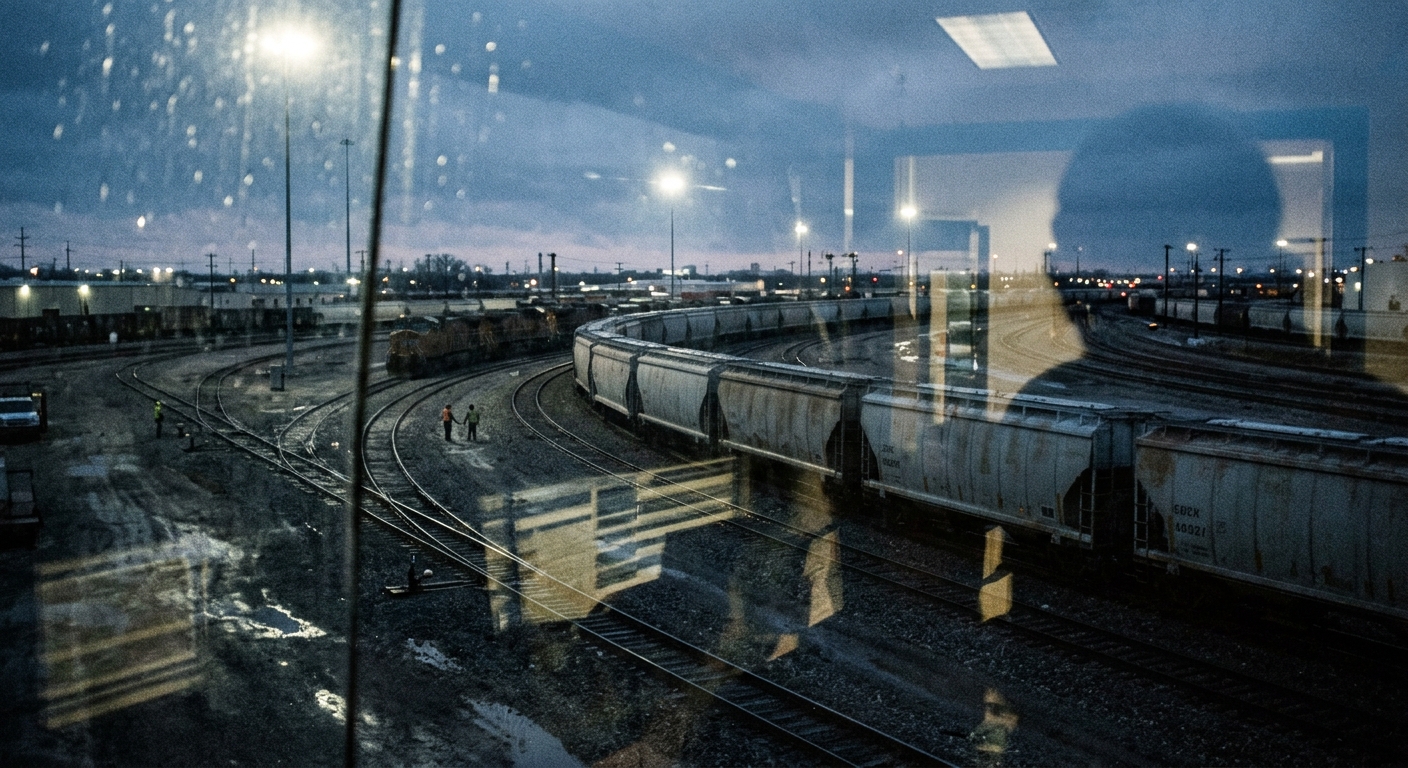
- Union Pacific filed a complaint about BNSF Railway's cancellation of reciprocal switching rates affecting grain shipping costs.
- The complaint addresses important issues in railway switching practices and related charges.
- This action may impact regulatory standards and competition in the freight industry.
Union Pacific (UNP) has recently lodged a complaint with federal regulators regarding BNSF Railway’s cancellation of reciprocal switching rates, raising costs for numerous grain shipping customers. This situation highlights a critical issue in the railway industry concerning switching practices and the associated charges. Union Pacific's action is significant not only for its immediate effects on pricing but also for the broader implications it may have on regulatory standards and competitive practices within the freight sector.
Regulatory Complaint Highlights Industry Challenges
The complaint signifies a growing concern around how freight switching is managed across railroads, especially impacting grain shipment operations. Companies affected by increased costs may find their margins squeezed, prompting a potential backlash against practices deemed anti-competitive. The situation presents a conundrum for shippers who rely heavily on rail transport for efficiency and cost-effectiveness.
As the dispute unfolds, market observers are keeping a close eye on its trajectory, given that any regulatory changes could have lasting repercussions not only for Union Pacific but for the entire freight rail network. The decision made by regulators could redefine transportation costs and practices, leading to possible shifts in how railroads approach reciprocal switching.
Industry Implications and Future Considerations
The outcome of Union Pacific’s complaint could alter regulatory perspectives on reciprocal switching, potentially reshaping the competitive landscape of freight shipping. If upheld, it may ensure more fair operational practices among competing railroads, promoting a healthier marketplace.
Conclusion
Union Pacific's current actions can be seen as a pivotal moment for the railway industry, emphasizing the need to address switching practices and their economic impact on shippers. As developments occur, all eyes within the industry will be on the implications of the ongoing complaint.
Related Cashu News

Allegiant Travel Restructures Balance Sheet with $650 Million Senior Secured Notes Issuance
Allegiant Travel (Ticker: ALGT) undertakes a crucial restructuring of its balance sheet by issuing $650 million in Senior Secured Notes, maturing in 2031. This strategic move enables the company to pa…

C.H. Robinson Launches BidBoardX to Revolutionize Digital Freight Logistics
C.H. Robinson Worldwide (Ticker: CHRW) has recently made headlines with the launch of its innovative digital freight marketplace, BidBoardX. Introducing BidBoardX: A New Era in Freight Logistics BidBo…

FedEx Faces EEOC Lawsuit Over Alleged Discrimination Against Blind Employees in North Carolina
FedEx Corporation (Ticker: FDX) faces a significant legal challenge as the U.S. Equal Employment Opportunity Commission (EEOC) files a federal lawsuit against the company. The lawsuit alleges that Fed…

Union Pacific Launches Commemorative Locomotive in Partnership with NASA's Artemis III Program
Union Pacific (Ticker: UNP) has unveiled a new commemorative locomotive that honors a former U.S. President, marking a significant addition to its fleet. This initiative comes as the company partners…