
UTI Expands HVACR Program to Address Technician Shortage in Growing Job Market
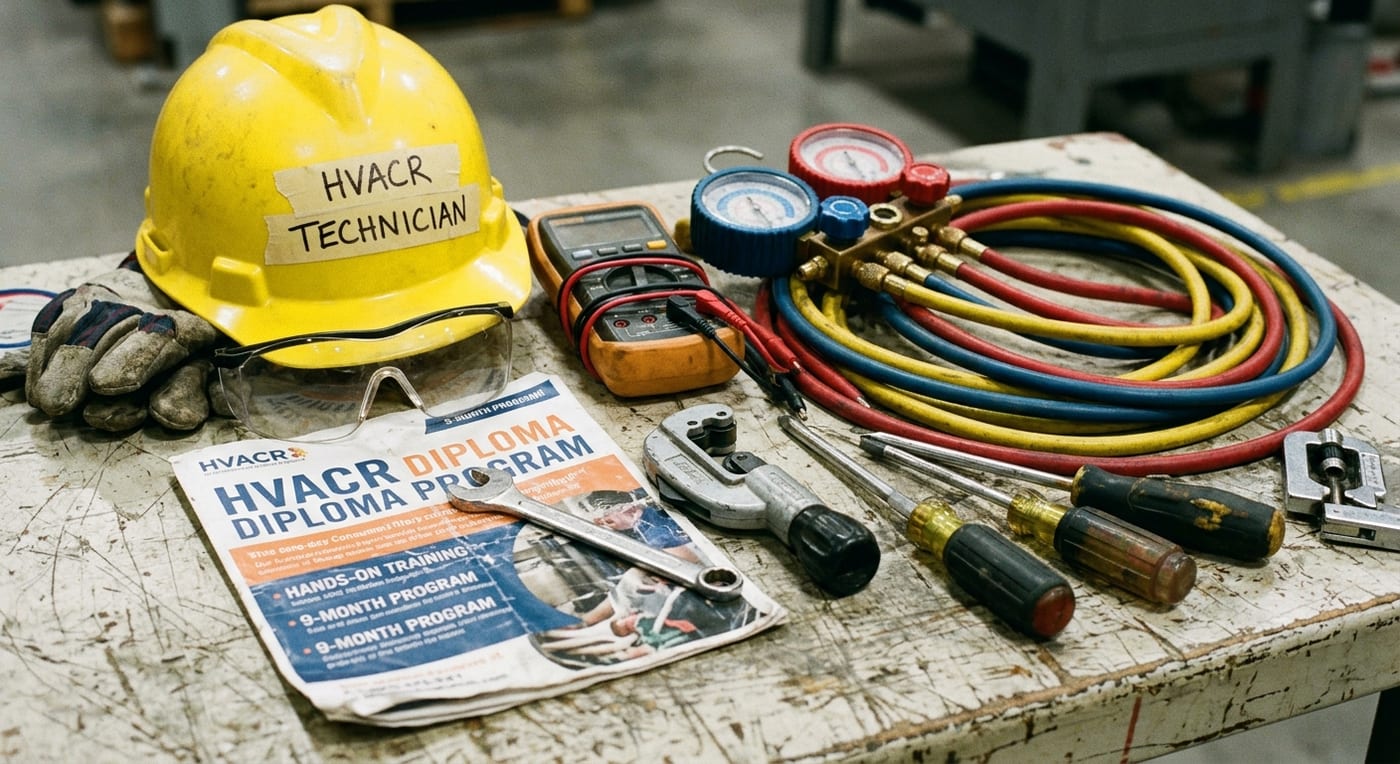
- Universal Technical Institute expands HVACR program in Lisle to address technician shortage in the industry.
- The nine-month diploma program focuses on hands-on training for entry-level HVACR positions.
- UTI's strategic initiatives aim to equip students with industry-relevant skills to meet labor demands.
Universal Technical Institute (UTI) expands its HVACR program to meet the surging demand for skilled technicians in the heating, ventilation, air conditioning, and refrigeration sectors. The new offering at the Lisle, Illinois campus is a key part of UTI's broader strategy to address the ongoing technician shortage affecting employers across the United States. The nine-month diploma program emphasizes hands-on training, providing students with vital skills required for entry-level positions in both residential and light commercial settings. This strategic expansion reaffirms UTI's commitment to workforce development in an industry facing significant skill gaps.
A Focused Response to HVACR Workforce Needs
The HVACR diploma program not only prepares students for the challenges of modern heating and cooling systems but also fosters their career advancement in the face of a growing technician shortage. According to UTI Division President Tracy Lorenz, this initiative reflects the urgent need for properly trained technicians who can effectively troubleshoot, service, and install essential climate control systems. UTI currently offers the HVACR program at campuses in several states, including California and Texas, and plans to include its upcoming Atlanta campus in 2026 to further enhance accessibility for aspiring technicians.
Addressing America's Labor Shortages
An increasing number of job opportunities in the HVACR field underscores UTI's strategic decision to expand its offerings. The school is dedicated to equip students with crucial industry-relevant skills that align with its North Star Strategy, which aims to tackle America's labor shortages head-on. Established in 1965, UTI stands as a robust leader in workforce training, with a commitment to providing practical education to meet the dynamic needs of various industries, reinforcing its role as a pivotal player in the vocational education landscape, while supporting sectors that demand more skilled labor.
Conclusion
In conclusion, UTI's expansion of the HVACR program at its Lisle campus is a proactive approach to filling the widening skills gap in the HVACR industry. By offering targeted training and enhancing the workforce pipeline, UTI solidifies its position as a leader in vocational education and underscores the importance of specialized training in today’s job market.
Related Cashu News

Boyd Gaming Expands Board with Seasoned Executives to Strengthen Leadership and Strategy
Boyd Gaming (Ticker: BYD) reinforces its leadership structure and commitment to excellence in the gaming and entertainment industry with the recent expansion of its Board of Directors. The company ann…

Wingstop Launches Sweet Heat Chamoy Flavor and Chamoy Ranch Dip for Summer Menu
Wingstop (Ticker: WING) embraces innovative flavors to attract customers this summer with the introduction of its Sweet Heat Chamoy offering, which highlights a fusion of taste sensations. The limited…

Trip.com Group Reports Strong Q1 Results Amid Travel Recovery and Revenue Growth Strategies
Trip.com Group Limited (Ticker: TCOM) announces notable first-quarter results, highlighting a robust recovery in the travel industry. Despite facing projecting challenges, the company showcases optimi…

Royal Caribbean Group Opens Largest Cruise Terminal in Alaska to Boost Local Economy and Tourism
In a significant advancement for the cruise industry, Royal Caribbean Group (Ticker: RCL) inaugurates the Dale R. and Carol Ann Lindsey Alaska Railroad Terminal, marking a cornerstone for cruise opera…