
Westlake Corporation Faces Job Cuts and Facility Closures Amidst Restructuring Efforts
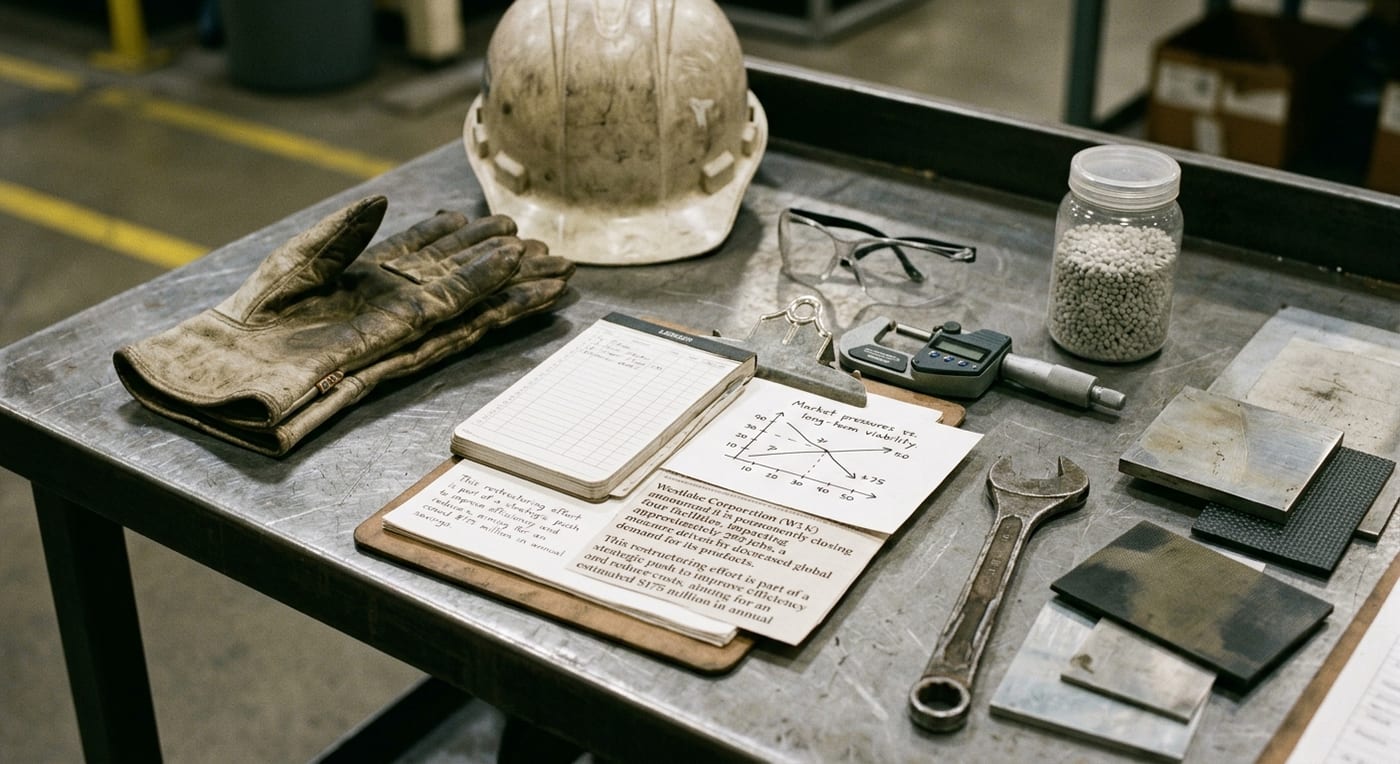
- Westlake Corporation is permanently closing four facilities, affecting about 295 jobs due to decreased global demand.
- The closures are part of a restructuring strategy aimed at improving efficiency and potentially saving $175 million annually.
- Mixed investor reactions highlight concern over short-term challenges versus optimism for Westlake's long-term operational viability.
Westlake Corporation (WLK) faces significant operational hurdles as it permanently closes four of its facilities, a move that will affect approximately 295 jobs. This decision is driven by a lack of demand in the global industrial sector, which has led to decreased operating rates and increased unplanned maintenance costs. The closures are part of a larger restructuring strategy that aims to streamline operations and improve overall efficiency amidst these challenging market conditions. While the immediate fallout includes job losses and operational disruptions, the long-term outlook hinges on successful execution of the restructuring plan, which analysts estimate could result in annual savings of about $175 million.
Mixed Reactions from Investors
The reaction from the investment community has been mixed. Antipodes Partners has decided to divest its position in Westlake, illustrating a lack of confidence in the company's near-term recovery prospects. Conversely, some analysts are providing renewed focus on Westlake's long-term fundamentals, suggesting that the restructuring is a necessary step for future viability. However, there is an undercurrent of concern regarding the execution risks tied to the company's strategic overhaul.
A Broader Industry Challenge
Westlake's situation is emblematic of broader trends facing companies in the industrial sector, where demand fluctuations and high operational costs are increasingly prevalent. As the company endeavors to optimize its structure, the short-term implications of these decisions loom large, raising important questions about where the firm will stand amidst recovering market conditions.
Related Cashu News

Quaker Houghton Expands Operations in China to Boost Manufacturing and Market Presence
Quaker Houghton (Ticker: KWR) is advancing its operational footprint with the opening of a new manufacturing facility in Zhangjiagang, China, alongside the expansion of its laboratory in Shanghai. The…

FMC Corporation Partners with Tessenderlo Group to Enhance Market Position and Innovation
FMC Corporation (Ticker: FMC) announces a significant strategic maneuver as it makes strides in enhancing its market positioning through a prominent investment from Tessenderlo Group. This partnership…

International Paper Restructures Operations, Closes Four Plants for Enhanced Efficiency and Sustainability
International Paper Company (Ticker: IP) actively reshapes its operational strategy to enhance efficiency and sustainability within its North American network. The company announces significant change…

Air Products Shifts Focus to Renewable Ammonia Post Project Cancellations and Financial Setbacks
Air Products & Chemicals (Ticker: APD) pivots towards renewable ammonia amidst project cancellations. Air Products Scraps Louisiana Clean Energy Complex The company announces it will not continue with…