
W&T Offshore: Navigating Oil Market Challenges
ED
Editorial
Cashu Markets·5 min read
TL;DR
- W&T Offshore faces challenges from rising oil prices.
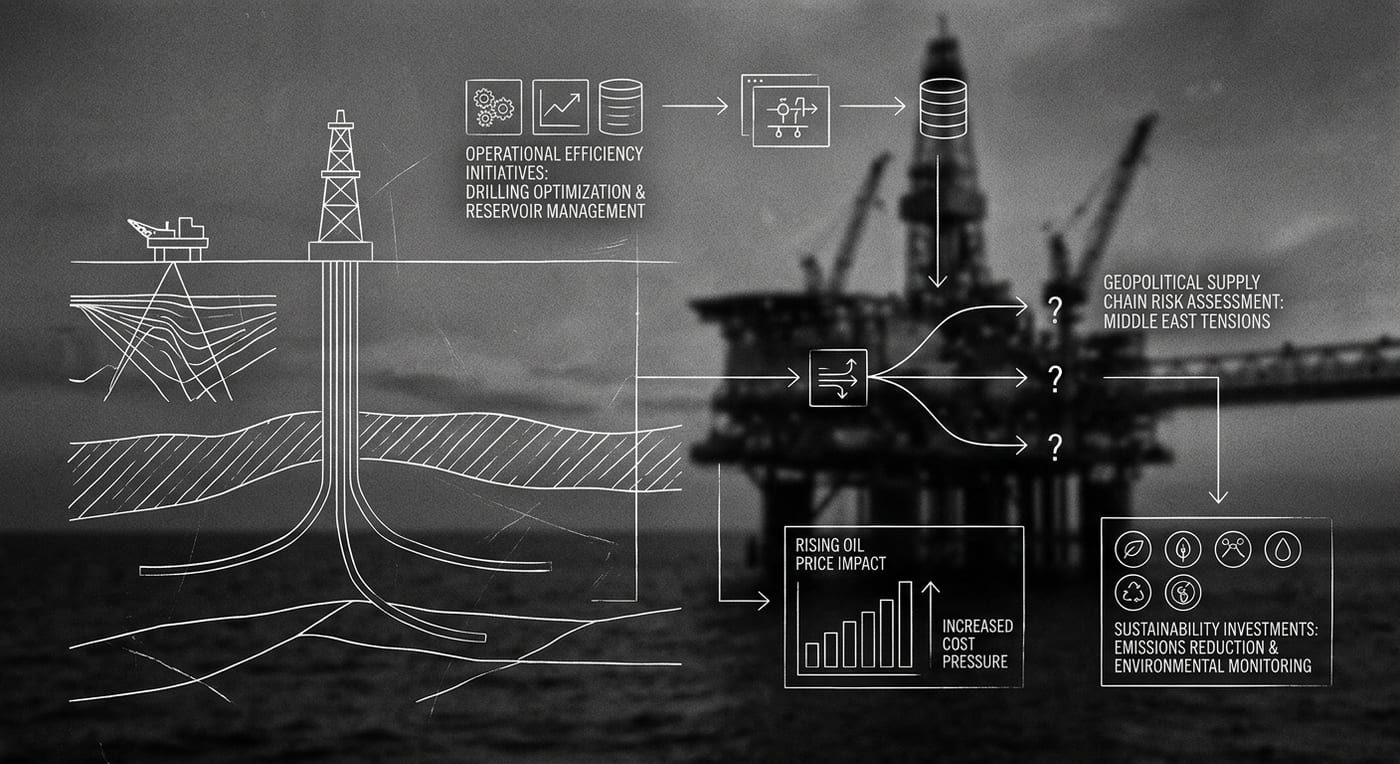
- The company invests heavily in operational efficiency and sustainability.
- Geopolitical tensions in the Middle East impact supply chains and forecasts.
W&T Offshore, Inc. ( WTI) is currently navigating a turbulent landscape shaped by fluctuating oil prices, geopolitical tensions, and increasing operational costs. The dynamics within the oil market, especially as prices hover around the crucial threshold of $90 per barrel, significantly affect W&T's operational and financial strategies. This article delves into the current state of W&T Offshore and how it is adapting to these market conditions, focusing on their revenue strategies, operational efficiencies, and long-term sustainability initiatives.
The Current Oil Market Landscape
The recent surge in oil prices signifies a pivotal moment for W&T Offshore. With crude prices consistently hitting and exceeding the $90 mark, the company stands to gain from potential revenue increases, but this also presents formidable challenges. The escalating costs associated with procurement, labor, and equipment necessitate a careful strategic approach to preserving profit margins amidst rising operating expenses. Whether or not W&T can navigate these challenges depends heavily on its operational adaptability and the strategic decisions it makes moving forward. That backdrop echoes earlier coverage of the issue, especially around how pricing, strategy, and demand feed into the current story.
Market analysts have noted that firms like W&T Offshore must strike a delicate balance between seizing lucrative opportunities during periods of high prices while managing their cost structures to mitigate losses. The interplay of rising demand and fluctuating supply remains essential; thus, W&T's focus on operational efficiency is more critical than ever.
Current Oil Price Dynamics
As of late, the volatility surrounding oil prices has been pronounced. With benchmark WTI crude trading above $90, experts indicate a bullish sentiment due to the risks associated with global tensions, particularly in the Middle East. The situation in the Strait of Hormuz exemplifies the fragility of supply routes that directly impact operational efficacy for offshore producers like W&T. Although higher crude prices yield favorable economic conditions, they come hand-in-hand with increased operational expenditures.
The geopolitical scenarios, especially potential disruptions in the Strait of Hormuz, complicate W&T's forecasting accuracy. Geopolitical tensions, such as intermittent conflicts affecting shipping rights and crude flows, create risks that W&T must manage. According to previous reports, significant events can alter supply dynamics, leading to potential price spikes or drops, which directly impact W&T's operational forecasts.
Navigating Market Challenges
In response to these challenges, W&T Offshore has committed to enhancing operational efficiency and embracing technological advancements to facilitate sustainability. The company's ongoing initiatives to integrate sustainable practices into its operations are increasingly critical. By investing in technology that reduces environmental impacts and optimizes resources, W&T aims to not only comply with regulatory standards but also gain a competitive edge within the energy sector.
As highlighted in earlier analyses, companies in the oil industry must innovate continuously to remain viable. W&T's initiatives to utilize advanced technologies in drilling and resource extraction illustrate its strategic pivot towards sustainability. The implementation of these technologies not only aids in mitigating the impact of rising operational costs but also positions W&T favorably against competitors sluggish in adopting sustainable measures.
Market Adaptation and Strategic Innovations
The operational agility of W&T Offshore points to a robust response mechanism in facing fluctuating oil prices. The company's investment in upgrading equipment and optimizing resource management directly correlates with its ability to sustain profitability amidst uncertain market conditions. Further emphasizing this, past discussions of W&T's operational strategies revealed a commitment to reduce costs while maximizing output—a strategy that positions the company well in an era characterized by price fluctuations and economic uncertainty.
Additionally, the company’s strategic direction remains focused on enhancing its core strengths in the offshore sector while exploring new avenues for growth. The recent increases in WTI prices could reflect broader trends in demand but also highlight the pressing necessity for W&T to adapt its operational structure to respond effectively to the evolving landscape of the oil industry.
Future Outlook for W&T Offshore
Looking ahead, W&T Offshore's ability to maintain resilience amid ongoing market challenges will rely heavily on its adaptive strategies. While the current pricing environment offers revenue potential, the associated risks posed by operational cost increases and geopolitical uncertainties cannot be overlooked. The company must continue to evolve by capitalizing on market conditions while also fortifying its operational frameworks to weather potential downturns.
The pathway ahead will undoubtedly require innovative thinking and a commitment to sustainability strategies that align with evolving market norms. Investors should observe how W&T's strategic measures unfold in response to the fluctuating oil market and geopolitical risks, as these factors will be instrumental in determining the company’s long-term viability in the competitive energy sector.
In conclusion, W&T Offshore embodies a case study in navigating complexity within the oil market. By maintaining a clear focus on operational efficiency, sustainability, and strategic innovations, W&T positions itself to thrive even as market dynamics continue to shift. The interplay between rising oil prices and operational resilience will remain a focal point for stakeholders as W&T advances in the coming quarters. The same pressure is reflected in recent reporting on the issue, which helps explain why the company's pricing decisions remain under scrutiny.