
Yum China Holdings Plans Expansion to 20,000 Stores with Focus on Sustainable Growth
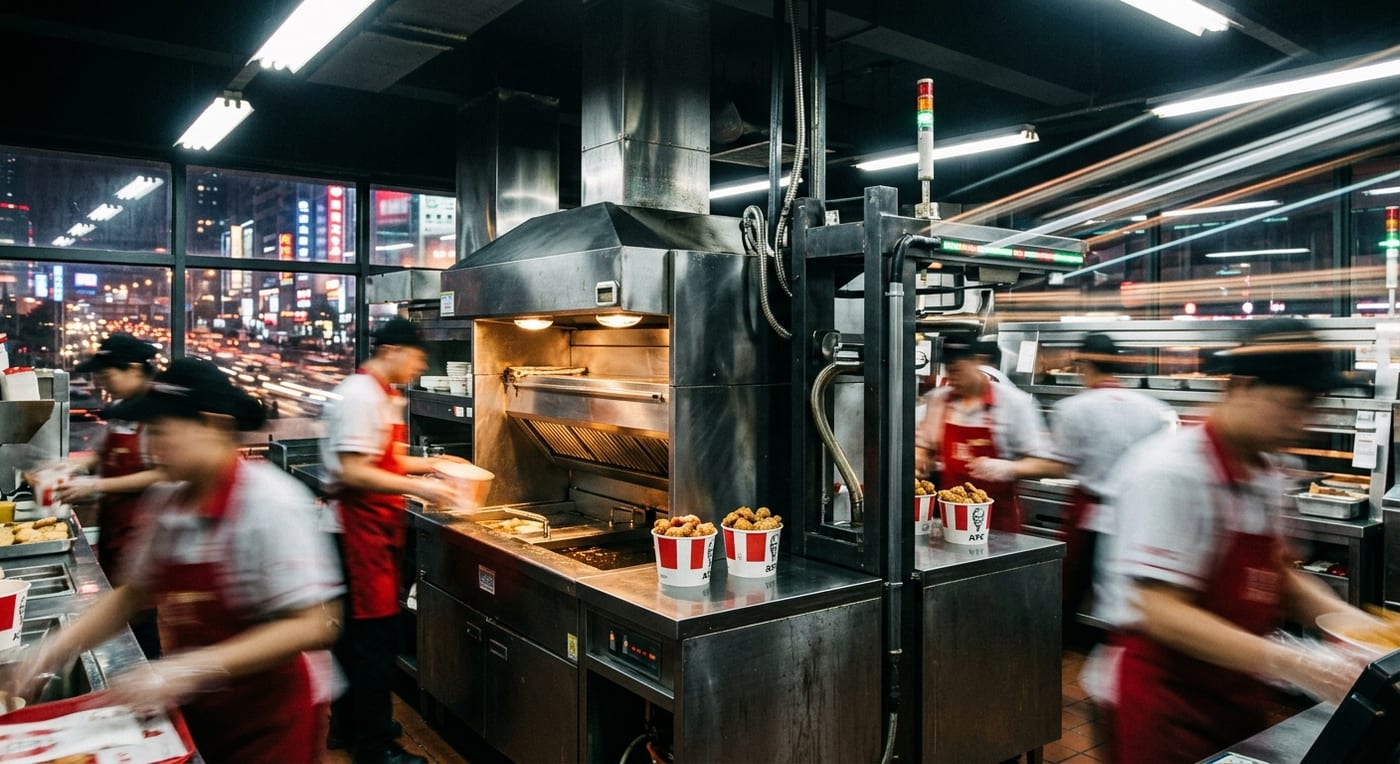
- Yum China Holdings plans to expand its store footprint to 20,000 in China.
- The company emphasizes sustainable growth despite facing economic challenges.
- Strategic growth ambitions are central to Yum China's future development.
Yum China Holdings (YUMC) provides significant updates regarding its strategic ambitions, particularly its plan to expand its footprint to 20,000 stores across China. This move reflects the company's commitment to capturing a larger market share in a rapidly evolving food and beverage sector. By emphasizing strong cash generation capabilities and improving unit economics, Yum China highlights its readiness to meet growing consumer demands while simultaneously enhancing operational efficiencies. The company appears well-positioned to leverage its extensive network and brand recognition to achieve these ambitious growth targets.
Balancing Growth with Responsibility
Yum China's management remains focused on delivering shareholder returns, underscoring the necessity for a balanced approach to growth. As the company aims to expand, it also prioritizes responsible capital management, which is particularly important against the backdrop of ongoing concerns regarding domestic consumption and sovereign risk in China. By ensuring financial health remains stable even during the proposed expansion, Yum China not only safeguards its investment appeal but also strengthens its operational resilience.
Adapting to Market Dynamics
In a competitive landscape where consumer preferences and market dynamics are constantly shifting, Yum China's commitment to sustainable growth offers valuable insights for industry peers. Many companies face similar challenges and uncertainties, making Yum's strategy a potential blueprint for navigating the complexities of the food and beverage market in China. As Yum China reinforces its investment narrative, the company's realignment towards sustainable practices may inspire others to adopt responsible growth strategies that balance profitability and market expansion.
Conclusion
Yum China Holdings' focus on expanding its store network to 20,000 locations, while ensuring financial stability and shareholder returns, positions it as a formidable player in China's fast-evolving food and beverage landscape. As the sector adapts to new realities, Yum China's approach illustrates a strategic pathway that others may consider.
Related Cashu News

BJ's Restaurant Launches Handcrafted Chicken Sandwiches to Boost Sales and Enhance Dining Experience
BJ's Restaurant (Ticker: BJRI) recently makes a notable move by launching a new lineup of handcrafted chicken sandwiches complemented by attractive meal deals. This strategic menu update aims to rejuv…

MGM Resorts Renews MLB Partnership to Enhance Sports Betting Brand Presence and Market Growth
MGM Resorts International (Ticker: MGM) capitalizes on the growing interest in sports betting by renewing its multi-year partnership with Major League Baseball (MLB). This strategic collaboration not…

Las Vegas Sands Enhances ESG Reputation with Recognition from Dow Jones Indices
Las Vegas Sands (Ticker: LVS) has made significant strides in enhancing its reputation and practices in the realm of Environmental, Social, and Governance (ESG). The company’s subsidiary, Sands China…

Darden Restaurants Navigates High Beef Prices While Adapting to Consumer Trends and Preferences
Darden Restaurants (Ticker: DRI) focuses on the evolving consumer trends in the beef market, particularly as it faces historically high beef prices due to a contraction in the U.S. cattle herd. The cu…